September 11, 2026 - Some films arrive quietly, and some arrive like a storm tearing through a small town's carefully maintained silence. Shaji Kailas's Varavu, which hit screens on July 16, belongs firmly to the latter category. Clocking in at 143 minutes, this Action-Thriller marks a return to the kind of combustible, dialogue-heavy filmmaking that once defined Malayalam cinema's angriest corners - and it finds its perfect vessel in Joju George, an actor who has spent the last decade building a reputation as the industry's most reliably volatile presence.
The premise is deceptively simple. A family in a small town finds itself crushed beneath the weight of the powerful elite who run things from behind polished doors and friendly handshakes. Decades of lies and corruption have calcified into something that looks, to the outside world, like order. Then one man returns. And that return - the varavu of the title - forces a confrontation that threatens to pull the whole rotten structure down.
Kailas has never been subtle about his interest in power and its abuses, and here he leans into material that feels both classical and urgently contemporary. The small town as a pressure cooker is a familiar Malayalam trope, but the film's promotional material suggests a director more interested in the mechanics of complicity than in simple hero-versus-villain theatrics. Who kept quiet? Who benefited? And what does it cost to finally speak?
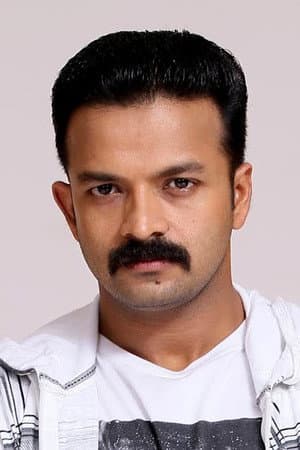
Joju George's 'Poly' Polachan sits at the center of this powder keg. The name alone - affectionate diminutive wrapped around a man who has apparently been away long enough for people to forget what he's capable of - suggests a character built on contradiction. George has a gift for playing men whose gentleness and violence share the same breath, and Polachan sounds like exactly that kind of role. Opposite him, Murali Gopy's Medayil Kochettan promises the sort of aristocratic menace Gopy has refined into an art form. When these two finally share the screen, audiences should expect fireworks.
The supporting cast reads like a roll call of Malayalam cinema's most dependable performers. Vani Viswanath, whose screen presence has only sharpened with time, returns to the kind of fierce territory she once owned. Arjun Ashokan brings youthful energy as Williams, while Saniya Iyyappan's Lisha and Sukanya's Sister Daisy suggest the film is investing in women who are more than bystanders to male violence. Baburaj and Vincy Aloshious round out an ensemble that feels deliberately assembled for texture rather than star wattage.
What's notable about Varavu is its timing. Malayalam cinema has spent the past several years oscillating between intimate character studies and large-scale genre exercises, and Kailas's film seems to plant a flag in the latter camp without abandoning the former's emotional seriousness. The runtime of 143 minutes suggests a filmmaker confident enough to let scenes breathe, to let tension accumulate rather than simply detonate. Whether that confidence pays off is the question that will define the film's reception.
One thing the film cannot yet claim is audience validation. The TMDb rating sits at 0/10 - not a verdict, but an absence. With the release still fresh in the public memory and word-of-mouth only beginning to circulate, Varavu remains a film whose reputation is being written in real time, in theaters and in conversations outside them.
What Varavu does offer, based on everything we know, is a reunion of talent at a moment when Malayalam cinema is hungry for stories that refuse to look away. Kailas has spent decades examining how power corrupts small places, and Joju George has spent years perfecting the art of playing men pushed past their breaking point. Put them together, add an ensemble this deep, and you have a film that at minimum demands attention - and at best, might remind audiences why the small-town revenge drama refuses to die.
Varavu is playing in theaters now.