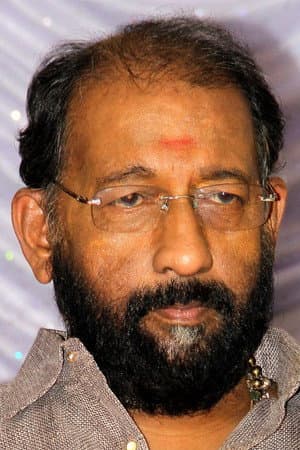
Amal Neerad is a Malayalam filmmaker whose reputation rests as much on how his films look and feel as on what they say. He studied at the Satyajit Ray Film and Television Institute in Kolkata and worked as a cinematographer before turning to direction; his first recognition came through that craft. A cinematographer designs and controls the camera work, lighting and visual composition of a film. That role runs like a thread through his career. Across genres and decades, he keeps returning to mood, framing and a controlled visual style. The body of work behind Amal Neerad: The Films And The Filmmaking shows it plainly.
From Behind The Camera To Behind The Story
The move from photographing films to authoring them is the hinge of this career. Neerad first gained recognition as a cinematographer, and his early notices came from that technical side of filmmaking. He stepped into direction with Big B (2007), which he wrote as well as directed. That film became known for its visual language and technical finish. It is this quality, the sheer polish of the image, that audiences and commentators most often attach to his name. One point deserves care: the signature is real, but it belongs to a filmmaker working with many collaborators, not to one person alone.
The Films And What Each Contributed
The filmography reads best as a set of distinct moves rather than a list. Each title shifts the balance between action, family and dread. Each adds something to the visual signature.
Action And The Family Frame
Big B (2007) is the debut, written and directed, an action film whose look and technical polish established the visual signature that would follow him. Sagar Alias Jacky Reloaded (2009) is a follow on to an earlier well known Malayalam action film. It continued the stylish action mode rather than reinventing it.
Bachelor Party (2012) is where the domestic theme sharpens. Tony, a former outlaw, tries to settle into a quiet life with his wife and newborn child. Then a dangerous gangster named Prakash returns and the peaceful household is disrupted. The plot sets out the recurring pull in this filmography: domestic order on one side, outside menace on the other.
Bheeshma Parvam (2022) is the clearest example of the family power struggle as subject. Set in 1980s Kochi, Micheal heads an influential family, commanding fear and respect through his unnerving past. Younger members of the household, feeling his power over their lives, join hands with his rivals. Neerad wrote, directed and produced the film, and it concentrates everything the earlier work had been circling.
Ambition, Dread And Scale
Anwar (2010) was written and directed by Neerad. A man is drawn into a terrorist network after personal tragedy, and as he infiltrates it his true motives and loyalties come into question, in a story framed around faith, vengeance and redemption. It extends the action mode into larger moral territory.
5 Sundarikal (2013) is an anthology, meaning a film made of several separate short stories. Neerad is credited for story, direction and production on the film. Iyobinte Pusthakam (2014), directed and produced by him, belongs to the same stretch of period and family sagas. It is enough to place it there without reaching beyond what is confirmed.
CIA: Comrade In America (2017), directed and produced, marks a change of register within the filmography. Varathan (2018) turns the tension inward. Aby and Priya move to her family estate in Kerala after he loses his job, and conditions worsen around them as they encounter a new set of challenges. Here the threat is not a rival gang but the surroundings themselves. The domestic setting becomes the source of dread. Bougainvillea (2024), written, directed and produced, is the most recent confirmed title, and it shows the filmography continuing rather than settling.
What He Returns To, And Why The Name Travels
Draw the patterns together and a consistent set of concerns appears. Men with violent pasts. Families as systems of power, with elders who command and younger members who resent. Households disturbed by intruders, whether a gangster at the door or a threat that gathers slowly in the trees. And beneath all of it, a persistent interest in how a film is photographed. He is also repeatedly credited as producer, the person who assembles and oversees a film's financing and production. That role recurs across the filmography and suggests a filmmaker invested in the whole shape of a project rather than only the frame.
Place him in Malayalam cinema without ranking or prizes, and the picture is of a filmmaker whose visual approach and genre instincts made his work recognisable to audiences well beyond Kerala. For a reader outside the region, his films are a useful entry point for understanding how style, action and family drama sit together in contemporary Malayalam cinema. That combination, sustained across a body of work, is the reason the name travels.