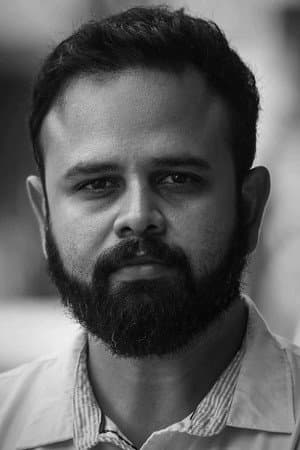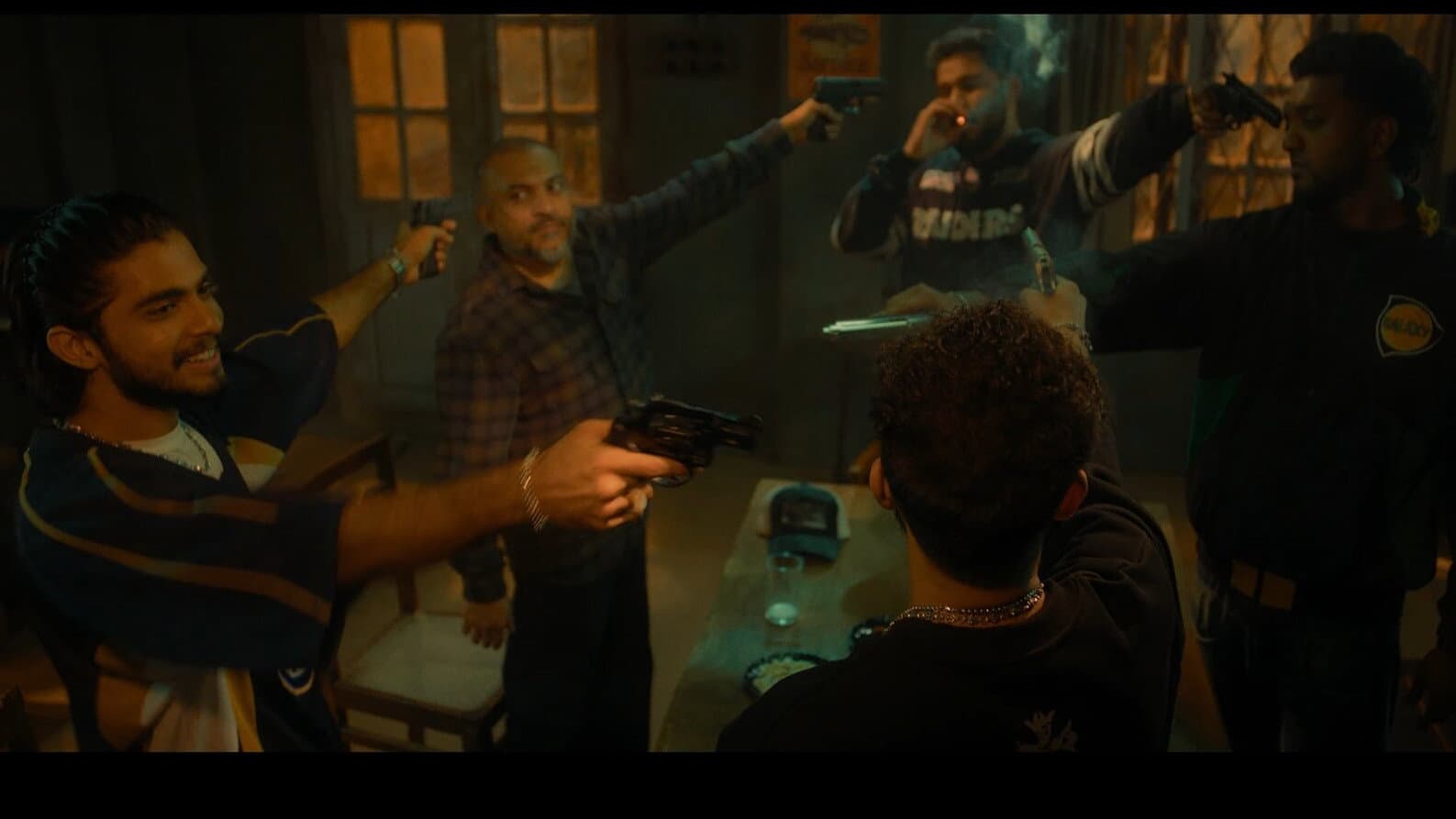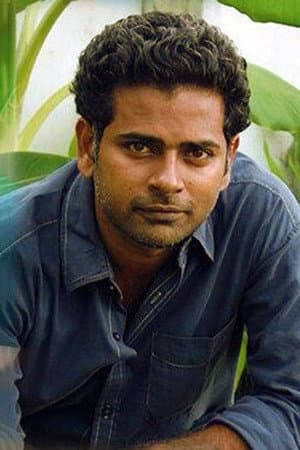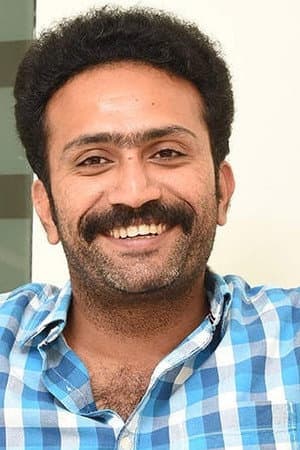
Manikandan Achari is a performer in Malayalam cinema whose film work begins with Kammatipaadam (2016), in which he appears as Balan. The credit list used in this piece is drawn from his filmography as recorded on TMDb. A filmography is simply the record of a performer's film credits, the list a reader can check against the work itself.
His standing rests on a run of supporting parts across a decade of Malayalam films, not on a single lead. A supporting role is a substantial part that is not the film's central character, and Malayalam cinema has traditionally given such parts real weight rather than treating them as filler. The through line in this body of work is range within a narrow band: men on the edge of the story, often poor, often dangerous, often both. The parts discussed below show the same performer moving between folk horror, crime drama and large scale period spectacle without changing his approach.
A Debut That Set The Terms
Kammatipaadam (2016) as Balan announced him as a presence in an ensemble. An ensemble film is one carried by a group of performers rather than a single lead. The role type it established, a man from the margins of a story about a changing landscape, recurs right through the filmography.
The Films And What Each One Added
Alamara (2017) came early and leaned comic, with the credit listing him as Sugunan aka Supran. The double name in the role is a small sign of a character with a public face and a private one.
Kayamkulam Kochunni (2018) as Vava placed him in a large scale period film. Work of this size puts supporting performers in front of the widest audience the industry reaches. Ottam (2019) as Kattu sits at the other end of the scale, a leaner film with a smaller ensemble, the kind of credit where a single presence has to hold its share of the screen.
Kuruthi (2021) as Preman adds a contained thriller credit to the list.
Kakkipada (2022) is listed without a character name in the source material, and the filmography records no role name for it.
Then came two large films in 2024. In Bramayugam he appears as Koran. The film follows a folk singer in 17th century Kerala who discovers a mansion, and inside it an enigmatic cook and a powerful master, setting off a chain of events that changes his life. Koran belongs to that household, part of the world the mansion closes around the singer. In Malaikottai Vaaliban he appears as Adima, another production of period scale, and the credit itself is the claim made here.
His most recent stretch of work is gathered in 2026. Varavu casts him as Dancer, in a story where a family falls victim to the powerful elite in a small town, and one man's return forces a confrontation that will expose decades of lies and corruption. Karakkam gives him the role of Chacko, in a film where a drunken New Year's prank goes wrong when two young men remove sacred crosses from graves, and five restless ghosts emerge to haunt their every move, driving them to seek redemption and release. Bhishmar lists him as Mad Man, in a film where two men meet by chance and set off a night of chaos with romance and action as their paths cross and intertwine through unexpected events. Titans lists him as Sebastian; the source material supplies no plot for it, so the title and the role stand on their own.
The Roles He Returns To, And Why The Name Travels
Read the titles together and a few types come back. There is the man with a nickname or alias: Supran, Vava, Chacko, Koran. In Malayalam films a nickname often signals a character known by reputation rather than by family, a man the town has already decided about before the film begins. There is the marginal witness, present at the edge of a bigger story. And there is the figure inside a supernatural or folk frame, as in the haunted crosses of Karakkam and the mansion of Bramayugam.
A performer known for ensemble work can be familiar to audiences without being a household name, because the recognition comes from the face in the room rather than the name on the poster. That is where he sits: a working supporting performer across commercial and art leaning Malayalam films, whose face carries a scene without carrying the poster.
A reader outside the region should know the name because the texture of Malayalam cinema, its crowded rooms and small towns, is built by performers like this, and because following the supporting credits is the most reliable way to understand what the industry is actually making. The filmography tells the story plainly: from Kammatipaadam (2016) to the 2026 titles, a decade of steady work with no gap in the list, which is its own quiet argument for Manikandan Achari: A Career In Malayalam Cinema.
For further context on the industry, see the Malayalam cinema entry on Wikipedia and the Kerala State Chalachitra Academy, the state body for film in Kerala.