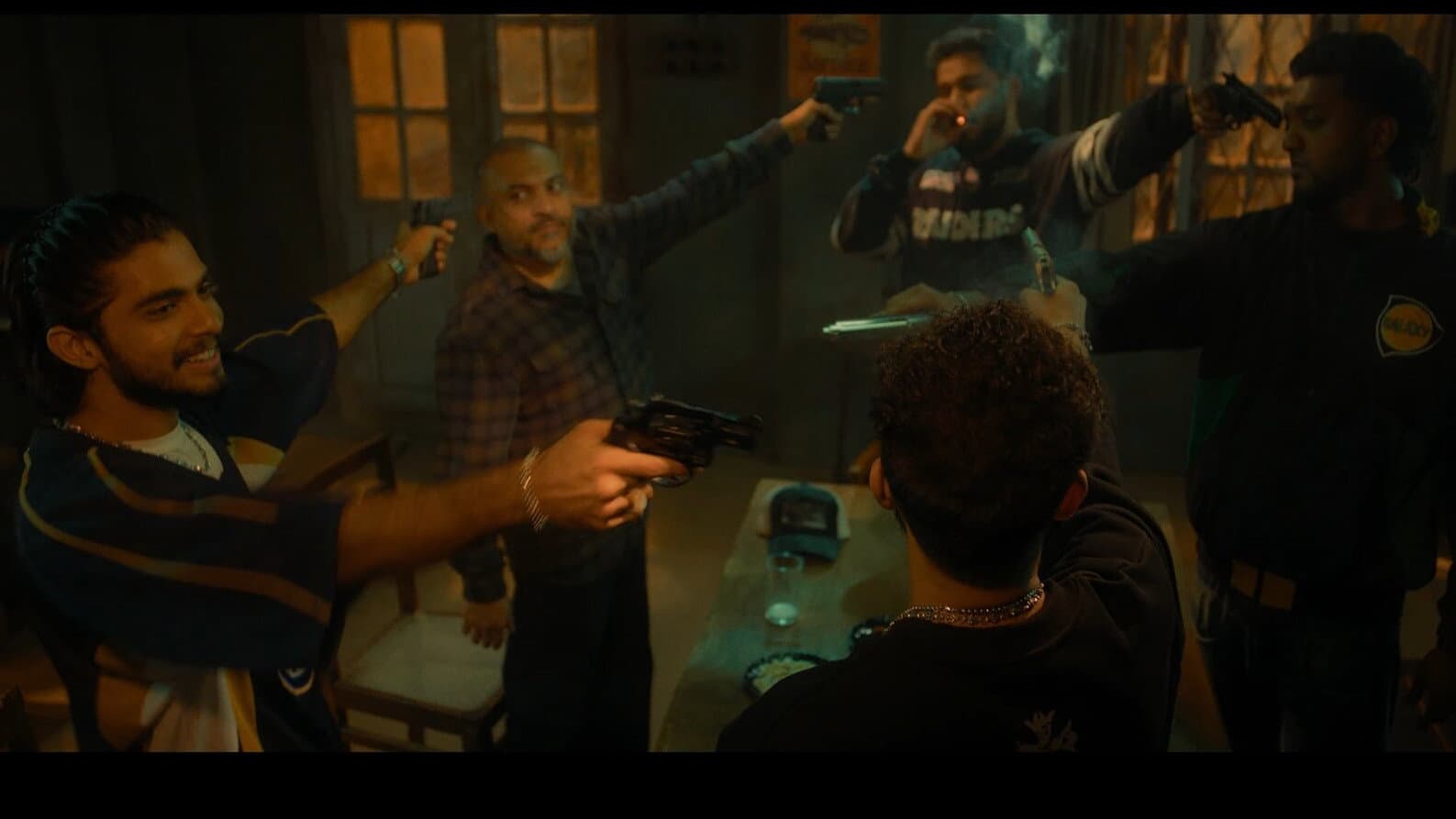
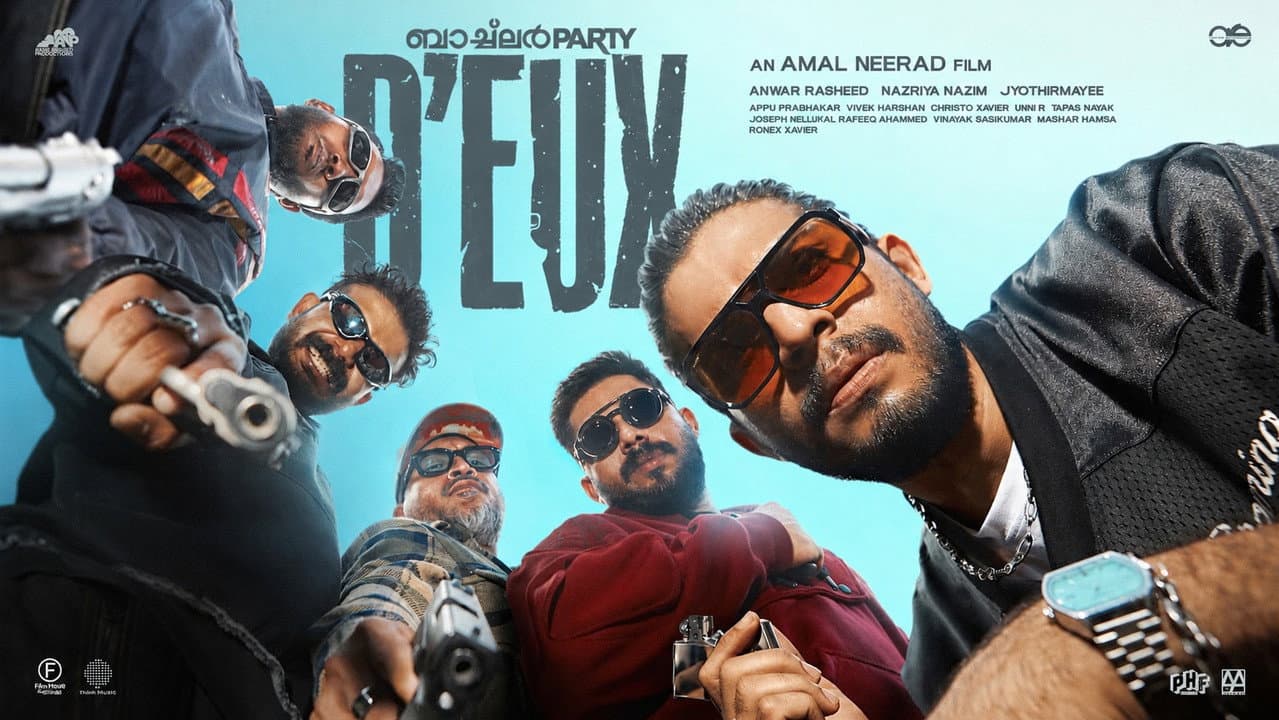
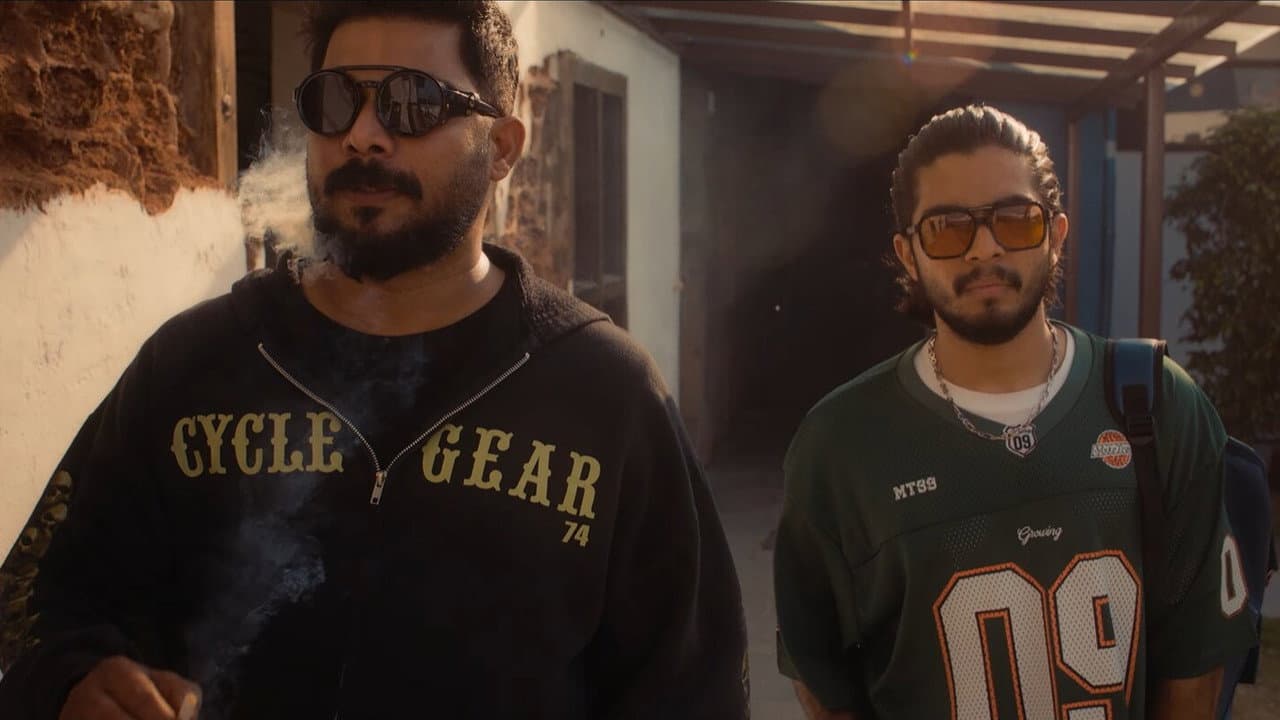
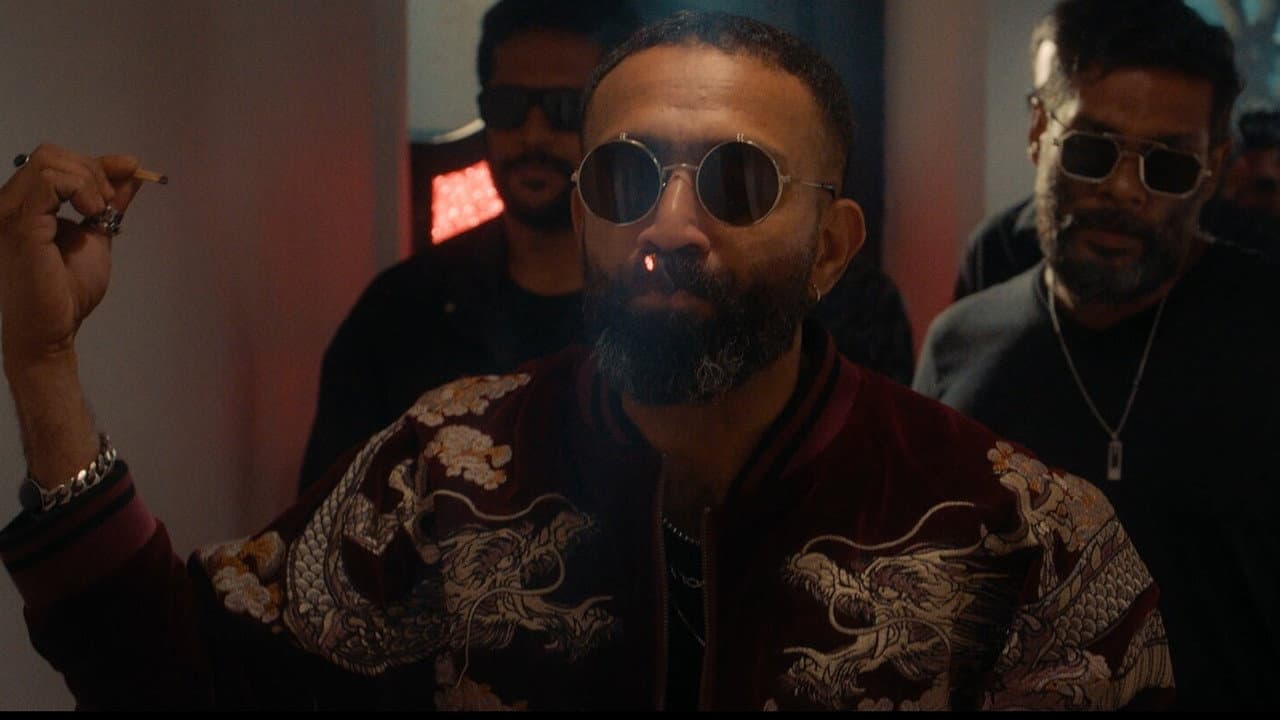
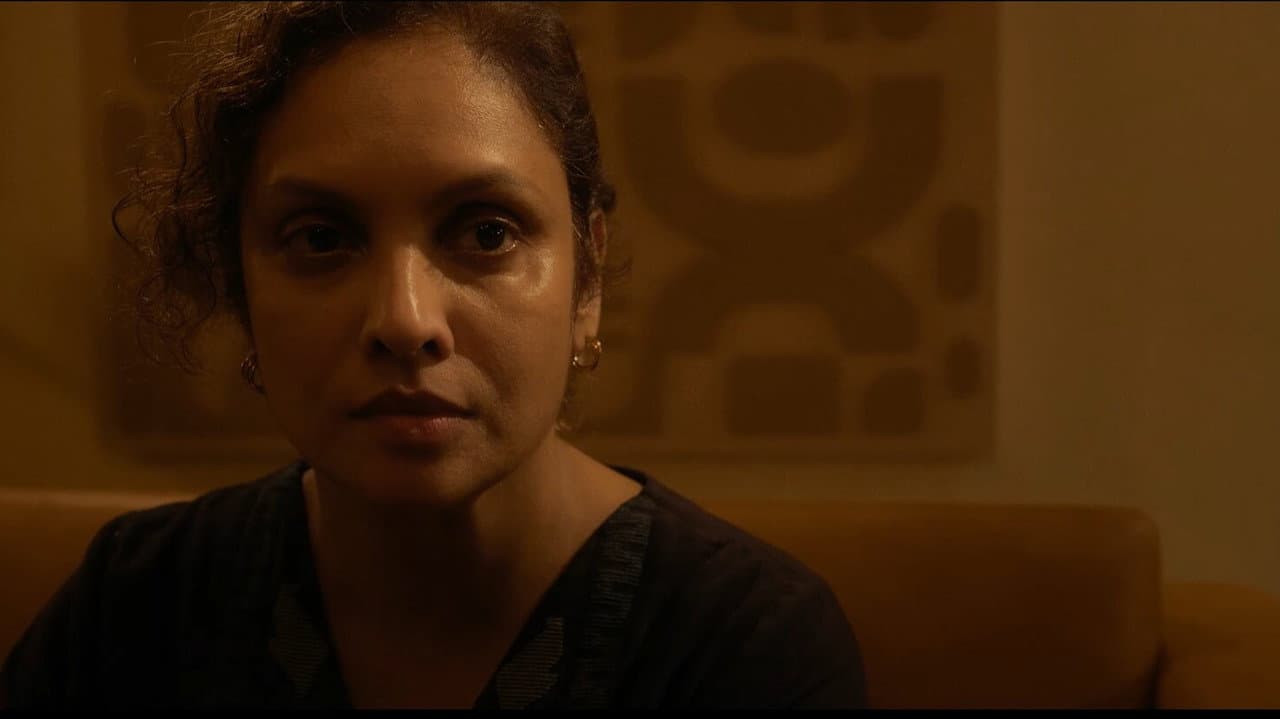
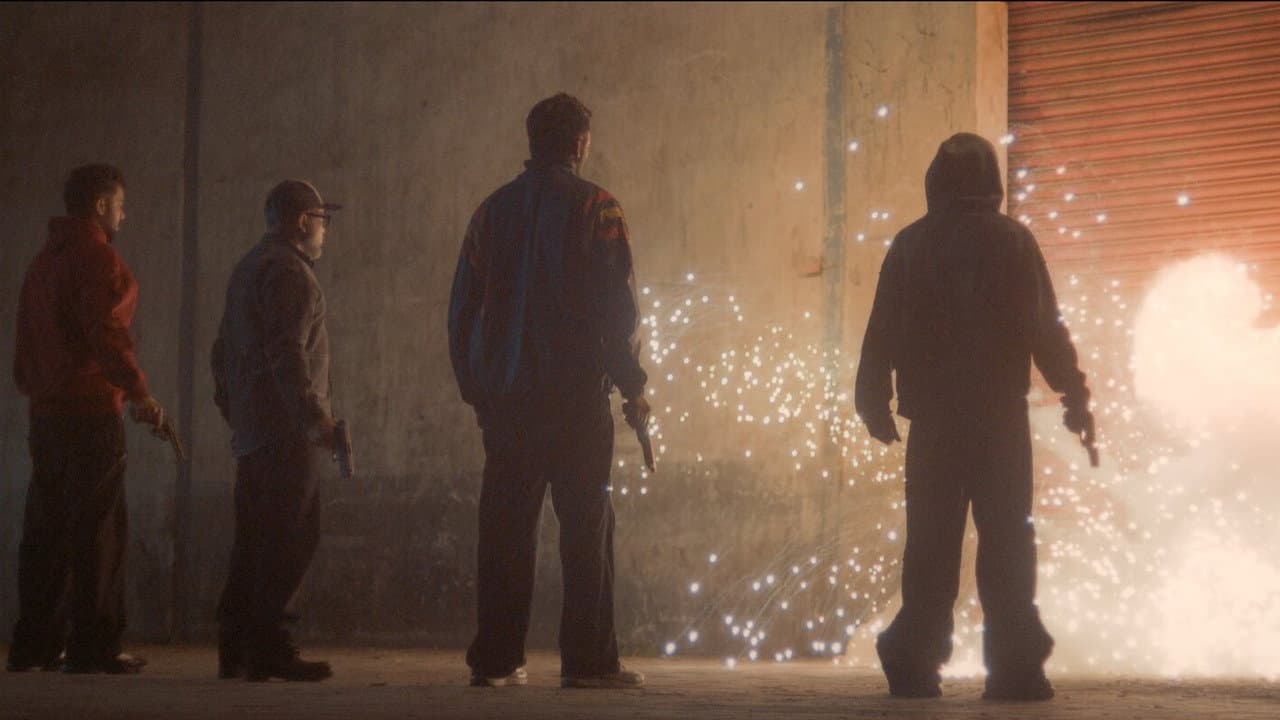
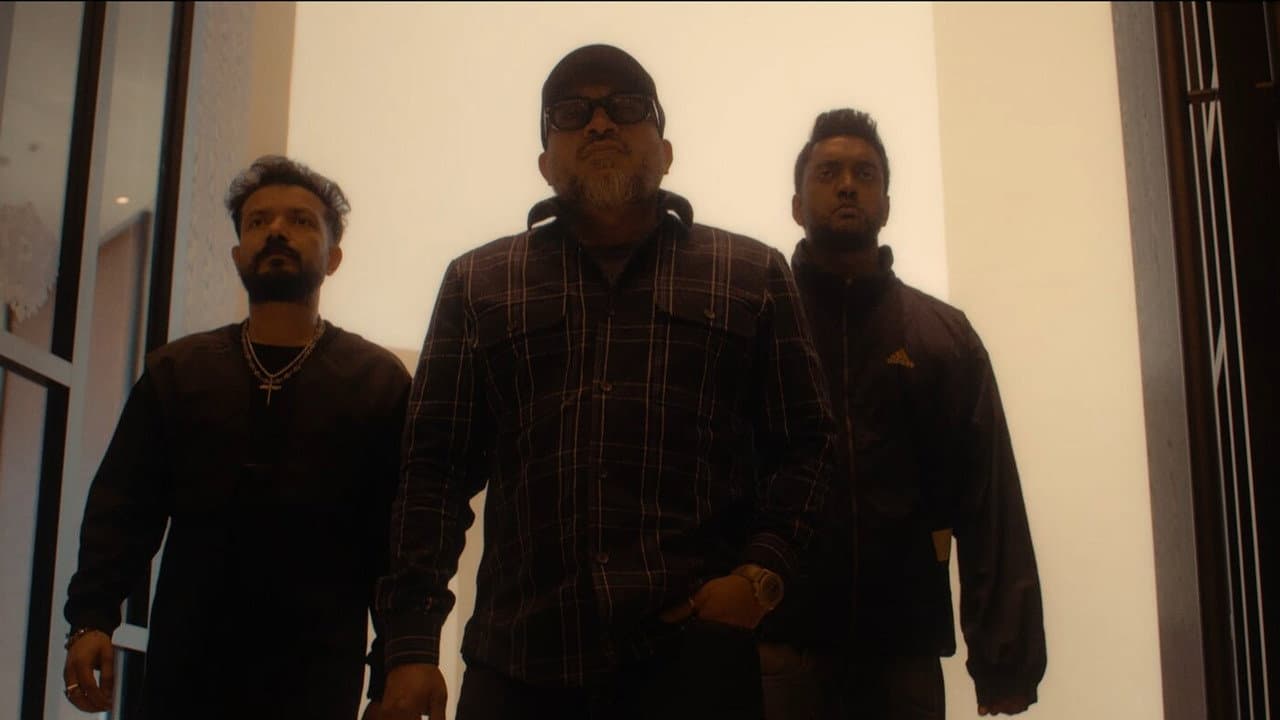
Let's start with the obvious: this cast is a gift. Kunchacko Boban brings a weary gravitas that grounds the film whenever it threatens to float away on its own style. Naslen continues his remarkable run, finding a nervous, endearing centre in Sony; he is the audience's surrogate, the one who seems genuinely bewildered that his life has become a shootout. Soubin Shahir and Sharafudheen are the comic engine, trading barbs with the timing of men who have clearly worked together before, while Sreenath Bhasi brings a jittery, unpredictable energy that keeps scenes from settling into routine.
Then there's Tovino Thomas. Without spoiling the mechanics of his appearance, the film uses him as a jolt of electricity, a reminder that the movie can shift gears when it wants to. The restraint in how his role unfolds is one of the script's smarter choices; the problem is that the rest of the film rarely matches that discipline.
Amal Neerad remains one of Malayalam cinema's most confident stylists. The frames are composed with painterly care, the colour grading is tactile, and the action sequences - especially a mid-film corridor skirmish - have a physical heft that few mainstream films in any language can match. He is a director who understands that a close-up of a sweating forehead can be as thrilling as a car crash. Yet style without proportion becomes exhausting. At 132 minutes, the film overstays its welcome by at least fifteen, and the repetitive banter that charms in hour one grates by hour two.
The comedy is hit-and-miss and knowingly so. There are stretches that had the audience roaring, and stretches where the silences were louder. The tonal juggling is where Bachelor Party D'eux struggles most: one scene asks us to mourn, the next asks us to laugh, and the transition is sometimes brutal. It is to the ensemble's credit that these whiplash moments land as often as they do - Boban and Naslen, in particular, can pivot from comedy to sincerity within a single line - but the screenplay never earns its emotional beats as cleanly as the performances deserve.
Given its release day, this is an opening-night film, and it plays like one. It is designed for a packed house, for collective gasps and laughter, and on that contract it delivers. But the morning after, the details blur; the plot is serviceable scaffolding for set pieces rather than something you'll want to dissect. That's not a sin, but it's a limitation.