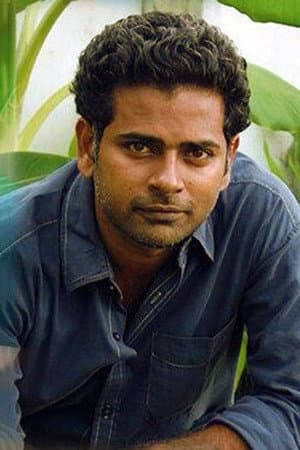
Alphonse Puthren is a director in Malayalam cinema, the film industry based in Kerala, the Indian state that makes its films in the Malayalam language. The record of his work also lists him as an editor, a writer and a maker of commercial advertisements. This article is about the body of work and the craft behind it, not about the man away from the set.
His filmography has two clear centres. On one side are the films he has directed and written. On the other is a run of performing credits, some small, some larger, in films directed by other people. The point of this piece is to see both sides together. Alphonse Puthren: The Films And The Filmmaking is a story of range, and that range is why the name travels.
A Career Built On Craft And Range
He started as a director with Neram (2013), a bilingual feature, meaning a film made in two languages at once, in this case Tamil and Malayalam. Premam (2015) came next, a coming-of-age film, which follows characters as they move from youth into adulthood. The record calls it a blockbuster, a very widely seen commercial success.
Some vocabulary is worth fixing first. A story credit means originating the narrative. A screenplay credit means shaping that narrative for the screen, scene by scene and line by line. A producer is the person who organises and finances a film's making. Those three roles sit at the heart of this filmography, and so does a fourth: performing on screen.
The Directing Credits And Why They Matter
Neram (2013) carries credits for director, story and screenplay. The plot follows Mathew, a software engineering graduate with no job, who has borrowed money he cannot repay. His childhood friend Jeena offers what help she can while her father works against him. His good time arrives, the description notes, along with many problems. The film is often described as his debut feature, and it set the pattern of holding writing and direction in the same pair of hands.
Premam (2015) repeats that pattern: director, story and screenplay. It is the coming-of-age film the record calls a blockbuster, and it remains the title most closely tied to his name.
Gold (2022) carries director and writer credits, with a performing credit as Spider Suresh. The supplied record gives no plot summary for it, so none is offered here.
The pattern across the three is plain. He writes what he directs, and the screenplay does not pass to another hand.
The Wider Filmography: Other Credits, Other Parts
The fuller list shows how wide the working life runs. Neram, Premam and Gold sit in the directing column. Thobama (2018) carries a producer credit and nothing more in the record. Then come the performance credits.
Sarvam Maya (2025) casts him as Dr. Rafael. Its plot follows an atheist priest whose life is upended after he performs an exorcism and bonds with a charming spirit who helps him pursue music and heal his past. The title and the part belong to the performing side of the list, not the directing side.
Balti (2025) and United Kingdom of Kerala (2025) list him as Soda Babu and Mathews respectively, performance credits only, with no plot supplied.
Kattalan (2026) lists him as Mendis. Its plot describes power-hungry forces clashing in the Ivory cartel war, a fierce story of control, vengeance and survival in which compassion vanishes and only the ruthless endure. Vaazha II (2026) lists him as DYSP Xavier Alexander. That plot follows four friends, Hashir, Alan, Ajin and Vinayak, treated as losers and troublemakers by parents, family and school management, who face immense social pressure as they reach adulthood and learn to take up their responsibilities.
Two centres, then, with no need to guess why.
Themes, Standing And Why The Name Travels
Read across the plots, and certain subjects come back. Neram turns on money trouble and young adulthood, on a graduate waiting for his good time while a loan waits for him. Premam turns on growing up. Sarvam Maya turns on faith and the past. Vaazha II turns on pressure and responsibility among friends. Kattalan turns on power and survival. These are plot descriptions and nothing more. They are not a claim about what the filmmaker believes.
Where does the work sit? The record shows a small number of directing credits and a broad set of other credits, with Premam named as a blockbuster. That is the honest measure, and there is no need to rank it against anyone.
For a reader outside the region, the name is worth knowing because it is one of the clearer examples of a filmmaker whose work crosses between directing, writing and performing, in an industry many readers meet only through a handful of titles. General reference on the industry is available through Wikipedia's entry on Malayalam cinema, and on world cinema through the Internet Movie Database.
Start with the directing credits, then follow the performing ones. The work is the reason the name carries.