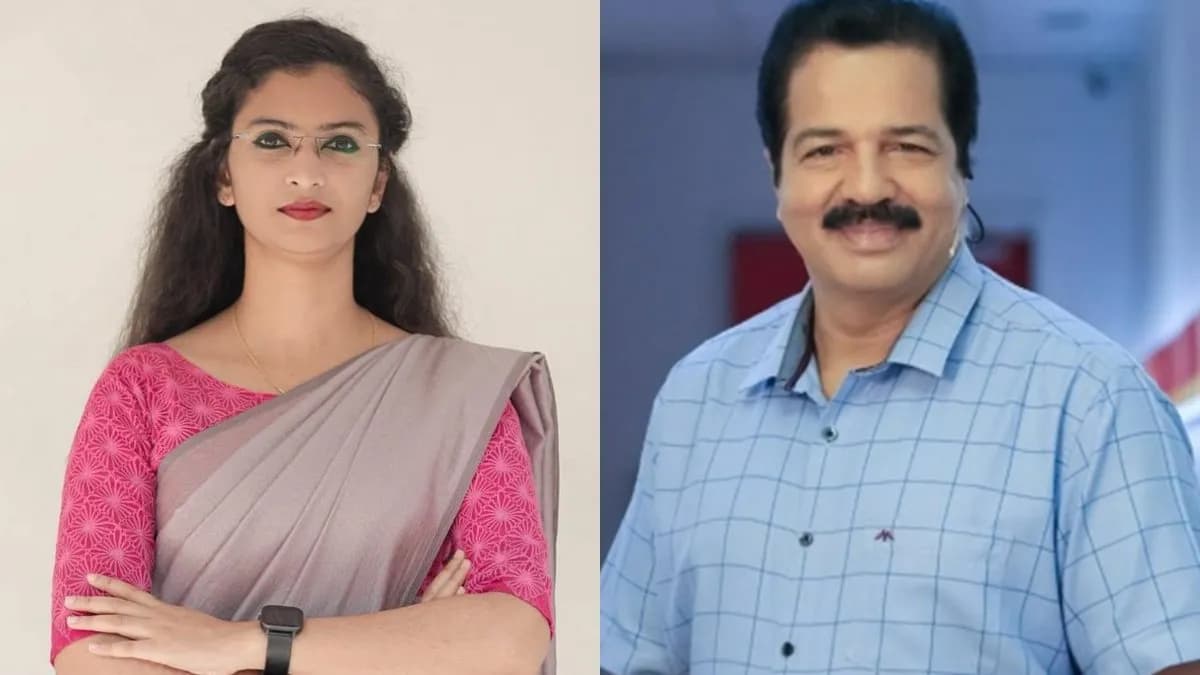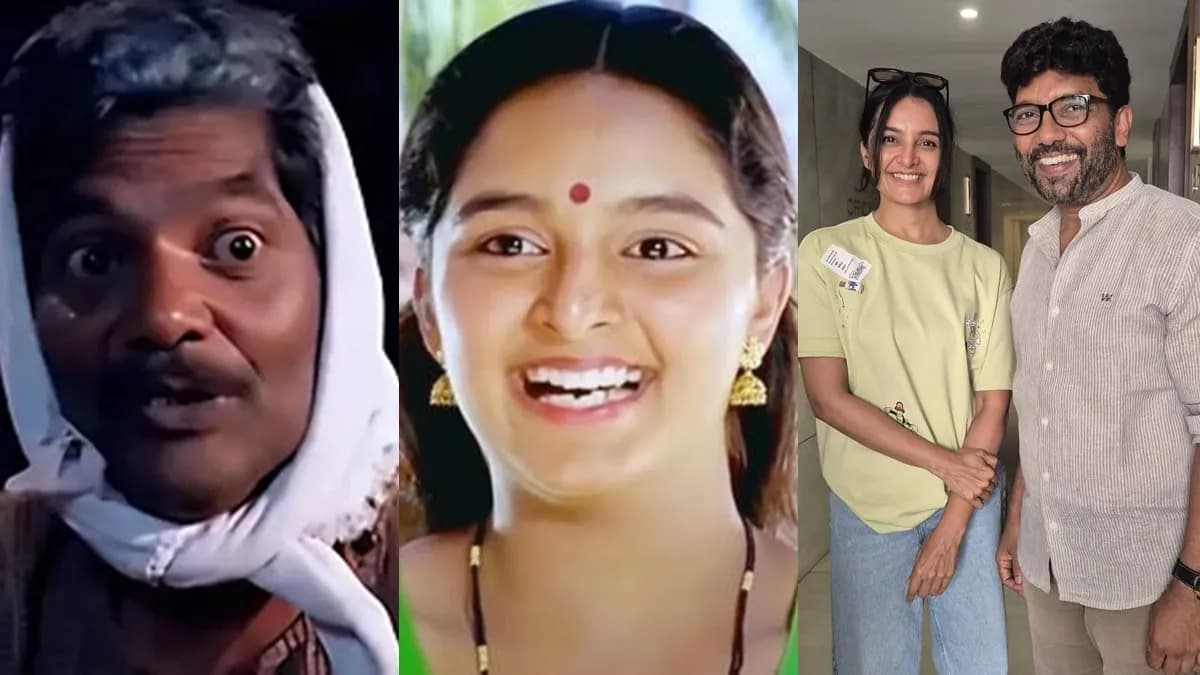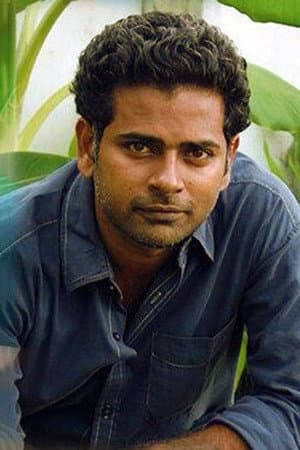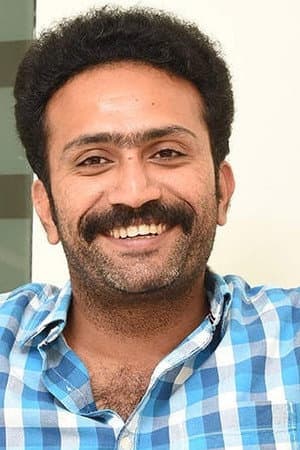
Some careers begin in the spotlight. Others begin in the control room, where a future performer learns how films are actually made before ever stepping into frame. Shine Tom Chacko: A Career In Malayalam Cinema is the second kind of story, and it explains a great deal about the range that has come to define his work.
A Career Built From The Ground Up
Shine Tom Chacko's route into Malayalam cinema began behind the camera. He studied at St. Thomas College in Thrissur and came into the industry in the 2000s as an assistant director under the filmmaker Kamal. That apprenticeship gave him a working knowledge of how a set runs before he ever stood in front of one. An assistant director, for readers outside the region, is the person who shadows the director through the whole production, coordinating schedules, actors and logistics. It is often the fastest education the industry offers.
His first time on screen came in Kamal's comedy drama Nammal (2002). For a while the two tracks of his career ran side by side: small parts in films as varied as Ee Adutha Kaalath (2012) and Annayum Rasoolum (2013), each one adding a little more to his range. The film that made a real impression was the fantasy comedy Ithihasa (2014), which finished its run as the highest-grossing Malayalam film of that year. It showed that his instinct for comedy could carry a film.
The highest-grossing Malayalam film of a year is simply the one that took the most money at the box office, a useful marker of how widely a film traveled beyond Kerala's own audiences. A performer who leads such a film proves he can draw the crowds, even before his busiest years arrive. For general context on how Malayalam cinema's commercial reach has expanded, see the Kerala state film industry overview from Wikipedia.
The Films And What Each One Added
The credits that followed show how deliberately Shine Tom Chacko has varied his choices. Kammatti Paadam (2016) placed him in a drama of urban change and family history, playing Johnny. Godha (2017) set him up as the comic spark in a village wrestling story, giving the film some of its most memorable dialogue as Kidilan Firoze. Bheeshma Parvam (2022) cast him as Peter, one member of a powerful family in 1980s Kochi, a sprawling crime drama whose success showed how many Malayalam films now reach viewers far beyond the region.
His filmography continued with Operation Java (2021), a police procedural in which he played the investigating officer Jacob Mani; Bandra (2023), a stylish thriller in which he appears as Akbar; and two releases of 2024 and 2025, Oru Anweshanathinte Thudakkam as Jeevan Thomas and Alappuzha Gymkhana as Andrew Clarson. In Dominic and the Ladies' Purse (2025) he plays Alby, and in Diés Iraé (2025) he plays Manu, also credited as Philip Sebastian.
From The Wedding Morning To The Wrong Side Of The Law
Three films from 2026 complete the picture. Dhoomakethu gives him the role of Shekharankutty, a man whose wedding morning turns strange when a disturbing dream about his own death begins to repeat. In Bachelor Party D'eux he is Guru, part of a group of thieves forced into a dangerous escape. In Derby he plays Avinash, and the film's title points to the racing world, a setting Malayalam cinema returns to again and again. See how little these titles have in common: a wedding day gone wrong, a getaway, a race track. The role is often the invitation, and the film's world is whatever comes with it.
Where He Sits In Malayalam Cinema
Shine Tom Chacko has become a reliable presence in ensembles as much as in leads. Directors seem to call on him when a film needs a character actor who can carry a scene, bend it toward comedy or toward threat, and then step back. He has worked with the directors of major hits and with first-time voices, and the spread of his credits is itself a record of how Malayalam cinema has grown in scale and ambition. A performer who can be funny one moment and quietly serious the next fits that landscape.
For a reader outside Kerala, his name is a good way in. Should you follow only one region's cinema, his films offer a tour of the industry's range: family power struggles, wrestling comedies, police procedurals, wedding-day mysteries. The career that began as an assistant director's apprenticeship has turned into a body of work that shows what makes Malayalam films distinctive: tight scripts, strong ensembles, and performers willing to disappear into a role rather than protect an image. Background on the wider industry's history is available through Encyclopaedia Britannica's entry on Indian cinema.
That steadiness is a quiet kind of achievement. In an industry that often rewards the loudest presence, Shine Tom Chacko has built a career on range. Any reader wanting to understand Malayalam cinema could start with a few of his films and find a fair portrait of its variety. The filmography is not complete, but its shape is clear: a career that keeps changing shape.