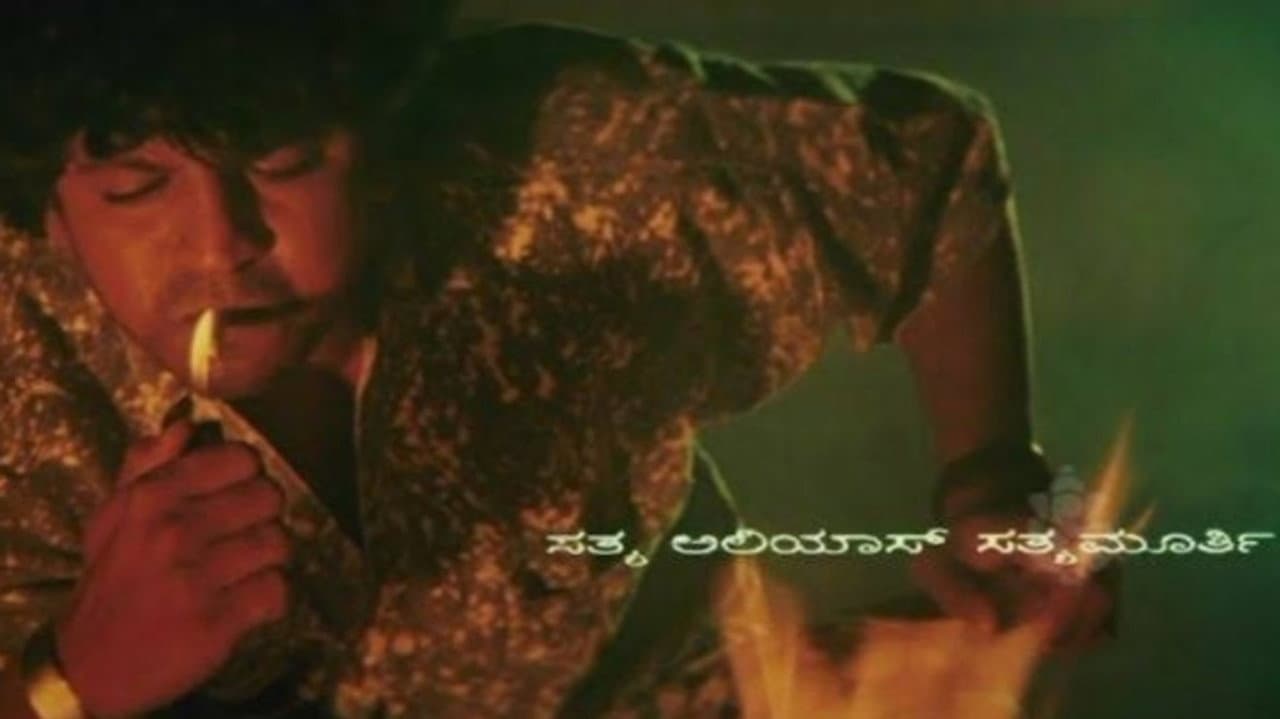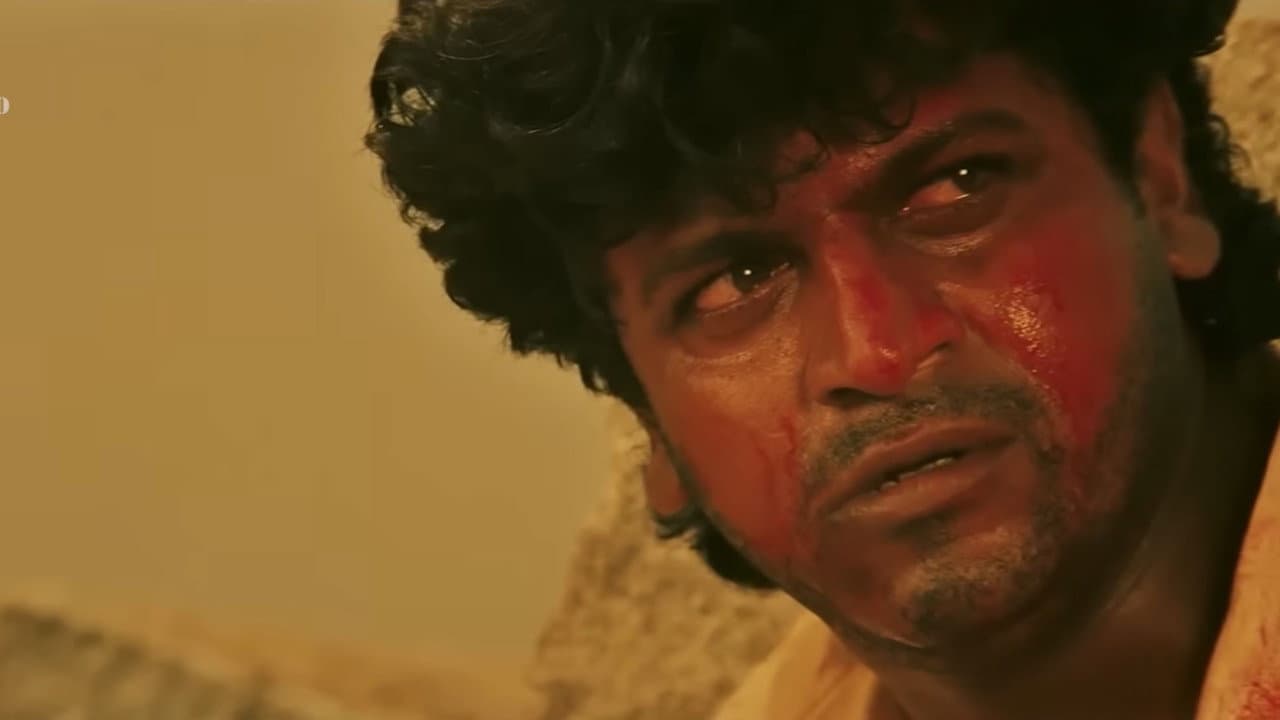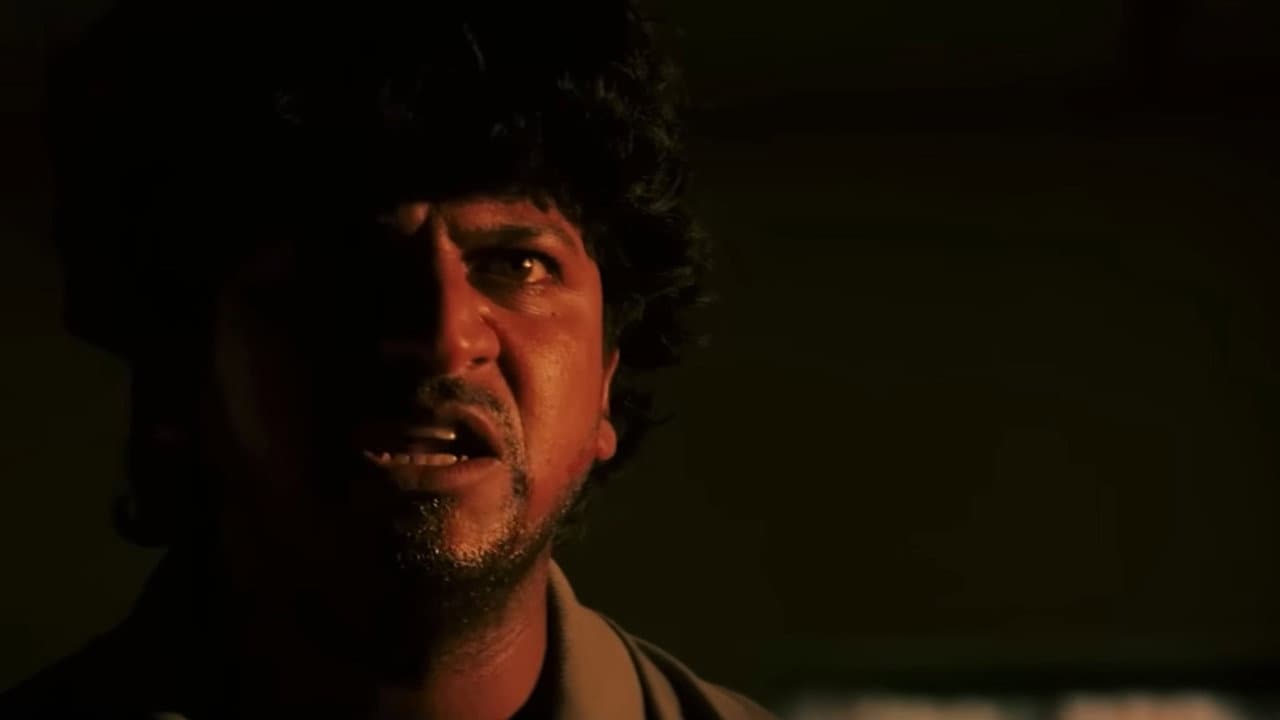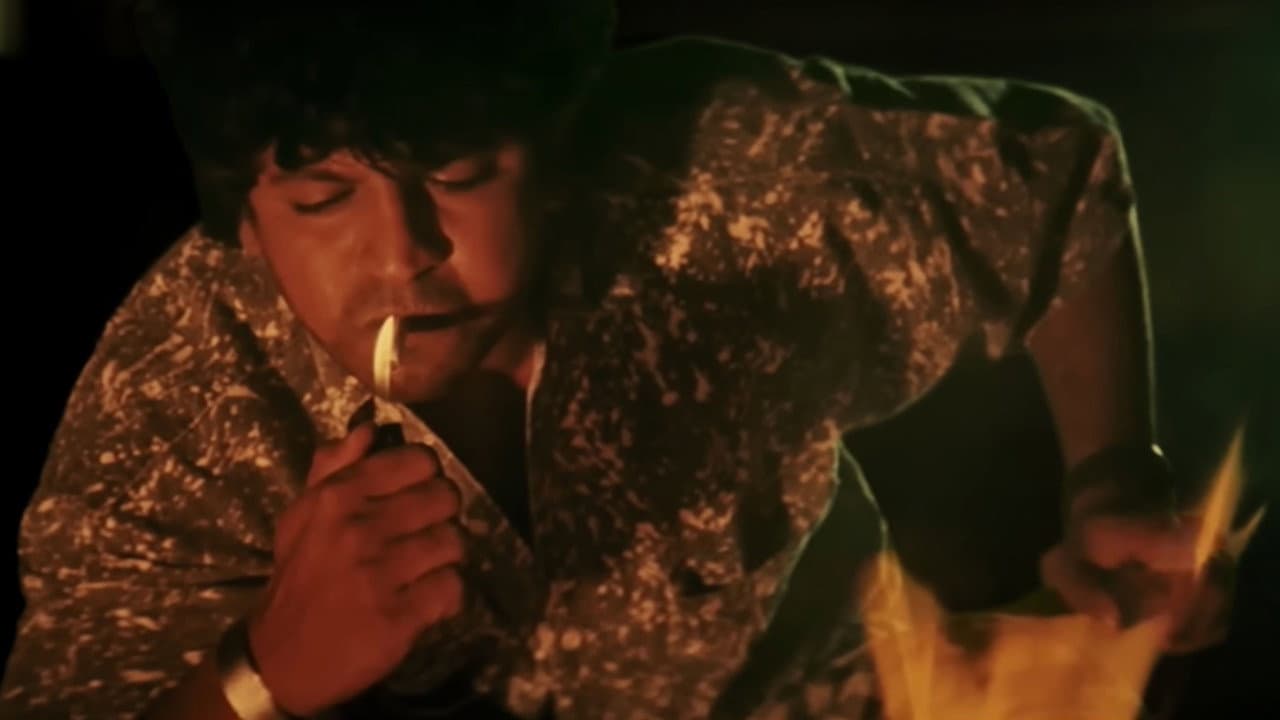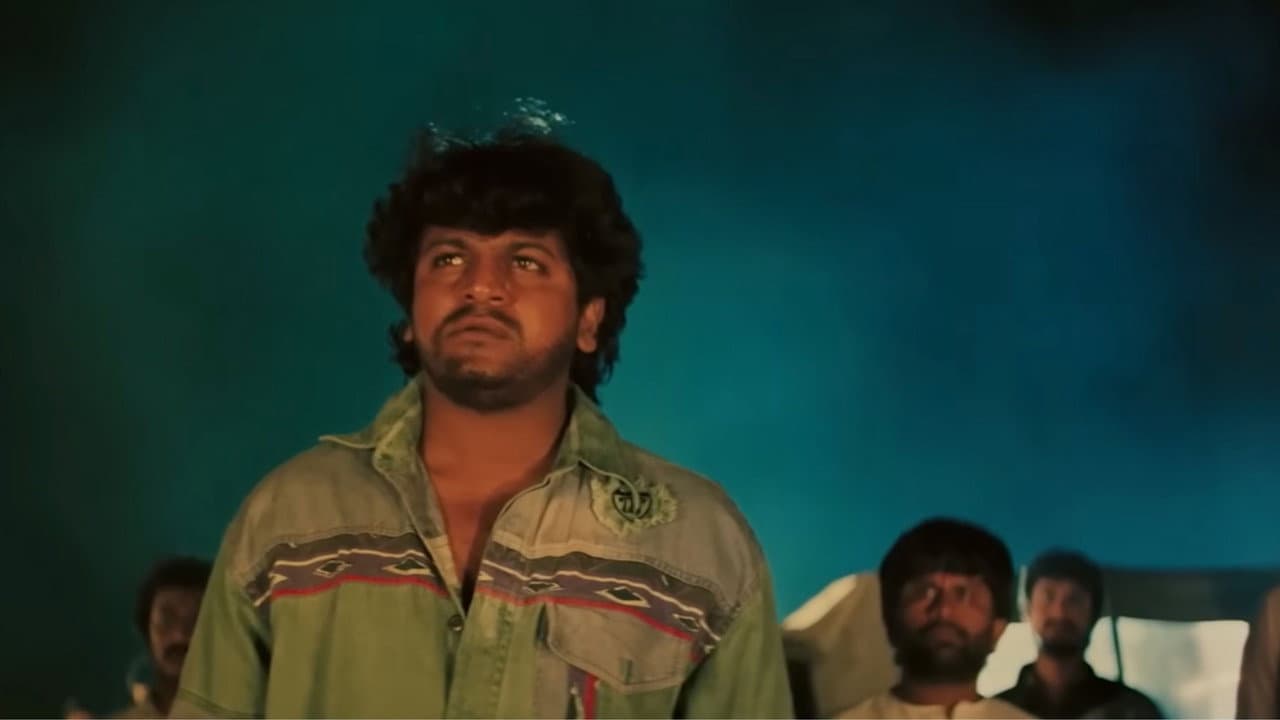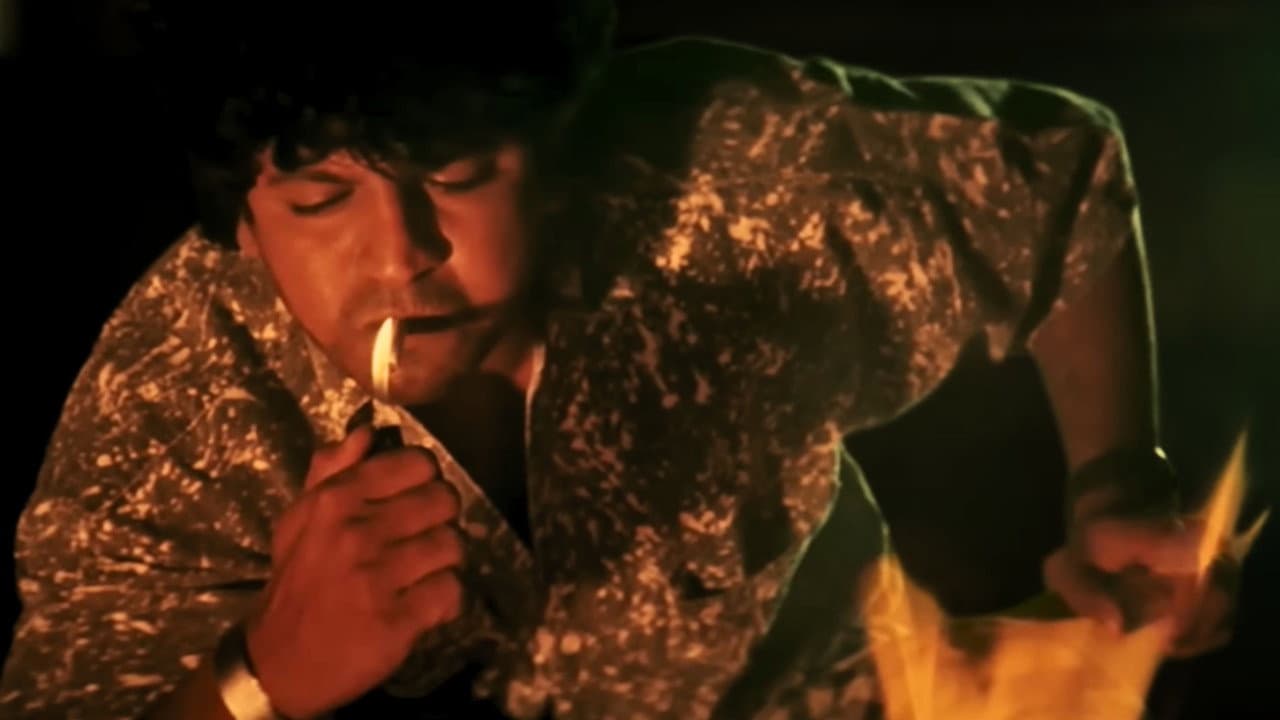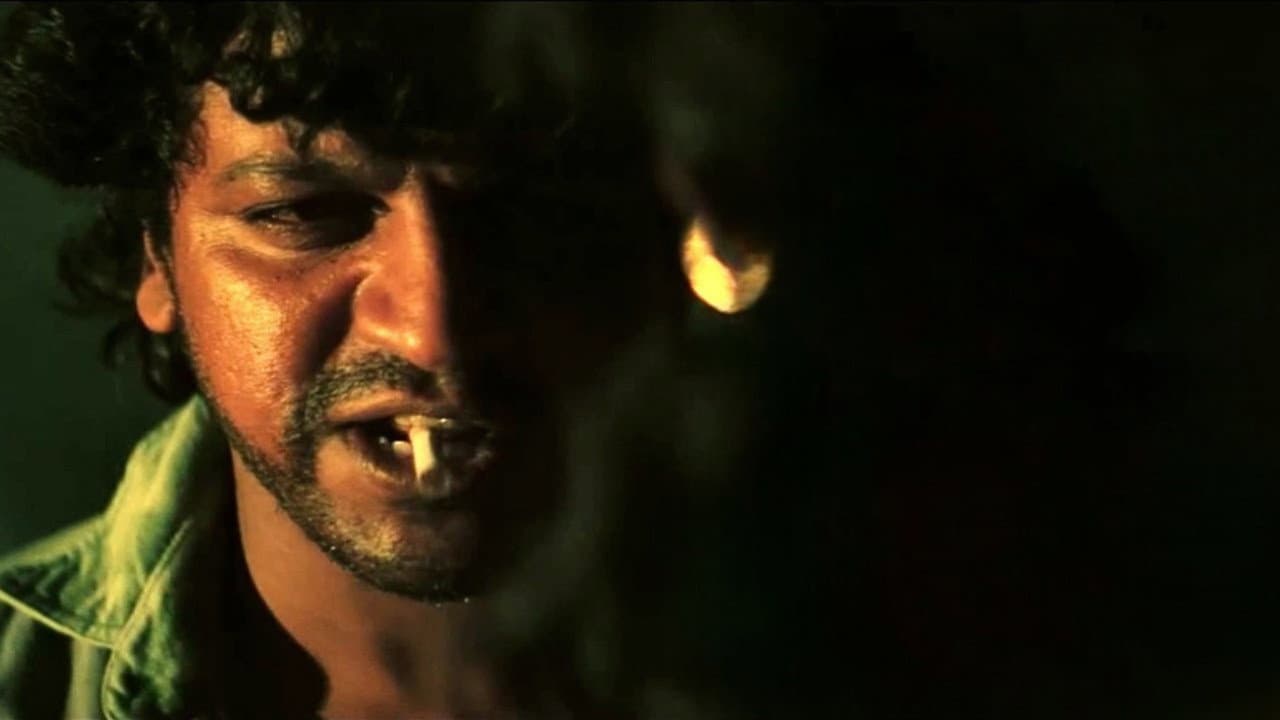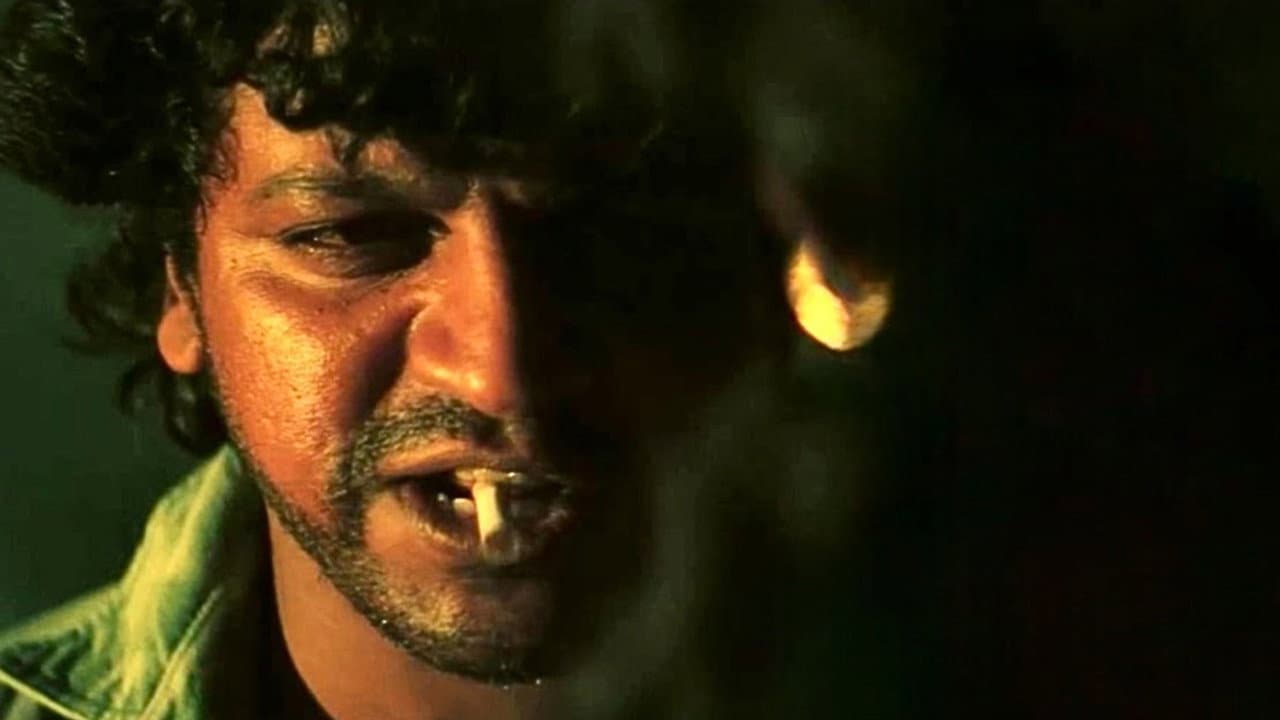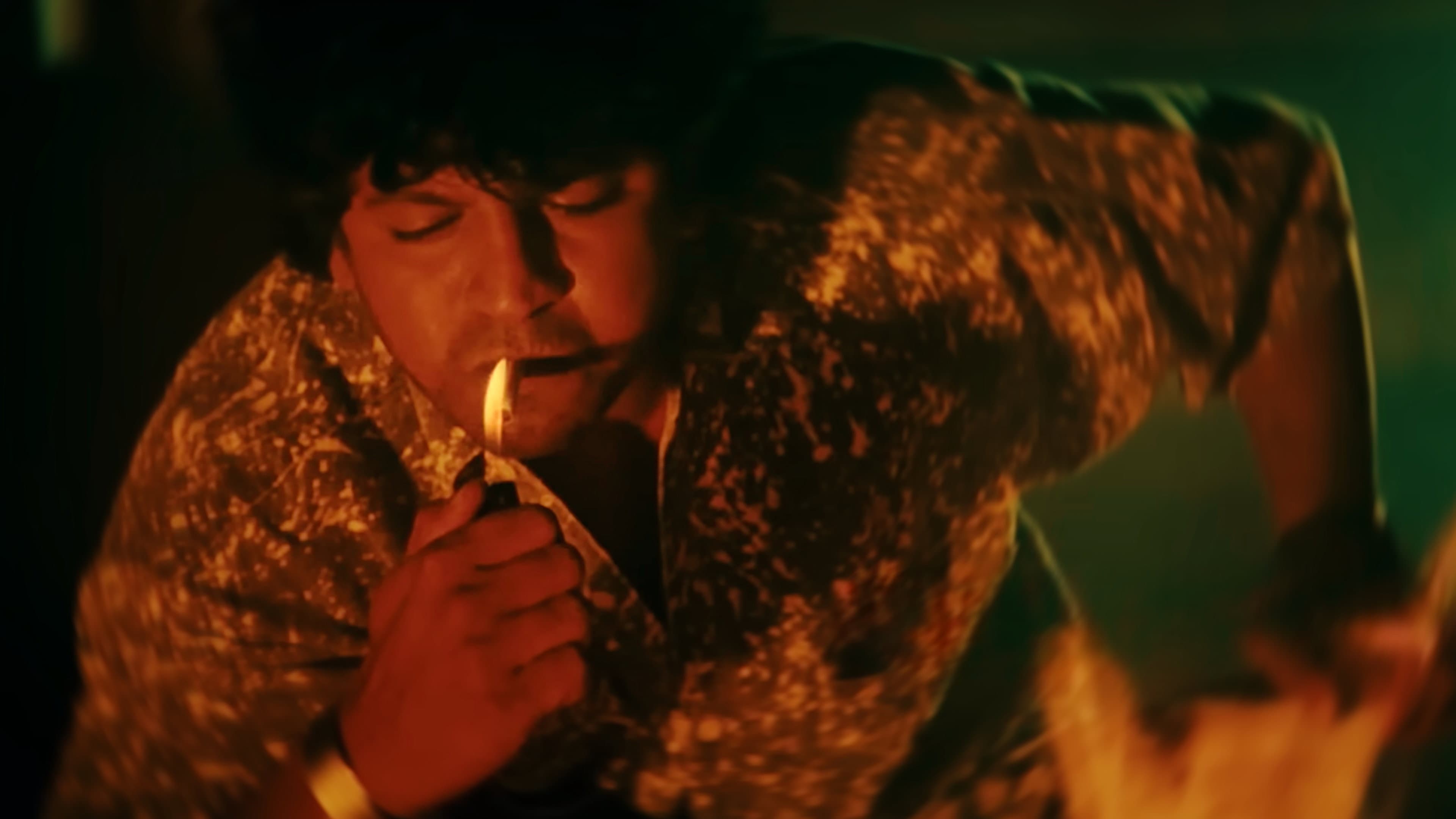
Veteran Kannada filmmaker Upendra has said he wants to reshoot the courtroom sequence from his 1995 crime drama "Om," a request that has revived discussion about one of the most imitated scenes in Indian cinema and the performance that anchored it. The director's remark, shared in a social media note, singled out the courtroom stretch of the film and the way its lead, Shiva Rajkumar, handled the material at the time of shooting.
According to the note, Upendra believes the scene could be staged more effectively today and has expressed a wish to film it again. He also recalled how Shiva Rajkumar approached the sequence during the original production, describing the actor's commitment as central to how the moment eventually played on screen. The post has since circulated widely among fans of the film, many of whom regard the sequence as a turning point in the narrative and in the actor's career.
The director's comments come without any indication that a remake, re-release or anniversary edition of "Om" is in production. The film remains a fixed reference point for Kannada audiences three decades after it first reached theatres.
A Cult Classic That Rewrote the Rules
Released on May 16, 1995, "Om" runs 150 minutes and belongs to the crime and drama genres. The story follows Satya, the son of a priest, who leads an uncomplicated life until he meets the woman of his dreams. His love for her pulls him into the criminal underworld and costs him everyone close to him. Shiva Rajkumar plays Satyamurthy, with Prema as Madhuri and Sadhu Kokila as Shankar. Srishanthi appears as Shashi, while G.V. Shivanand and Upasane Seetharam play Madhu's father and Satya's father respectively. Honnavalli Krishna rounds out the principal cast as a press photographer.
The film's reputation is reflected in its ratings: 8.9 out of 10 on IMDb and 5.7 out of 10 on TMDb. That split is striking, and it points to a title whose standing among committed viewers runs well ahead of its broader reception. The gap is also a reminder that "Om" has always been a film carried by word of mouth, first in Kannada-speaking centres and later among viewers drawn to its darker, more stylised take on the gangster romance.
Upendra's Voice and a Scene That Stuck
Upendra directed "Om" early in a career that would become known for unconventional structure and blunt social commentary. The courtroom passage in "Om" is remembered for its staging and its emotional charge rather than for procedural detail, and it sits at the point where Satya's descent becomes irreversible. The director's suggestion that he could improve on it now is therefore less a criticism of the original than an acknowledgment that his own approach has evolved.
For Shiva Rajkumar, the sequence arrived during a period when he was moving beyond conventional leading-man roles. Fans have long credited the courtroom material with showing a range that later films would build on, and the renewed attention gives that argument another airing.
Why a 1995 Film Still Travels
"Om" has never been a quiet title in Kannada film memory. It has circulated through screenings, television broadcasts and, more recently, online discussion, each revival adding new viewers. The film's afterlife also extends through remakes and homages in other film industries, which is part of why a single director's aside can generate this much conversation.
The current wave of interest is notable for its focus on craft. Rather than debating the film's legacy in general terms, the response has concentrated on how one sequence was built and what a modern version might look like. Shiva Rajkumar's performance remains the centre of that discussion, and the director's note has given fans a fresh reason to revisit the original.
There is no confirmed plan attached to Upendra's remark, and no timeline has been offered. For now, the note stands as a director looking back at his own work with the perspective of three decades, and as a reminder that "Om" continues to provoke the people who made it as much as the people who watch it.
Source: Filmibeat Malayalam