Ganapathi S. Poduval works as a performer in Malayalam cinema, the film industry centred in the Indian state of Kerala. Readers who follow the industry from outside the region will find him a useful case study in how a career can be built across two very different phases of life. He first came to notice as a child artist, the industry term for a young performer playing a substantial role in an adult ensemble. Two early films anchor that phase: Vinodayathra (2007) and Pranchiyettan & The Saint (2010). The confirmed filmography also places him in Innathe Chintha Vishayam (2008) as Kamala's brother and in Lollipop (2008) as Young Franko, small parts that show a performer learning the craft from inside a working set. Range, not a single register, connects the whole body of work. The same person who carried a child's role later stood in ensembles built around danger, comedy and family tension.
The Films and What Each Added
The filmography divides neatly into a run of supporting and character roles and a group of ensemble hits. In Manjummel Boys (2024) he plays Krishnakumar, known as Kannan, in a story that follows a group of friends on a carefree vacation. The trip turns into a desperate rescue when one of them is trapped in a perilous, uncharted abyss within the Guna Caves. The film put him inside one of Malayalam cinema's most widely seen recent titles. Keshu Ee Veedinte Nadhan (2021) as Vivek and Mandakini (2024) as Sujith Vasu keep him in family and relationship stories; the latter turns on an unlikely incident on a wedding night that throws an entire family into a complex situation. Kammatti Paadam (2016) as Charlie and Alappuzha Gymkhana (2025) as Deepak Panikkar move him into ensemble drama and sports comedy. The latter follows youngsters who fail their plus two exams, choose boxing to enter a college through the sports quota, and survive the district level only to face a harder test above it. Dhoomakethu (2026) as Andy and Prakambanam (2026) as Sidharth widen the recent slate, while Avaraachan & Sons (2026) as Jaimon keeps him in a family-cast frame. Dhoomakethu in particular gives him a lead-adjacent role: a man who wakes on his wedding morning from a disturbing dream about his own death and races to uncover the truth before the day repeats. Earlier ensemble work in Mr. & Ms. Rowdy (2019) and Under World (2019) fills the gap between the child roles and the recent run. Background on his screen credits is also recorded in public film databases such as TMDb, which lists the titles and character names above.
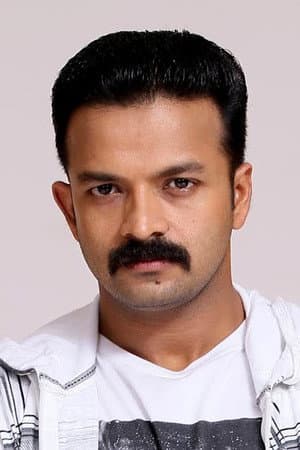
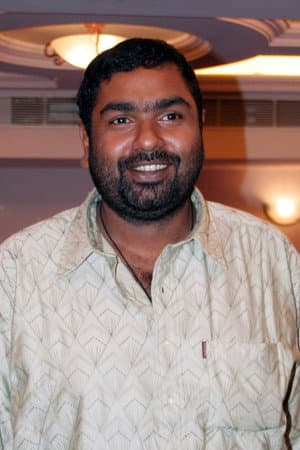
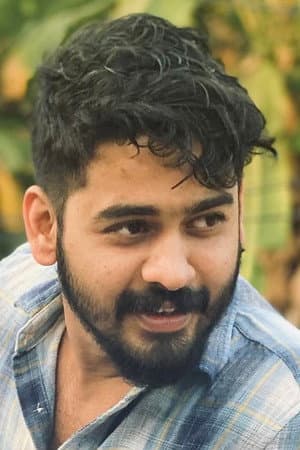
 Photo: TMDb
Two Phases, One Thread
Set the early parts beside the recent lead roles and a pattern appears. The child roles were observational, keeping a young performer inside an adult story. The recent work is participatory, putting him in ensembles where several performers share the weight. What carries across is patience with a scene and comfort in a group. That quality matters in an industry where a single crowded frame often has to hold comedy, threat and family feeling at once. It also explains why the same face keeps returning in films that ask a group to carry the story rather than one figure.
Why the Name Travels
There are practical reasons a reader outside Kerala should know the name. First, the filmography spans nearly two decades, which means the screen record shows a performer growing up in public rather than arriving fully formed. Second, several of the recent titles belong to the kind of ensemble film that travels through subtitles and festival screenings, so his face is likely to turn up on lists of Malayalam films worth seeking out. Third, the roles show a performer who is not fixed to one register: rescue drama, family story, sports comedy, psychological puzzle. For anyone building a viewing map of Malayalam cinema, he is a reliable thread through the last several years of it, and the 2026 titles suggest the thread keeps running. General context on the industry is maintained by Wikipedia. For readers charting a viewing path, Ganapathi S. Poduval: A Career In Malayalam Cinema is best read as a map of a working life rather than a list of highlights.
The through line is simple to state and hard to sustain: a child who learned by watching became a grown performer who works by sharing. That arc, more than any single title, is what makes the career worth following from outside the region.