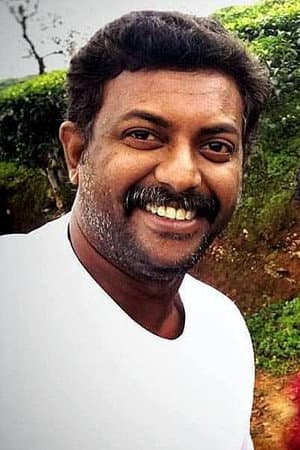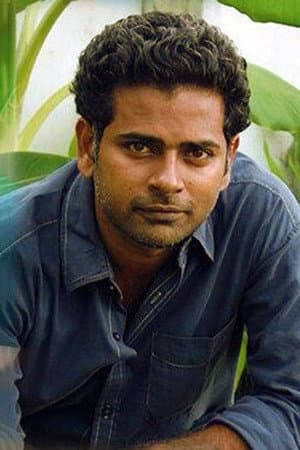
A performer can be in a room for two minutes and still explain the room. That is the quiet work of the supporting layer in Malayalam cinema, and it is where Roshan Shanavas has built a record across five films. None of them places him at the centre of the poster. All of them give him a person to be.
Before the titles, one piece of vocabulary earns its place. In Indian film coverage, the word character artist describes a performer who builds a role from the side of the frame rather than the centre of the poster. It is not a lesser job. It is the work of giving a scene a population, so that the people the plot turns on have somewhere to stand. Roshan Shanavas works in that tradition, and the five films below are the confirmed record of it: Bethlehem Kudumba Unit and Mollywood Times, both from 2026, Aavesham from 2024, and Painkili and Nellikkampoyil Night Riders, both from 2025.
Reading A Character Part Across Five Films
The connective thread is not size of part but fit of part. Across these films he is listed as Glikson, Sujith Raj (Suji), Shanthan, Paachan and Kannan: five named people with five different centres of gravity. Each carries a name a viewer could call across a courtyard, and each belongs to a world with its own rules and its own way of speaking.
That is a specific skill. A character artist has to arrive already settled, because the film rarely spends time explaining who this person is to everyone else. The audience reads it from posture, from how others respond, from whether the room relaxes or tightens when the character walks in. A career of this shape is recognised by a viewer's instinct rather than a film's billing, the moment a familiar face settles a scene before the plot explains why.
Malayalam cinema rewards that instinct in its audiences. The industry's films travel widely, and much of their reputation rests on ensembles that feel like real communities rather than collections of leads waiting their turn. Following a performer like Shanavas is one way to see that machinery at work.
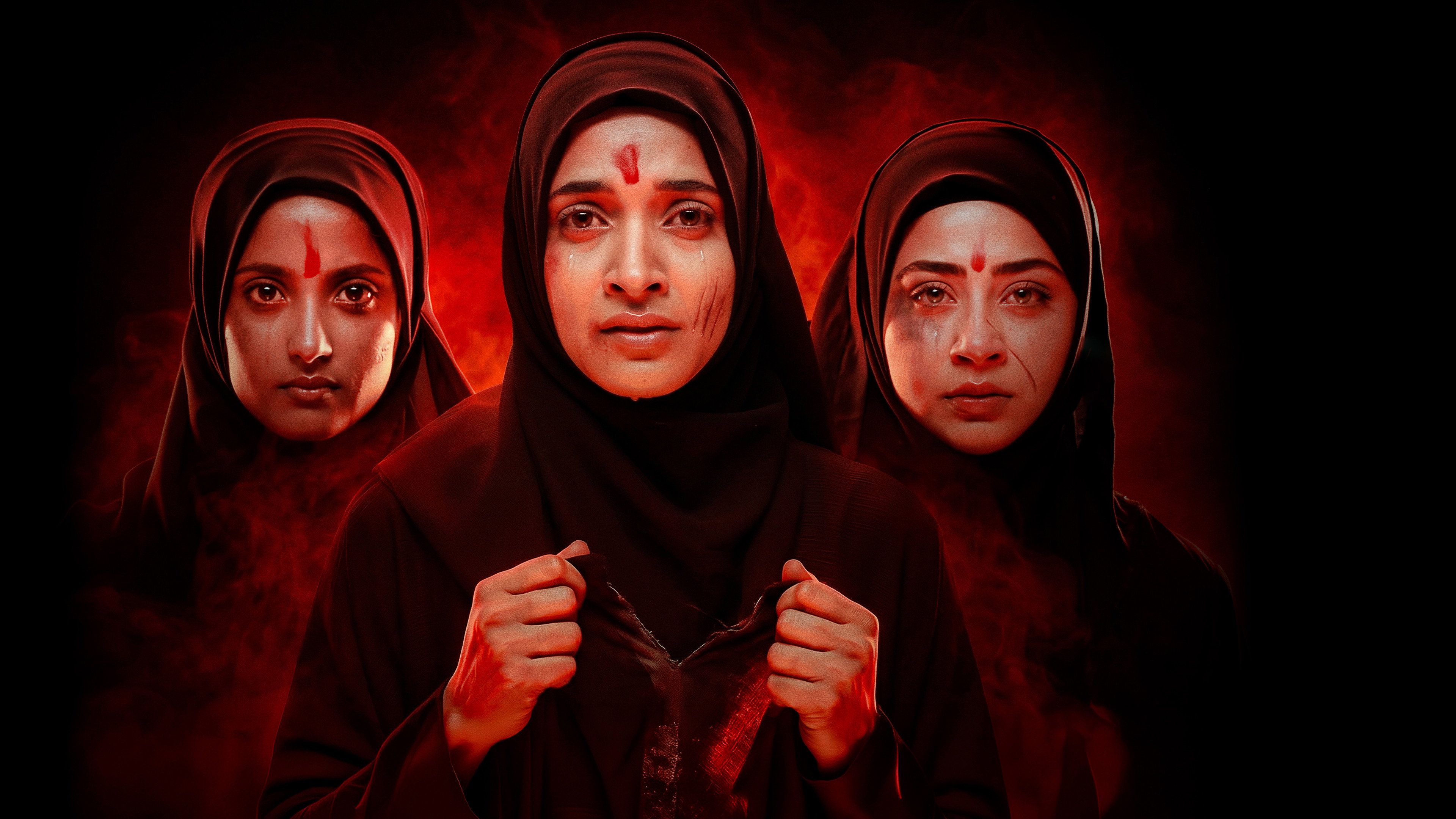 Photo: TMDb
The Films, One By One
Aavesham is the earliest title in the confirmed list and the one that places him in the most widely discussed film of the group, a useful doorway for a viewer meeting him for the first time. He appears as Shanthan, and there is value simply in the situation: a large, loud film with a lot of competing energy around it, where the smaller parts have to hold the edges steady while the centre spins.
Then came two films in one year, two different registers. In Painkili he plays Paachan. Nellikkampoyil Night Riders gives him Kannan and sets him inside a village beside a forest, where myths run thick and a figure with the legs of a horse and the body of a man spreads fear by leaving chicken heads in houses and vanishing into the dark. Folk horror of that kind asks supporting players to hold the ordinary world steady so the strange one can press in. Kannan is part of that ordinary world, and the film's dread depends on it feeling solid.
The two 2026 titles move again. Bethlehem Kudumba Unit has him as Glikson, in a story about Ashley's homecoming from abroad, a wedding next door and memories of a first love named Justin. Domestic, emotional, built on the friction between what a family remembers and what it says aloud. Mollywood Times gives him Sujith Raj, called Suji, in a satire about Vineeth Madhavan's struggle to become Malayalam cinema's greatest horror filmmaker and the toxic industry in his way. One film looks inward at a household, the other turns the camera on the industry itself. For a working performer, both are useful rooms to be in: the industry satire needs people who seem like colleagues, and the family drama needs people who seem like relatives.
What the five have in common is simple and worth stating plainly. Each title gives the character a full name or a firm nickname, and each places that person in a working community: a family, an industry, a village, a gangland. Shanavas appears to be a performer directors cast to make those communities feel populated.