A Performer Who Grew Up On Screen
Mathew Thomas works in Malayalam cinema, the film industry of Kerala in southern India. His screen life began in his teens, which sets him apart from many of his peers. Audiences have watched him move from school corridors to adult anxieties without the usual career reset. The filmography is modest in size but unusually consistent. Read together, the titles mark out the kinds of stories Malayalam cinema has favoured over the past several years: intimate, observational, more interested in ordinary people than in spectacle.
Genre is not what connects the work. Temperament is. Mathew Thomas tends to play young men who are unsure of themselves and not especially good at hiding it. The character type shifts from film to film, but the register stays close to something recognisable. That consistency is why his name registers with viewers even when the film around him is doing something entirely different.
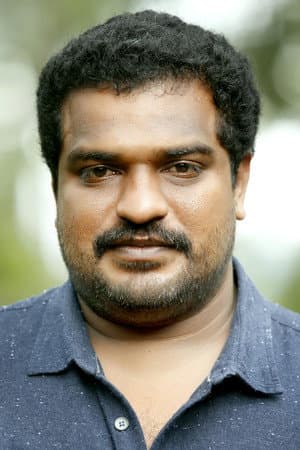
 Photo: TMDb
One term is worth explaining early for readers new to the industry. A filmography is simply the full record of a performer's credited screen work, listed by title. Mathew Thomas: A Career In Malayalam Cinema is, in that sense, a study of a filmography rather than of a single breakthrough.
The Films And What Each Contributed
Kumbalangi Nights (2019) and Thanneer Mathan Dinangal (2019) arrived in the same year and effectively introduced him twice. In Thanneer Mathan Dinangal he plays Jaison, a teenager whose crush on Keerthy is not returned and whose life becomes harder still when he falls foul of Ravi, a new teacher everyone else admires. The part is a study in adolescent resentment, and it gave him the register he would return to often.
The same year's Kumbalangi Nights cast him as Franky, a smaller role in a film with a much larger ensemble. Two years later, One (2021) placed him as Sanal. Anjaam Pathiraa (2020) had already put him in a very different space, as Young Benjamin Louis in a serial killer investigation led by a psychologist drawn to criminology. That detour matters. It showed he was not only a performer of tender coming of age scenes.
Neymar (2023) gave him Kunjava, Journey of Love 18+ (2023) gave him Deepak, and Christy (2023) gave him Roy: three parts in the same year across three different moods. Premalu (2024) is the one that travelled furthest. He plays Thomas in a story about Sachin, a carefree graduate, and Reenu, a spirited IT professional he meets in Hyderabad. Unspoken feelings, career ambitions and life choices test their bond, and the film's reach beyond Kerala did a great deal for his visibility outside the region.
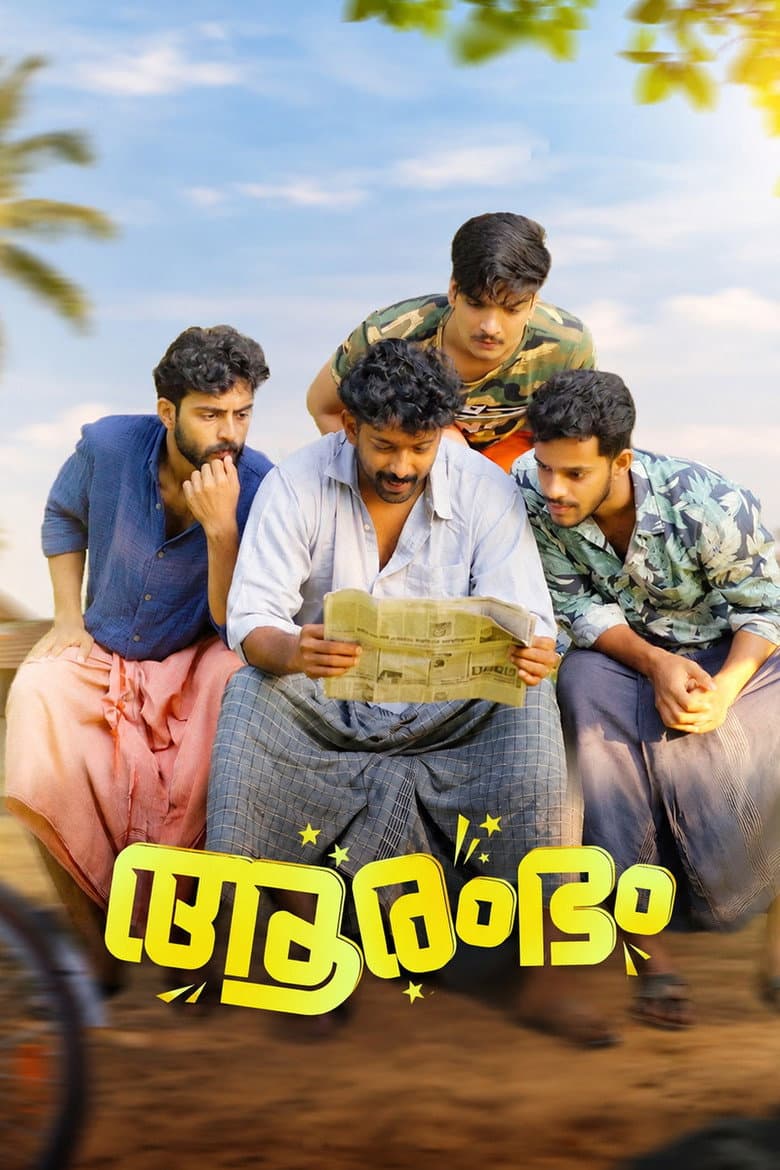
 Photo: TMDb
Cup (2024) followed with Kannan, then Bromance (2025) with Binto, a young man who teams up with his brother's friends on a search for the missing sibling. That premise produces unexpected twists and discoveries along the way. In the two most recent titles on the record, Pradhama Drishtiya Kuttakkar (2026) and Sukhamano Sukhamann (2026), he appears as Sreenath Ayyappan and Theo respectively. The films are listed on his profile at TMDb.
Where He Sits, And Why The Name Is Worth Knowing
Mathew Thomas occupies a specific position in Malayalam cinema. He is not a genre anchor and not a marquee name in the traditional sense. In trade language, a marquee name is a performer whose presence alone is expected to draw audiences into a theatre. Thomas works differently. He is the kind of performer a casting director reaches for when a film needs a young man who feels like someone the audience might actually know.
That is a narrower achievement than it sounds. Malayalam cinema has built much of its recent reputation on realism and on scripts that treat ordinary lives with seriousness. A performer who can hold that tone without appearing to act is central to how those films work. The pattern across his record is fairly clear. He returns again and again to the years between finishing education and becoming an adult, to friendships that carry more weight than anyone admits, and to young men who are more sincere than articulate. Jaison, Sanal, Kunjava, Deepak, Roy, Thomas, Kannan and Binto are not variations on one personality. They are the same age of life approached from different angles.