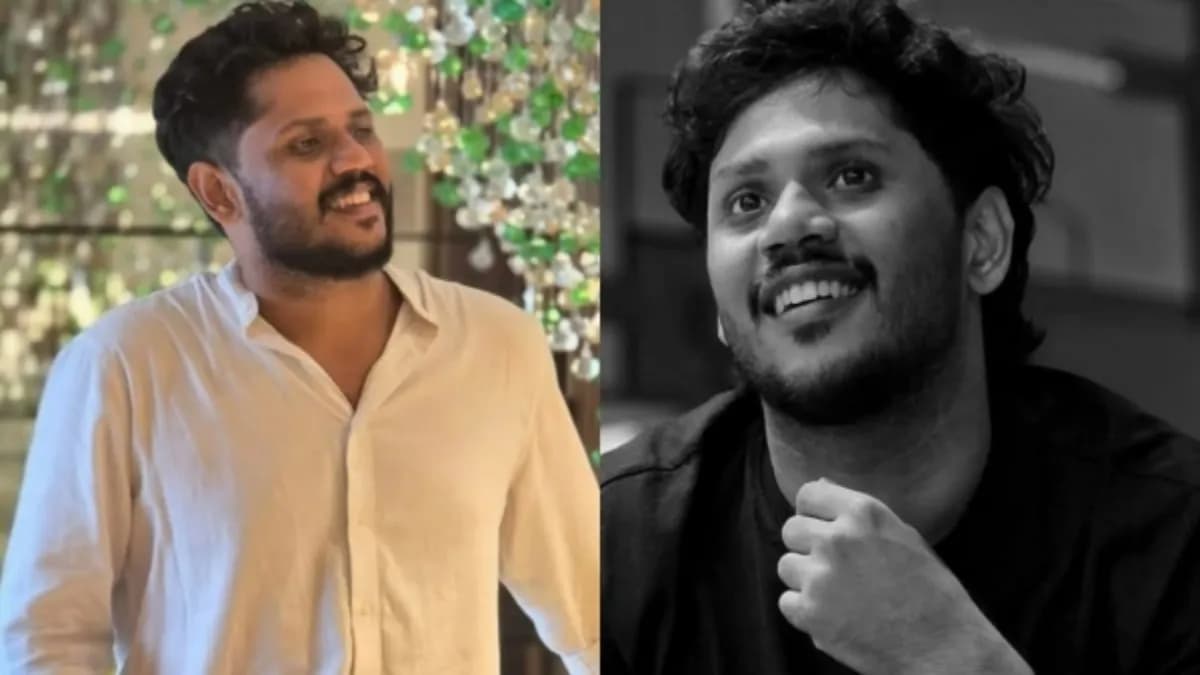
A memory from a wedding day has become the unlikely talking point of the week, with a widely shared anecdote about a young man named Janu drawing fresh attention to the gentler side of a personality many Malayalam audiences thought they already knew. The recollected incident describes how Janu, on arriving at the wedding, opened the conversation by apologising, a small habit those close to him recall as typical of a person they describe as remarkably soft-natured. The observation, phrased simply and with obvious affection, has resonated with readers who say it paints a fuller picture of someone usually spoken about in louder terms.
The account places the exchange at a wedding function, one of those crowded, noisy occasions where greetings tend to be hurried. According to the recollection, Janu did not lead with a greeting or a joke but with an apology, a detail the speaker treats as revealing rather than odd. In the retelling, he is remembered as an extraordinarily gentle young man, the sort of person whose first instinct is to make himself small rather than take up space. The phrase carries no bitterness; it lands as warm, almost protective, the way people speak about someone they genuinely liked.
A Small Detail That Says a Lot
What makes the anecdote travel is less the wedding itself than the behaviour it captures. Malayalam film circles are full of stories about confident entrances and clever one-liners, so a memory built around an unprompted apology stands out. Those who knew Janu in his early years have long maintained that his public image and his private manner sit at a distance from each other, and this recollection fits that view. The wedding setting matters too: it is exactly the kind of social occasion where people are expected to perform, to be sociable, to say the right thing to the right relative. Opening with an apology suggests someone more comfortable absorbing awkwardness than causing it.
Readers responding to the memory have largely treated it as confirmation of something they had long suspected. Many noted that gentleness of that sort is rarely captured on camera, and that the people best placed to describe it are friends and family rather than interviewers. The anecdote also offers a useful reminder of how reputations get built in the industry: a single loud role or a confident public appearance can harden into a persona, while quieter qualities remain in the background until someone chooses to bring them forward.
Why Such Recollections Matter
Malayalam cinema has always maintained an unusually close relationship with its audiences, and the informal history of the industry is carried as much by anecdotes like this one as by official records. A story told at a wedding, repeated at a family gathering and eventually shared more widely forms part of how a figure is remembered. These recollections are not always flattering, but the best of them add texture, reminding audiences that the people on screen lead ordinary social lives in which small courtesies count.
There is also something timely about the way the memory has landed. Conversations about how performers are perceived, and how quickly a public impression can become fixed, have become a regular feature of Malayalam film discussion. The wedding anecdote cuts against the grain of that conversation by insisting on nuance. It does not argue that the louder impression is false. It simply suggests that there was more going on, and that the more interesting part was quiet.
For now, the recollection stands on its own, with no further details offered about the wedding, the year, or the people present. That restraint is part of its appeal. It asks readers to accept a small, human observation without demanding proof, and in doing so it places the emphasis where the speaker clearly wanted it: on the character of a young man remembered as profoundly gentle. In an industry that trades heavily in image, that is a modest but meaningful sort of tribute, and one that Malayalam audiences seem happy to hold on to.
Source: Filmibeat Malayalam