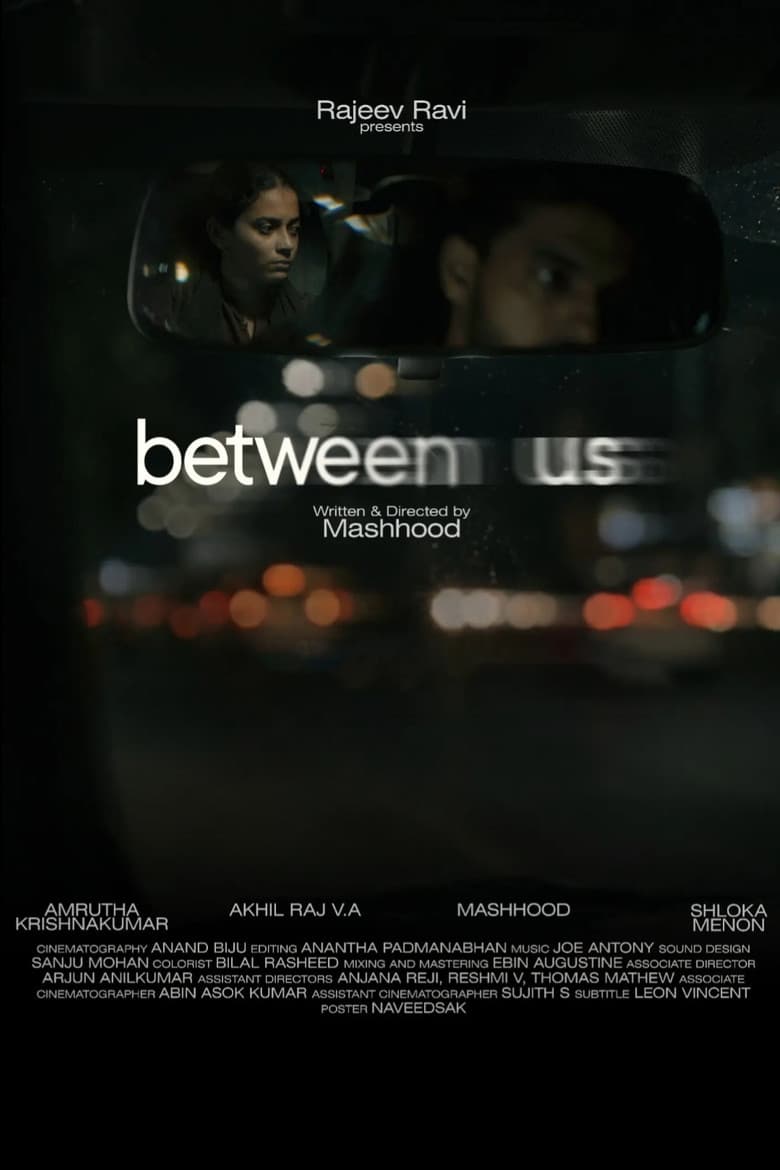
There is a particular kind of quiet that settles inside a moving car at night. Not the silence of an empty room, but something more charged - the shared, unspoken agreement between two strangers that neither of them is required to perform. It is this delicate, fragile atmosphere that director Mashhood explores in his new short film, Between Us, a sixteen-minute Malayalam piece that has been quietly gathering attention since its release on Halloween.
The logline is deceptively simple: an unexpected ride for an Uber driver becomes a journey where the silence between them is louder than the traffic outside. But within that premise, Mashhood has constructed a narrative that seems to probe the small, uncelebrated spaces where human lives intersect and drift apart. The film, produced within the Malayalam industry, is a study in restraint, choosing to focus on the unspoken over the explicit.
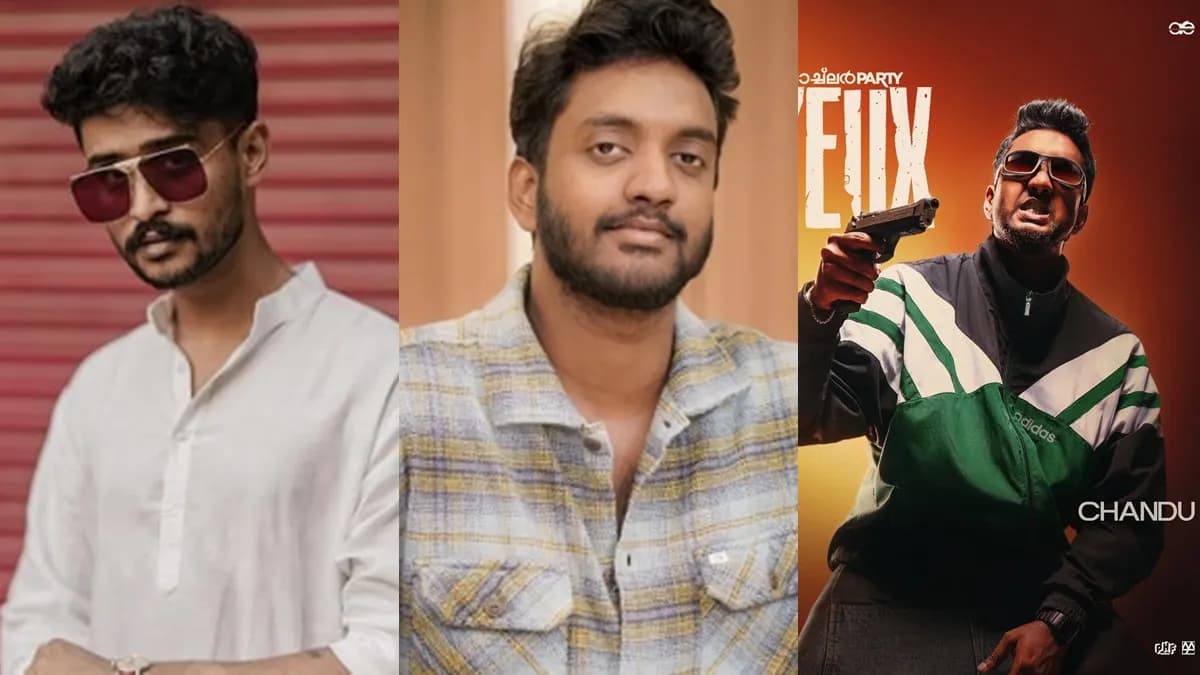
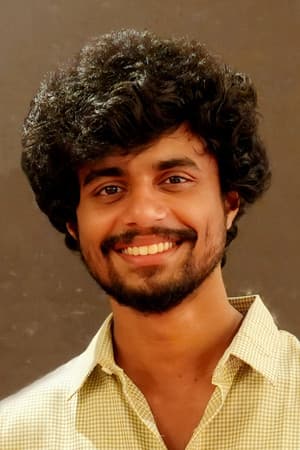
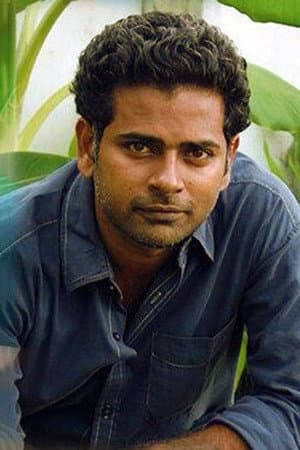
What is immediately striking about the project is its casting. Mashhood himself steps in front of the camera to play the Cab Driver, a decision that suggests a deeply personal connection to the material. He is joined by Amrutha Krishnakumar as the Wife and Akhil Raj VA as the Husband, with Shloka Menon appearing as the Daughter and Joseph Charly Augustine as the Friend. This ensemble brings a naturalistic, almost documentary-like quality to the proceedings, appropriate for a story that unfolds in the intimate, confined space of a vehicle.
The film is not concerned with grand, sweeping gestures. Instead, it mines the drama from the granular details of a routine night shift. A driver accepts a fare. The passenger, or passengers, are not entirely what they seem. As the car navigates the streets of a sleeping city, the narrative leans heavily on the psychological terrain of its characters. The tension, as the synopsis suggests, is not derived from what is said, but from what is held back - the pregnant pauses, the averted glances in the rearview mirror, the weight of a story that is refusing to be told.
In many ways, Between Us is a film about the burden of proximity. In modern life, we are perpetually wrapped in compartments of transit, sharing our most intimate spaces with strangers for brief, fleeting durations. Mashhood’s script seems to tap into the anxiety and the accidental intimacy of these encounters. The Uber driver, a figure of everyday urban utility, is reframed as a silent witness, a captive audience to a domestic drama that might be unfolding in his back seat, or perhaps just in his own mind.
For fans of Malayalam cinema who are accustomed to the industry’s longstanding love affair with realism and socially rooted narratives, the film promises a return to form. It is not a cinematic event that announces itself with fanfare. There are no heroics, no musical numbers to lighten the mood. It is a stark, dialogue-light exercise in mood and observation. The runtime, clocking in at just sixteen minutes, is a testament to this economy of storytelling; there is no room for excess, only for the essential rhythm of the ride.
As of today, the film’s TMDb rating sits at zero, a blank slate that speaks more to its independent, under-the-radar distribution than to its actual quality. It is the kind of project that often gets lost in the shuffle of the vast entertainment landscape, a small, ambitious flick made by people focused on the craft. Its release on October 31st offered an alternative to the usual festive fare - a quiet, contemplative ride for those willing to take a seat in the passenger row.
Between Us is not a film that will likely be debated in a cacophony of online space. Its power lies in its stillness. It asks its audience to lean in, to listen to the gaps, to find the story in the negative space between the words. It is an invitation to experience the city from a different angle - through the windshield of a car at night, where the silence is indeed louder than the traffic, and the presence of another person is both a comfort and a burden.