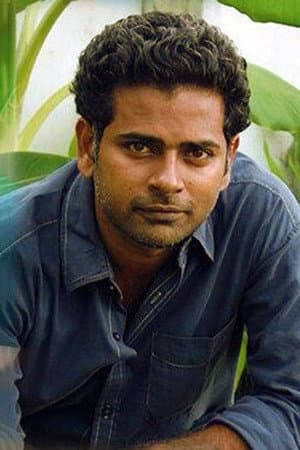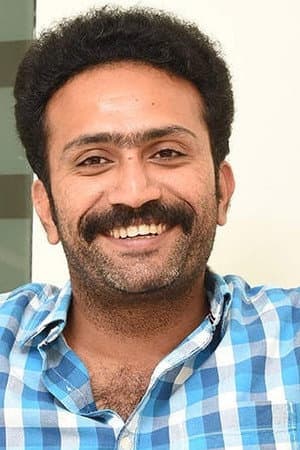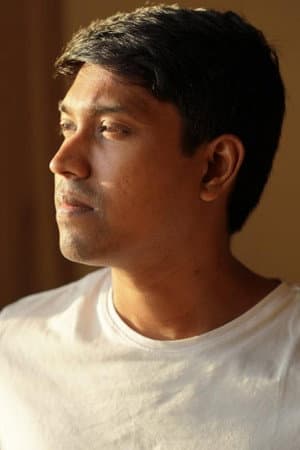
To understand Althaf Salim, look at the shape of the whole body of work rather than singling out one title. TMDb's biography describes him as an Indian film director who also works in front of the camera in the Malayalam film industry. Malayalam cinema is the film industry centred in Kerala, working in the Malayalam language, and it is one of several large regional industries in India. Readers who follow it from outside the region usually meet its performers through the films that travel. The case for this one rests on range rather than on a single signature part. The credited parts in the confirmed filmography span more than a decade. Several arrive in smaller films, where a supporting face carries a disproportionate share of the tone.
The Films and What Each Added
From Premam to the Early Supporting Parts
The confirmed list opens with Premam (2015), where the credited part is Jahangir. The brief confirms the title, the year and the character name and nothing more, so treat that entry as the marker for where the on screen work begins. It is the earliest title on the record. Everything that follows reads best in sequence from it.
The Comic and Workplace Register
The parts that followed show how he fits into ensembles. In each case he is a single figure inside a larger structure, not the structure itself. Premalu (2024) credits him as Shobi Sir. The film follows two young people who meet in a city away from home, and it places him inside a comedy built on that meeting. Operation Java (2021) credits him as Shanu and belongs to the procedural register, a term for stories that follow the step by step work of an investigation. Mukundan Unni Associates (2022) credits him as Suresh. Read together, these three show a performer who can be comic in one film and procedural in another without the approach reading as a change of profession. The supporting part is the constant.
Weight and Warmth
A second group carries more weight and more warmth. Mandakini (2024) credits him as Aromal. Innocent (2025) credits him as Vinod Prashanthan. Sarvam Maya (2025) gives him a delivery boy, a small part named by occupation rather than by a personal name, useful evidence of how modest some of these roles are on paper. Hridayapoorvam (2025) goes further and credits the part with his own name. A performer playing a version of himself is a small thing in a filmography and a telling one in a career, because it depends on the audience already knowing the face.
2026 and the Broader Canvas
The later entries widen the canvas. Mollywood Times (2026) credits him as Sunil Ettan, in a story about a man trying to become Malayalam cinema's greatest horror filmmaker and the industry that stands in his way. Secret of Kalinga (2026) credits him as Krishnan, in a comedy about a college built on the land of an ancient kingdom and a sealed forest well that students open on New Year's Eve. One is a film about filmmaking, the other a comedy built on a college and a sealed well: two very different productions. Pluto (2026) credits him as Pluto, and The Pet Detective (2025) gives him a rage room owner, another part named by what the character does for a living.
Where the Name Sits
The returning patterns are clear enough to name. These are supporting parts, often comic, and often the character who grounds a scene rather than drives it. The industry term for this kind of performer is a character actor, meaning someone known for distinctive smaller roles rather than for leads. It is not a lesser category. An ensemble only holds if the smaller figures hold their corners. The range across these titles, from a procedural to a workplace comedy to a film about filmmaking, is the range a character actor is asked to supply.
The brief documents no honours for this work, so none are claimed here. What it documents is a steady run of credits across more than a decade, in films that vary widely in subject and scale.
For a reader outside Kerala, the likely experience is recognising the face before the name. That is not a small thing. It is what a body of supporting work builds over time, one scene at a time, until the presence itself becomes familiar. The argument for Althaf Salim is not a single title. It is the whole list, taken together, and the way each entry adds a different kind of weight to the same steady centre.