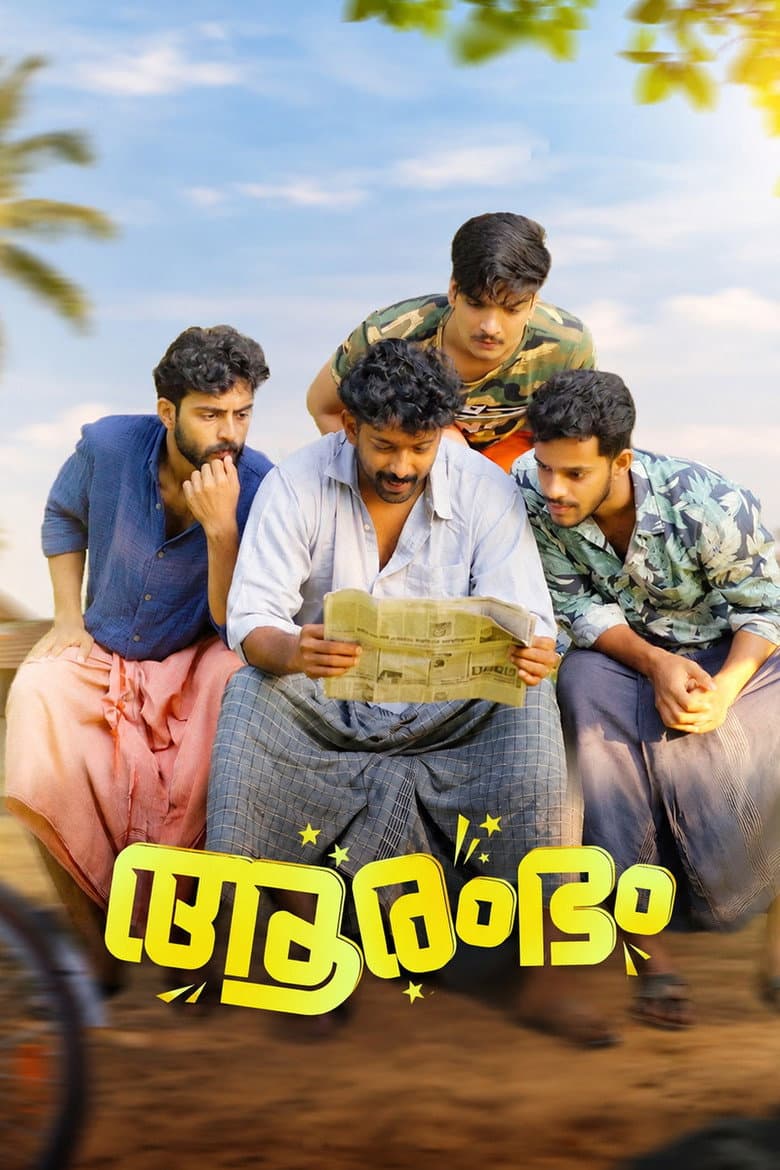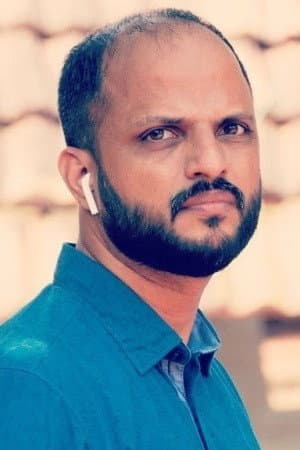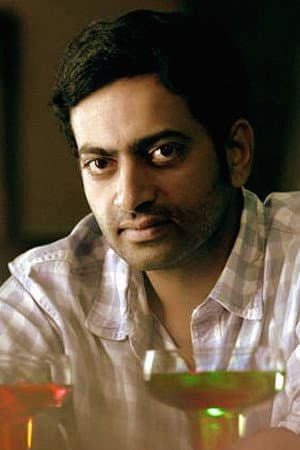
Saiju Kurup: A Career In Malayalam Cinema is not the story of one star-making vehicle. It is the story of a working performer who built a filmography the slow way, one supporting part at a time, until the face became inseparable from the texture of the movies themselves. The TMDb biography keeps it simple: an Indian performer who works predominantly in Malayalam cinema and occasionally in Tamil cinema. That sentence hides a more interesting truth. This is a body of work stretching across roughly two decades and dozens of credits, most of them in the middle of the frame rather than at its centre. For readers who follow the industry from outside the region, that is exactly the kind of career worth understanding. The middle of the frame is where Malayalam cinema does much of its real work.
A Steady Presence Across Two Decades of Malayalam Cinema
A Comic Register Built One Character at a Time
Comedy in Malayalam cinema rarely belongs to one person. It is an ensemble craft, and the performers who last are the ones who can hand a scene to the person next to them and still walk away with something. Saiju Kurup's comic register was assembled that way, character by character, across small parts that could easily have been forgettable.
Timing and ordinariness connect the work. He plays men who seem unremarkable until the scene demands otherwise: the friend, the neighbour, the official, the brother-in-law. Each gets a specific voice and a specific set of nerves. That is why the parts add up instead of blurring together.
Patience is the through line of Saiju Kurup: A Career In Malayalam Cinema. He did not arrive as a lead, and he did not need to.
The Films That Made the Name
Trivandrum Lodge and the Ensemble Breakthrough (2012)
Trivandrum Lodge, from 2012, is often the film people name first. He appears as Shibu Vellayini, one thread in a large ensemble. The film's reputation rests on its cast working as a single organism. A performer who can hold his own inside that kind of crowd scene, without pushing for attention, tends to get called again.
Aadu and Its Sequels: Arakkal Abu Returns (2015, 2016, 2026)
The Aadu films gave him Arakkal Abu, a role he has returned to across Aadu (2015) and Aadu 3 Part 1 (2026), which TMDb describes as comic chaos built on reincarnations and multiple timelines. In Malayalam film culture, a role an audience will follow across instalments amounts to tenure. The character has entered the language.
The Policeman Parts: Captain (2018) and Action Hero Biju (2016)
He plays police officers twice, and differently each time. In Action Hero Biju (2016) he is Circle-Inspector Manoj. In Captain (2018) he is SP Gupta IPS. The two parts show the range the uniform allows, from procedure to authority, and they sit inside a wider Malayalam tradition of films about how police work actually functions at street level.
The Family and Crime Roles: Diés Iraé (2025), Sumathi Valavu (2025), Bharathanatyam 2 Mohiniyattam (2026)
The later credits move into darker territory. In Diés Iraé (2025) he plays George, in a story about a man whose comfortable life unravels as he becomes convinced something supernatural shares his home. In Sumathi Valavu (2025) he is Hari, and in Bharathanatyam 2 Mohiniyattam (2026) he plays Sasidharan Nair, part of a family whose attempt to settle a late relative's second wife and son turns into an unexpected crime and a cover-up. Older credits fill in the same picture: Alamara (2017) as Prasad, Kala Viplavam Pranayam (2018) as Rameshan, KL10 Pathu (2015), Guardian (2021) as Dr. Arun. Here is a performer who moves between comedy and unease without changing his approach.
What The Career Adds Up To
Why a Viewer Outside Kerala Should Know the Name
Malayalam cinema is frequently described as an ensemble industry. Even films fronted by one big name are carried by a deep bench of recognisable performers. Saiju Kurup belongs to that bench, and the bench is the reason these films feel populated rather than staged.
For anyone following Malayalam film from outside India, his filmography works as a map. The comedies teach you the rhythm of the humour, which is drier and more conversational than most Indian comedy. The police films show you the industry's interest in institutions. The recent family and supernatural titles, among them Diés Iraé, Sumathi Valavu and Bharathanatyam 2 Mohiniyattam, point at where the industry's mood has moved: tighter stories, smaller budgets, moral mess.
You can trace that movement on IMDb or browse the Wikipedia entry on Malayalam cinema for the wider context. Either way, the lesson of Saiju Kurup: A Career In Malayalam Cinema is a simple one. Watch the supporting cast closely. In this industry, that is where the craft lives.