Some performers arrive in Malayalam cinema through a single, loud announcement. Others accumulate. Nivin Pauly belongs to the second group, and that is exactly what makes his filmography worth tracing. The journey runs from a supporting part in a 2010 campus comedy to leading roles across romantic dramas, black comedies, sports stories and ensemble pictures, then onward to a recent stretch of titles that keep changing the terms.
This piece examines Nivin Pauly: A Career In Malayalam Cinema as a body of work rather than a set of headlines. It looks at the films, the kinds of characters he returns to, and the reasons a viewer outside Kerala might find the name familiar without quite knowing why. For readers new to the industry, a quick note on vocabulary: "Malayalam cinema" refers to the film industry based in the southern Indian state of Kerala, making movies in the Malayalam language.
The Breakthrough Years And The Films That Built A Following
The earliest credit in the confirmed filmography is Malarvaadi Arts Club (2010), where he played Prakashan, a role that placed him inside an ensemble rather than at its centre. Cameo work followed in Traffic (2011) and a part in Bhoopadathil Illatha Oridam (2012). Both kept him visible while he learned the rhythms of a set.
Thattathin Marayathu (2012) changed the shape of his career. The romantic film brought him wide recognition, and recognition in this industry usually translates into more offers of the same type. For a while, that is exactly what happened. Then came Neram (2013), a bilingual black comedy thriller. "Bilingual" means the film was made in two languages at once, with the same story shot and released in each. A black comedy, meanwhile, finds humour in dark or uncomfortable situations. Playing a pivotal role in that film signalled he was not going to stay inside one register.
The following year widened the picture further. Bangalore Days (2014) cast him as Krishnan PP, a character usually shortened to Kuttan, in a multi-strand story about cousins navigating adult life. That same year, 1983 (2014) placed him inside a sports drama, a genre that leans hard on the lead performer to carry both the training montages and the emotional payoff. And 5 Sundarikal (2013) had already shown him working within an anthology, where a short segment requires a performer to establish a character without the runway of a full feature.
A Run Of Roles That Tested Range And Tone
By the middle of the decade, Nivin Pauly was a reliable box-office presence, and the films he chose started to push against the image that had made him one. Premam (2015) gave him the role of George David across a story that moves through distinct phases of a man's romantic life. The structure demands a performer shift age, posture and temperament without the help of heavy prosthetics.
He also began producing, a step many Malayalam performers take once they want a say in which stories get made. The confirmed filmography here focuses on his screen work, but the production interest is part of how his career is understood.
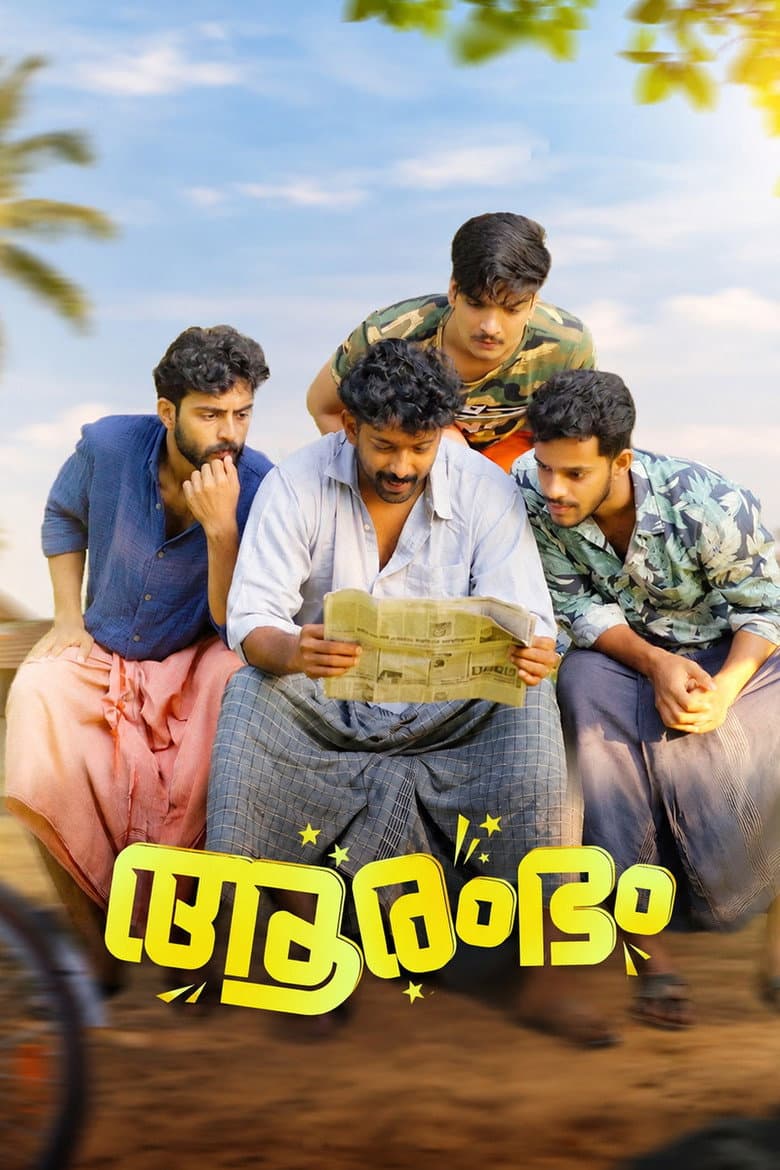
Aanandam (2016) placed him in the role of Akash, and ensemble college stories of that kind depend on a lead who can share the frame rather than dominate it. Love Action Drama (2019) played in a more commercial register, the kind of title that asks for timing and charm above all. Across these years, a pattern emerges: he alternates between films that trade on familiarity and films that deliberately unsettle it. The 2013 anthology segment, the bilingual thriller, the sports drama and the campus ensemble do not share a genre. What they share is a willingness to be one voice among several.
Where He Sits In Malayalam Cinema, And Why The Name Travels
Malayalam cinema is a comparatively small industry with a large reputation, known well beyond its home state for tight scripts and modest budgets spent carefully. Within that ecosystem, a performer of Nivin Pauly's kind occupies a particular place: commercially viable enough to open a film, curious enough to keep audiences guessing about what comes next.
For readers outside the region, the name travels for a few reasons. The films of the breakthrough period found audiences well beyond Kerala, through diaspora screenings and later through home viewing. His willingness to work across comedy, romance and thriller means there is usually an accessible entry point for someone unfamiliar with the language. And his career arc is legible even to a newcomer: a supporting player who became an ensemble anchor, then a lead, then a producer with an interest in odd material.
Awards reflect some of this. He has received two Kerala State Film Awards and three Filmfare South awards, according to his TMDb biography, recognition that sits alongside commercial standing rather than replacing it.