Malayalam cinema, the film industry of Kerala in southern India, has a long tradition of performers who arrive quietly and then become difficult to ignore. Naslen K. Gafoor, born on June 11, 2000, belongs to a younger group of names whose work has travelled far beyond the state. This piece looks at Naslen: A Career In Malayalam Cinema as a body of work, tracing the roles that built it and the instincts that hold it together.
A Performer Shaped By The Malayalam Coming Of Age Film
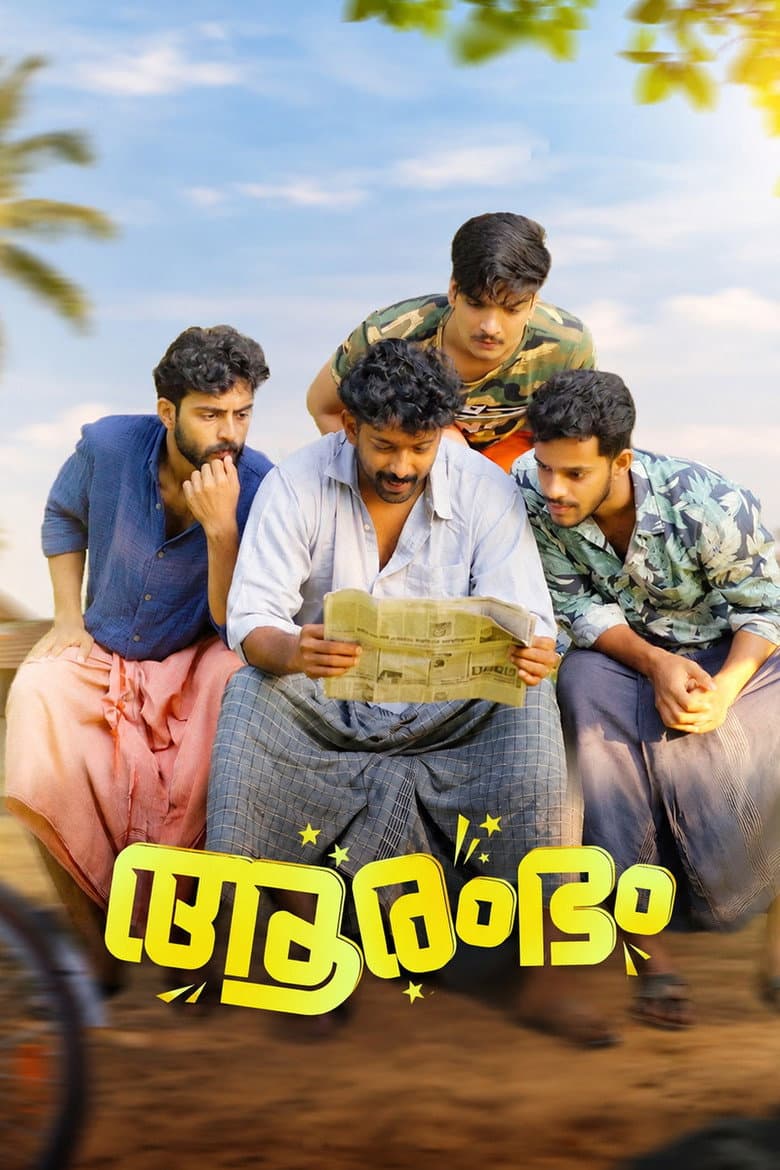
He first became widely known through Thanneer Mathan Dinangal (2019), in which he played Melvin. A performer's "breakout" role is the part that first makes a wide audience take notice, and for Naslen that was Melvin. The film sits at the centre of a wave of Malayalam titles about school and college life. His early recognition grew out of that wave rather than arriving on its own.
A smaller part followed in Varane Avashyamund (2020), where he played Young Bibeesh. It was a reminder that his early work included ensemble pieces, not leads alone. That grounding in youthful, small-town and campus stories is the thread running through almost everything that came after. It also explains the particular ease he brings to a certain kind of Malayalam film: conversational, rooted in ordinary towns, more interested in how young people talk than in how they might be transformed.
The Films That Built The Career
Small Parts, Distinct Voices
Across a short span Naslen worked steadily rather than selectively. In Super Sharanya (2022) he played Sangeeth, a supporting part in a film about Sharanya, an ordinary small-town girl from Palakkad who moves to Thrissur for higher studies and finds herself changing as she meets Deepu. Makal (2022), with Naslen as Rohit, and Kuruthi, a title in his wider filmography, widened the range of material he appeared in.
Valatty (2023) was a genuine departure: he voiced a street dog, showing that his work was not confined to on-screen roles. Neymar (2023), in which he played Sinto Chakkola, and Journey of Love 18+ (2023), as Akhil, kept him close to the young, comic, friendship-driven register that audiences had come to associate with him.
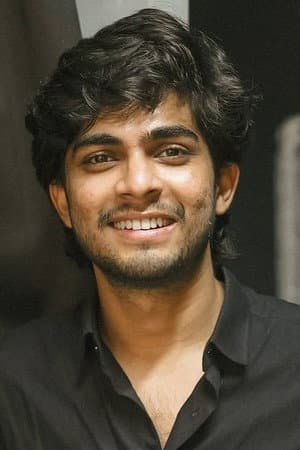
 Photo: TMDb
Premalu And A Wider Audience
Premalu (2024) changed the scale of his visibility. Naslen played Sachin Santhosh, a carefree graduate who crosses paths with Reenu, a spirited IT professional, in Hyderabad. As their friendship deepens, unspoken feelings, career ambitions and life choices challenge their bond. The film went on to become one of the highest-grossing Malayalam movies of all time and earned him recognition in states beyond Kerala. I Am Kathalan (2024), with Naslen as Vishnu, arrived in the same period. Together, the two show a performer moving from the reliable supporting presence of the early years into the centre of a film.
Two further roles followed in the same stretch: Sunny Kurian in Lokah Chapter 1: Chandra (2025), a film about Chandra, a mysterious, goth-influenced woman newly arrived in Bangalore who takes night shifts at a café, and whose neighbour Sunny becomes infatuated with her routines and strange visitors; and Jojo Johnson in Alappuzha Gymkhana (2025).
Mollywood Times (2026), in which he plays Vineeth Madhavan, a man trying hard to become Malayalam cinema's greatest horror filmmaker, is the most recent title in the confirmed list. It is also the clearest sign yet of a career willing to move between tones.
What Returns, And Why The Name Travels
The Roles He Comes Back To
Two patterns hold across the filmography. The first is the young man in transition: a student, a graduate, a bachelor sharing a flat, someone whose ambitions and affections have not yet settled. Melvin, Sinto, Akhil, Sachin and Sunny all belong to that family of characters. The second is patience with supporting work. Super Sharanya and Varane Avashyamund placed him inside other people's stories, and that habit of serving a film rather than a role is part of what makes his leading turns feel unforced.
His work is recognised for comedy that stays light rather than broad, and for a screen presence that reads as ordinary, which is exactly what these films need. When a performer can hold the middle of a scene without pushing for attention, directors can build around him. The audience, in turn, trusts the world he stands in.