Meena: A Career In Malayalam Cinema is a story of unusual range. Few performers in the South Indian industries have moved as easily between languages, formats and tones. Fewer still have carried a single character across more than a decade of films. For readers who follow Malayalam cinema from outside the region, her name is one of the most useful doorways into how this industry works.
The Range of a Long Career
Meena began as a child artist in the Tamil film Nenjangal in 1982 and went on to work across several regional industries, including Malayalam cinema. For readers outside the region: "child artist" is the industry term for a performer who begins working as a minor, often in supporting roles, before moving into adult parts.
That path matters. A performer who starts young learns the mechanics of a set early: marks, lighting, waiting, retakes, the rhythm of a shot. By the time adult roles arrive, the camera is familiar rather than frightening. Meena's career reflects that grounding. She has worked in Tamil, Telugu, Malayalam, Kannada and several Hindi films, and is among the few performers to have been successful in all the South Indian languages.
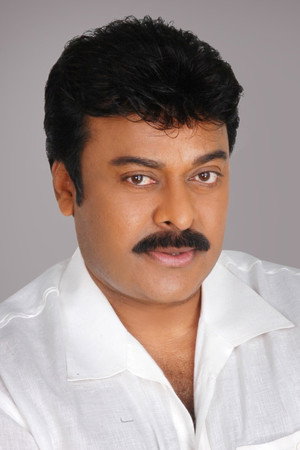 Photo: TMDb
The Malayalam Filmography
The Drishyam thread
The clearest example of her range sits in a series. The three films Drishyam (2013), Drishyam 2 (2021) and Drishyam 3 (2026) all cast her as Rani. The first follows a family whose life turns when a daughter is filmed without her knowledge. The second returns to the same family seven years on, living with the trauma of that night, as an investigation closes around them again. The third places the family against a new and organised threat.
Carrying one character across a long stretch of a series is a specific craft problem, and an underrated one. Rani is not the same woman in each film. She is a mother in an ordinary household, then a mother carrying something heavier, then a mother watching the walls come in again. The continuity of a performer is what makes that progression legible to an audience. Meena: A Career In Malayalam Cinema can be read almost entirely through this role, and it would still be a substantial body of work.
A second register: comedy and family drama
The filmography is not built on one mode. Udayananu Tharam (2005) and Chandrolsavam (2005) come from the same period but ask for something different, and both sit closer to comedy and drama than to suspense. Munthirivallikal Thalirkkumbol (2017) and Bro Daddy (2022) place her in family settings. The first centres on a married man whose routine is unsettled by a college reunion, rekindling excitement in a long marriage and a renewed sense of purpose. Katha Parayumbol (2007), Magic Lamp (2008), Shylock (2020), Olympian Anthony Adam (1999) and Varnapakittu (1997) round out a body of work that moves between comedy, drama and suspense.
Read that list as a set and a pattern appears. These are not films that depend on spectacle. They depend on households: marriages that have gone quiet, families under strain, small domestic textures that a performer has to make believable rather than dramatic. That is a different skill from holding a suspense plot together, and it is the one that keeps a career alive across decades.
What Holds the Work Together
The roles she returns to
Wives, mothers and women holding a household together recur across the filmography. What changes is the pressure applied to those roles. In one film the family is under investigation. In another the marriage has gone quiet. In a third the threat is organised and deliberate rather than accidental.
Readers outside the region will recognise the same performer in both. The face is the same; the weight behind it is not. This is why the mother in a family drama and the mother in a crime film can be the same woman without either role feeling like a repeat. The role is a constant. The situation does the work.
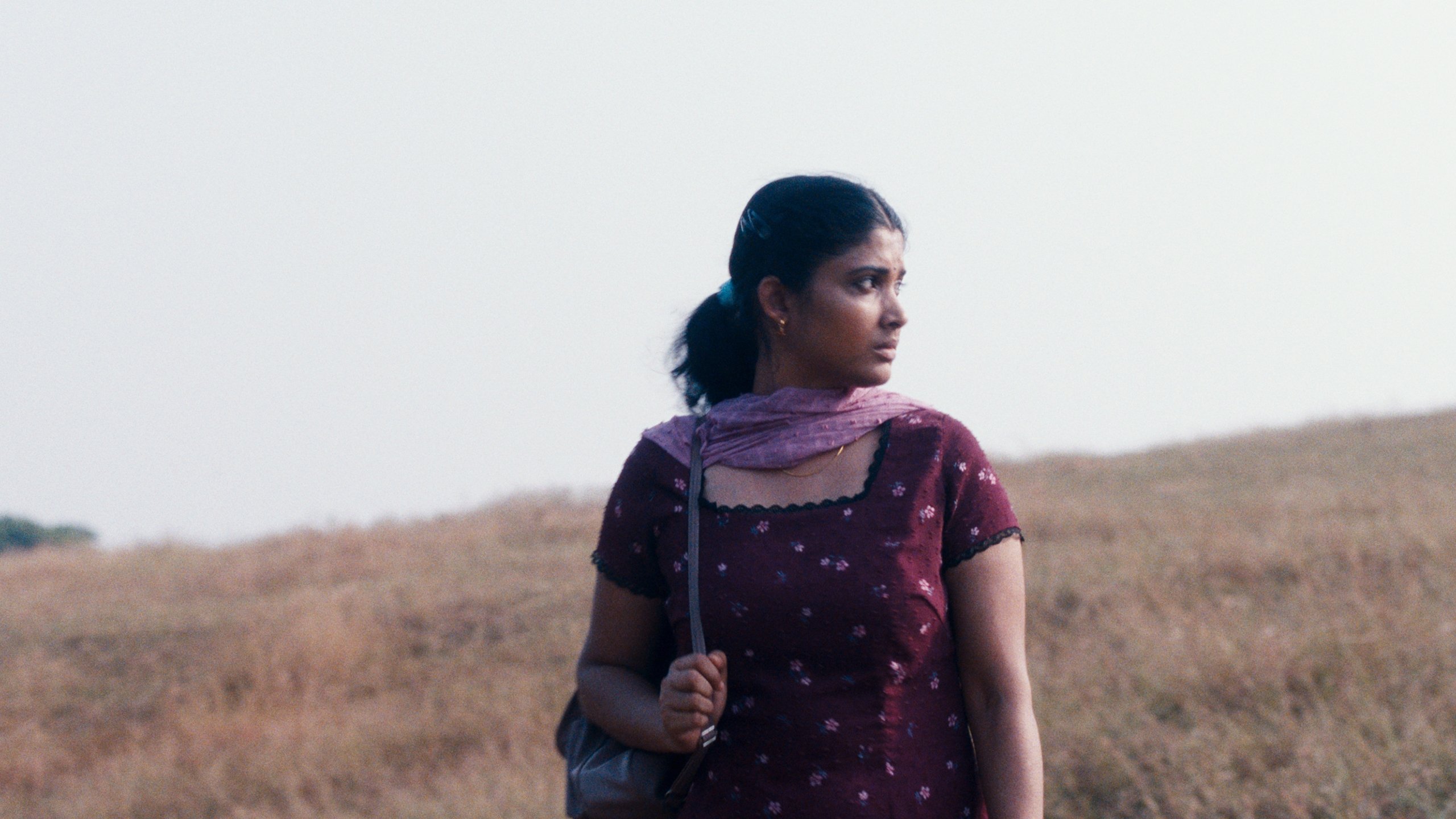 Photo: TMDb
Why the name matters
Meena is among the few performers to have worked successfully across all the South Indian languages, which makes her a useful entry point for anyone learning how these industries share talent. The same faces move between Chennai, Hyderabad, Bengaluru and Kochi, and careers are built across those borders rather than inside one.