Kunchacko Boban: A Career In Malayalam Cinema is, on the surface, the story of one performer. Look closer and it is a map of how Malayalam cinema itself changed over nearly three decades, from the glow of youthful romance to the hard edges of the procedural.
He arrived as a grandson of the filmmaker Kunchacko, a lineage that invites expectation before a single frame is shot. What the career has done with that inheritance is the more interesting question. The biography on TMDb frames it as a graceful transition from romantic heartthrob to one of the industry's most versatile leading men. That word, transition, is doing a lot of work. Most performers do not survive their own opening image. He did.
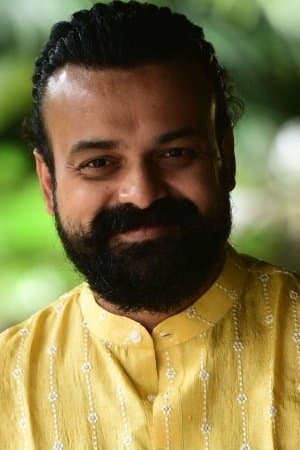
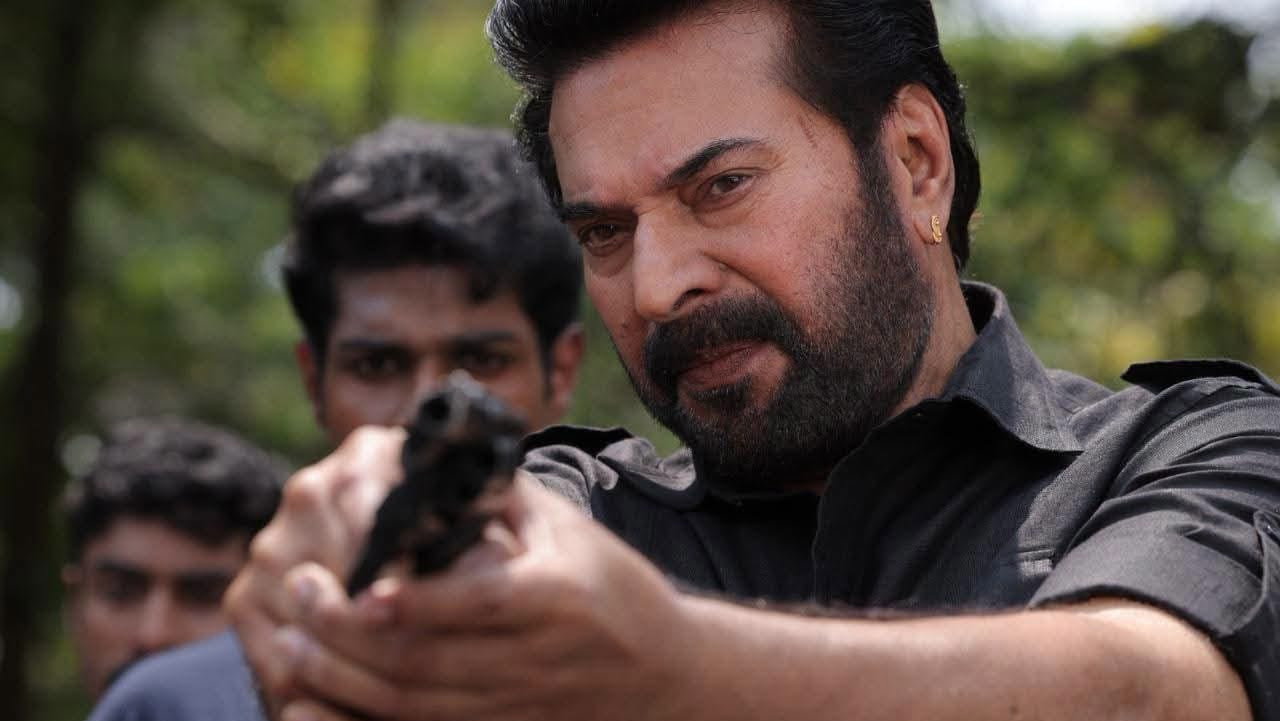 Photo: TMDb
From Romantic Lead to Character Mainstay
His debut in Aniyathipravu (1997) became a blockbuster and handed him a label that would follow him for years: the "Chocolate boy" of Malayalam cinema. For readers outside the region, the phrase is industry shorthand for a young lead marketed on charm and romance rather than action or heavy drama. It is a compliment and a cage at once.
The run that followed locked the image in. Harikrishnans (1998), Niram (1999), Sathyam Sivam Sundaram (2000), Swapnakoodu (2003) and Kasthooriman (2003) made him a favourite in youthful romances, and the audience knew exactly what it was buying: a certain lightness, a certain ease, a hero who could carry a love story without raising his voice. That is a real skill. It is also a narrow door. The tension his later work answers is simple to state and hard to escape. What does a performer do once the image stops fitting the face?
The Films That Reset the Terms
The middle stretch did not announce a reinvention. It accumulated one. Hridayathil Sookshikkan (2005), a special appearance in Twenty 20 (2008) for the song "He Dil Deewana", and Mallu Singh (2012) as Ani kept lighter parts running alongside ensemble work. Cousins (2014) as Sam stayed in the crowd-pleasing register.
Then came Take Off (2017). As Shaheed, he moved into a film built on an ensemble and a real-world crisis, a role that asks for restraint rather than charm. Virus (2019), as Dr. Suresh Rajan, placed him inside another large, multi-strand ensemble, this one about institutions under pressure. The lesson of those two films is worth pausing on, because it is the hinge of the whole career. This is where a lead becomes a piece of an ensemble and stays a lead anyway. The billing does not shrink. The job changes.
 Photo: TMDb
The investigator, again and again
Anjaam Pathiraa (2020) gave him Dr. Anwar Hussain, a psychologist with an interest in criminology drawn into a serial killer case the police cannot crack. His first real test as a solo anchor in a dark procedural, and he carried it without the old charm doing the heavy lifting.
2018 (2023), the Kerala Floods disaster film, returned him to the ensemble as Shaji Punnoose, a story about collective survival rather than any single hero. Officer on Duty (2025) cast him as Harishankar, a demoted police inspector chasing a counterfeit jewellery racket and the crime web around it. Patriot (2026) made him Michael Devassy, a Malayali DRW analyst who tries to expose a corrupt regional politician over spyware, goes on the run, becomes a vlogger and must clear his name.
In the same period, Unmadham (2026) as CPO Shelly K and Oru Durooha Saahacharyathil (2026) as Sethu, on which he is also credited as producer, show the range continuing rather than settling.
What He Keeps Coming Back To, and Why It Matters
Three patterns run through the filmography, and once you see them the shape of the career is obvious.
First, men inside systems. Police, medicine, disaster response, intelligence work. The job is always bigger than the man doing it, and the drama comes from the friction between the two. Second, the ensemble, from Take Off and Virus to 2018, where he works as one thread in a larger weave rather than the whole cloth. Third, a genuine taste for the procedural, from Anjaam Pathiraa to Officer on Duty to Patriot.
The producer credit on Oru Durooha Saahacharyathil is the clearest signal of all. It says the investment is in the material, not only the part.