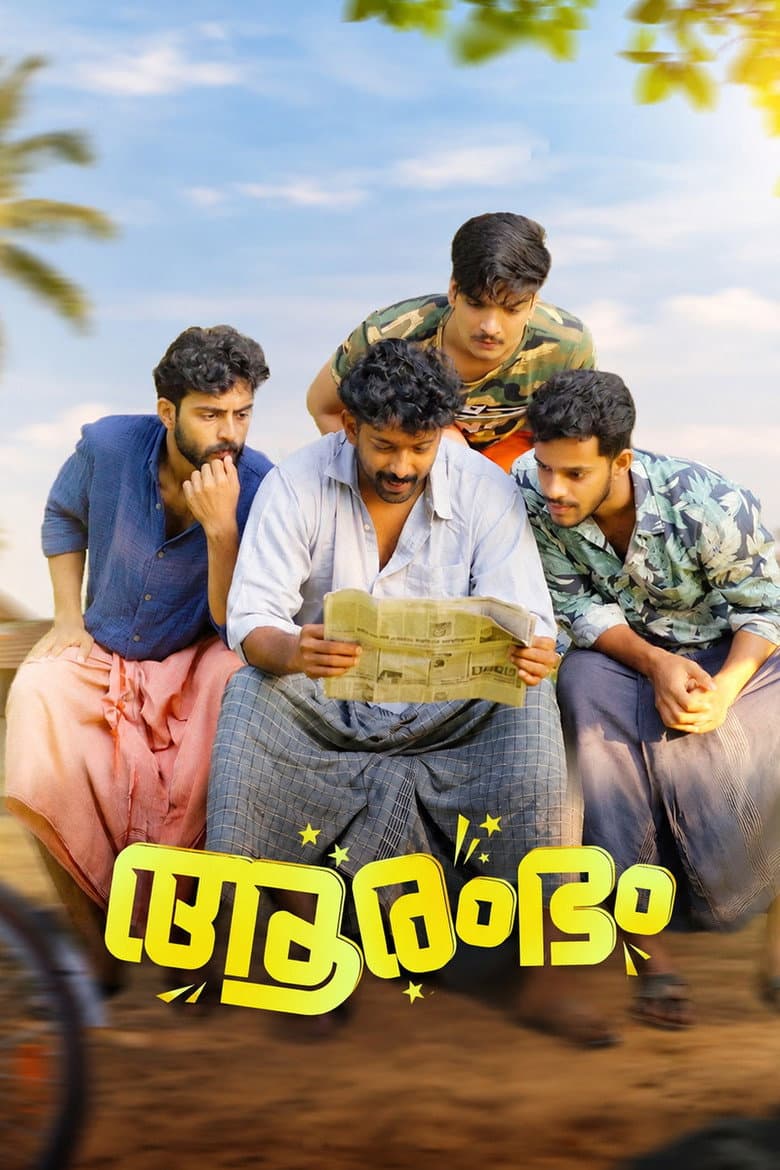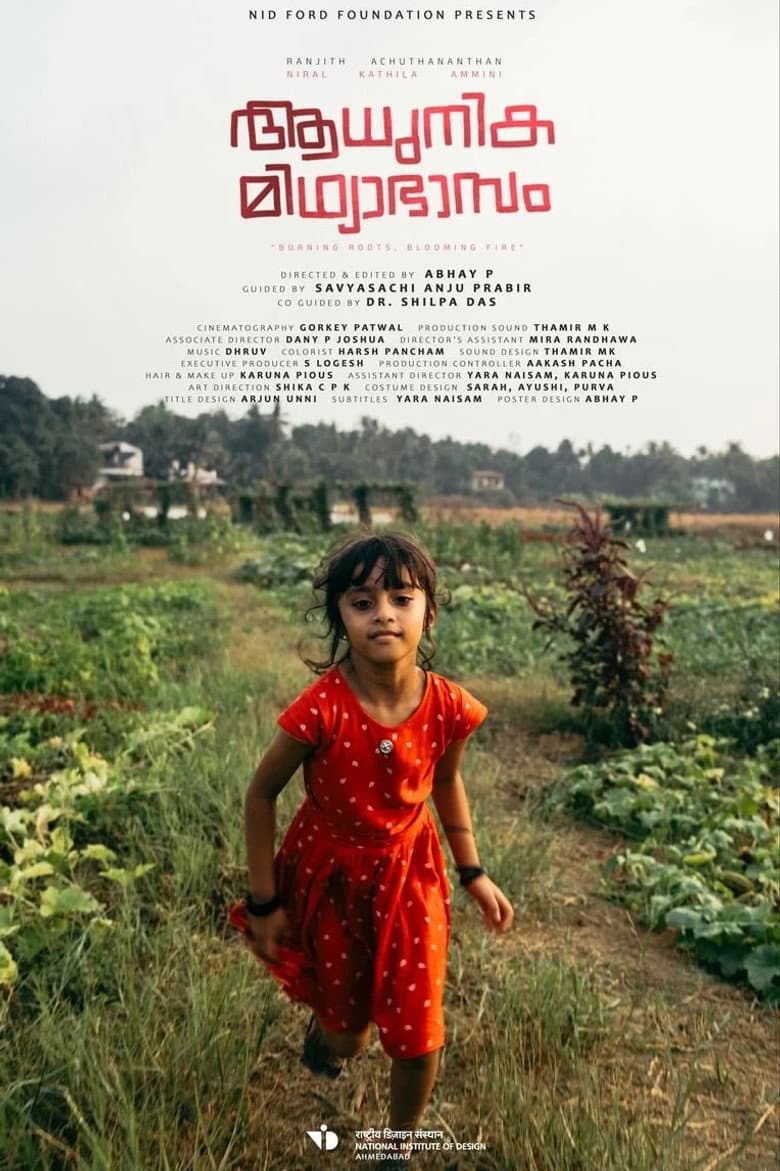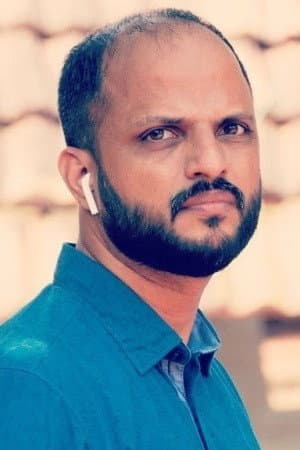
Jude Anthany Joseph is a Malayalam cinema director and screenwriter who also turns up in other filmmakers' work. Malayalam cinema is the film industry centred in the southern Indian state of Kerala, and many people in that industry move between jobs in front of and behind the camera. The confirmed filmography places him in both positions. He is director and writer on 2018 and Ohm Shanthi Oshaana, writer on Thudakkam and Ashakal Aayiram, and a performer in films including Premam, Minnal Murali, Udal, Mandakini, Ela Veezha Poonchira, Thoppil Joppan, Pokkiri Simon and Cup. This is a look at that body of work, not at the person behind it.
The Man Behind the Camera and in the Frame
One useful piece of industry vocabulary for readers outside the region: a "screenplay" credit means the person who shaped the script, its structure and its dialogue, as distinct from a "story" credit, which goes to whoever originated the idea. Malayalam cinema has a long habit of letting its writers direct their own material. Many of its directors also keep performing in other people's films. That overlap is normal rather than unusual, and it is the shape this filmography takes.
The list runs in two directions. On the directing side sit Ohm Shanthi Oshaana and 2018, both of which he also wrote, and Thudakkam, again as director and writer. Ashakal Aayiram stands alone on the writing side. On the performing side sits a long run of supporting parts across more than a decade of Malayalam releases. Read the names together and a pattern emerges: a filmmaker who keeps working even when he is not the one calling the shots, and who stays close to sets run by other people.
That is the frame for everything below. No claim is made here about how he prepares, who he learned from, or what he wants from a career. The credits are the evidence, and the films are the subject.
The Films He Directed and Wrote
Ohm Shanthi Oshaana and the Romantic Comedy Register
The earliest directed work in the confirmed list is Ohm Shanthi Oshaana (2014), which he directed and wrote the screenplay for. The premise, as catalogued by TMDb, follows Pooja Mathew, a spirited young woman determined to have a love marriage, who stops at nothing to impress Giri, the man who once saved her from a group of unruly men.
The film belongs to the romantic comedy register, one of the most widely followed in Malayalam cinema and a reliable route into the mainstream for new directors. What the premise reveals is a preference for a headstrong young protagonist who drives the story rather than waiting to be won. The comedy comes from her pursuit, not from her rescue. For a viewer new to the industry, this is a useful entry point: a heroine with a plan, a hero who has to keep up, and a tone that stays light.
2018 and the Move to Large Scale
Nine years later in the confirmed list comes 2018 (2023), which he directed and wrote. TMDb describes it as a disaster film set during the 2018 Kerala floods, where people from all walks of life faced catastrophic consequences and put in collective efforts to survive the calamity.
For readers outside the region, some context matters. The floods were a real and widely reported calamity in Kerala, and the film turns that shared experience into ensemble drama rather than a single hero's story. The shift in scale from the romantic comedy is considerable. One film follows a young woman's pursuit of the life she wants. The other moves across a state and a population under pressure. Both are built on ordinary people, but the second widens the frame until the collective is the protagonist.
Thudakkam and Ashakal Aayiram as Writer
Two titles complete the filmography on the writing side, both listed for 2026: Thudakkam, on which he is director and writer, and Ashakal Aayiram, on which he is writer. Beyond those credits, nothing further is confirmed, so they are presented here only as entries in the list, without plot, reception or production detail.
Their value in this piece is structural. They show that he continues to write as well as direct, which connects the two halves of his filmmaking. A director who keeps writing for other productions keeps exercising the part of the craft that comes before the camera rolls. The confirmed record says no more than that, and it does not need to.