The title of Venu Nair's upcoming film carries a quiet weight. Izhakalkkappuram - a name that suggests something just out of reach, the space just past the threads - feels less like a promise of spectacle and more like a gentle invitation to sit with people who think deeply and live carefully. And in an industry currently sprinting toward high-concept thrillers and mass-courting spectacles, that is precisely what makes it interesting. This is a Malayalam drama that seems to trust its audience to lean in rather than sit back, and if the pedigree behind it is any indication, it may be one of the more thoughtful theatrical experiences of the coming season.
Release Date & Where to Watch
Mark your calendars: Izhakalkkappuram arrives in theatres on October 2, 2026. For now, a theatrical release is the confirmed plan, with streaming details expected to follow the standard Malayalam window - meaning a digital premiere is likely several weeks down the line, though no platform or date has been announced. Given the film's intimate scale and dialogue-driven nature, a big-screen viewing actually suits it: the textures of an ancestral home and the small gestures between two people are the kind of detail that gets flattened on a phone. Consider this one a cinema trip rather than a couch watch.
Cast & Crew
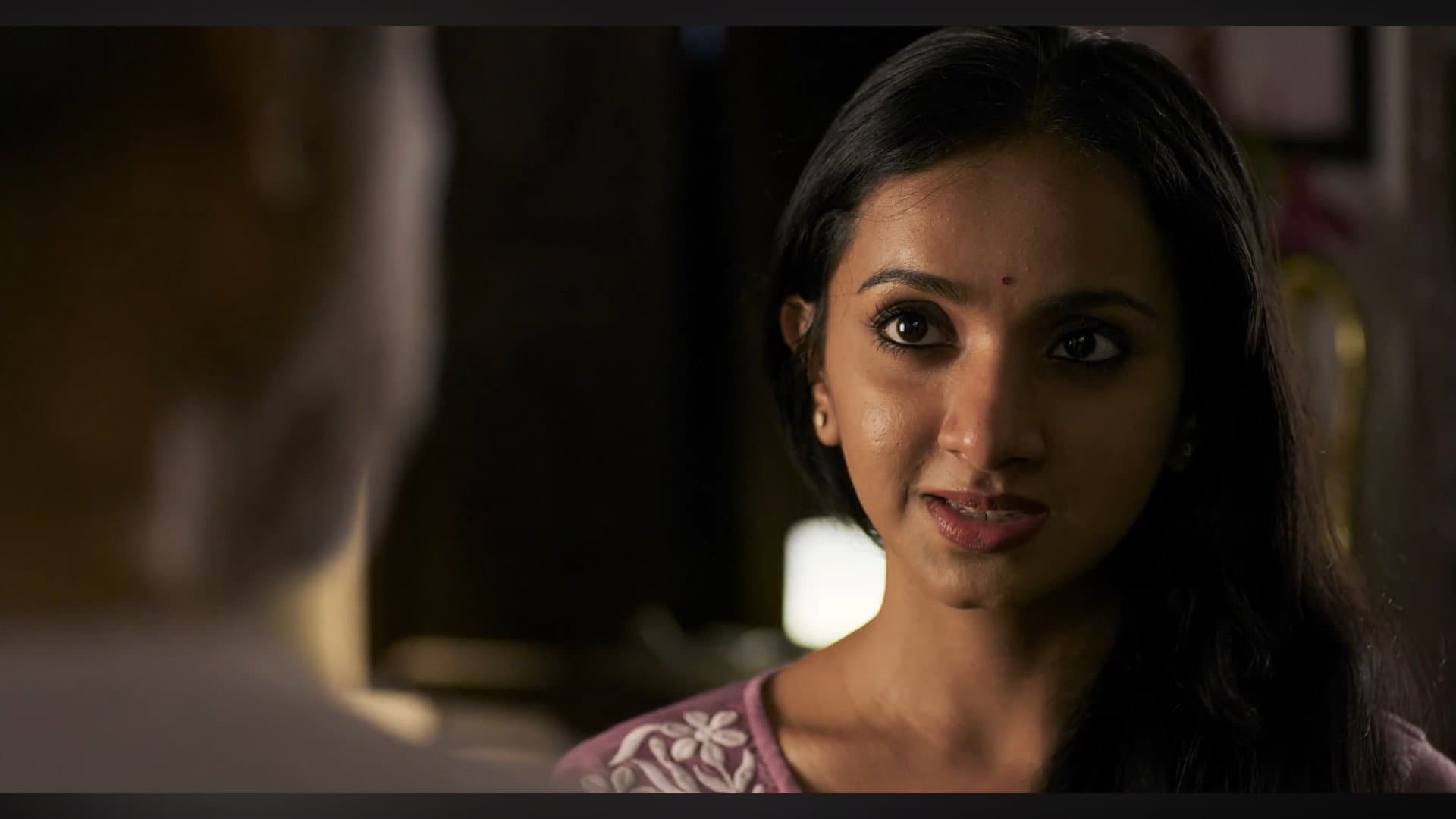
The ensemble here is small but loaded with intent. Dinesh Panicker steps into the role of Dr. Ananth Sivan, the ageing Gandhian scholar at the film's moral centre - a part that demands stillness, and the ability to suggest decades of conviction behind a single pause. Opposite him, Gautami Kaur plays Karthi, the filmmaker daughter whose slow-burning doubt fuels the drama's engine. The push and pull between them is the whole film, and casting two performers capable of filling silence matters more than any marquee value.
Supporting them is Vanjiyoor Praveen Kumar as Jagadeesh, a character whose role in the household dynamic remains under wraps but who likely serves as a bridge - or a friction point - between the two leads.
Behind the camera, Venu Nair directs. His is not a name that screams commercial bombast, and that feels deliberate. This is a filmmaker's film about a filmmaker's daughter, which suggests a director comfortable with meta-texture and reflective pacing. The rest of the technical crew has been kept quiet in the run-up to release, which itself signals a film more interested in what's said than how loudly it's packaged.
Story & What to Expect
The premise is deceptively simple. In an ancestral home - that most Malayali of stages, heavy with memory and unspoken inheritance - Dr. Ananth Sivan holds fast to the Gandhian ideals he has built his life around. His daughter Karthi, a filmmaker, begins to question those convictions. That's it. No chase, no twist, no grand reveal. What unfolds instead is a relationship navigating "the delicate space between ideals, belief, and empathy."
Expect a chamber piece. Expect long conversations, of which the arguments are the kind that families have quietly over tea. Expect the ancestral house to function as a third character - its walls bearing witness to a debate that is really about whether principles can survive contact with the people we love. The film's central tension isn't whether Ananth is right or Karthi is wrong, but whether either can extend empathy across the gulf between them. Given the genre tag of pure drama and a runtime still unconfirmed, this is likely a tighter, more compressed narrative than a sprawling family saga. The title's metaphor - something beyond the threads, or perhaps beyond the weave itself - hints at a resolution that doesn't tie things neatly.
Don't go in expecting a political screed, either. The Gandhian framing is philosophical scaffolding, not a manifesto. The film appears more interested in the human cost of holding a line than in defending or dismantling the line itself.
Why It's Worth Watching
Three reasons. First, the rarity of the subject. Malayalam cinema has never shied from ideas, but a father-daughter drama explicitly wrestling with Gandhian thought - explored through the lens of an ageing scholar and his artist child - is a strange, specific, and refreshingly adult proposition. Second, the performances. Dinesh Panicker is at an age and stage where he can do more with a lowered gaze than most actors manage with a monologue, and setting him against Gautami Kaur's Karthi gives the film a generational voltage that should crackle in the quieter scenes.
Third, and perhaps most importantly, this is a film about listening. In a release landscape dominated by volume, Izhakalkkappuram appears to be asking its audience to do what its characters struggle to: sit across from someone who disagrees with you and stay. That's not a small thing to ask of a Friday-night crowd. But if Venu Nair sticks the landing, it could be the kind of Malayalam drama that lingers well past its closing frame - the sort of film people argue about on the drive home, which, fittingly, is exactly what it's about.