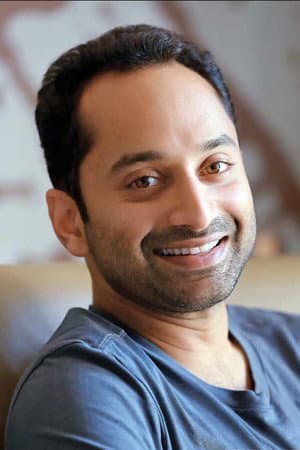
Fahadh Faasil: A Career In Malayalam Cinema is a story about choices. The record shows more than 40 films, a National Film Award, four Kerala State Film Awards and three Filmfare Awards South. Those honours describe the career. They do not explain it. Fahadh works mainly in Malayalam cinema, the film industry of Kerala, a state on India's south western coast. It is one of several regional film industries in India, each with its own performers, writers and audience. He is also a producer, backing projects in which he does not always appear. What connects the performances is not a genre or a fixed screen persona. He takes roles inside ordinary social worlds and finds the pressure points. A young man navigating a romance. A driver caught in someone else's plan. An official trying to expose a wrong. The register shifts from drama to thriller to comedy. The through line is a performer who chooses character over repetition.
A Performer Defined By Range, Not Routine
Two terms recur when this industry is written about. An anthology is a single film made of several separate short stories, each with its own cast and crew. Malayalam cinema refers to films made in the Malayalam language, largely in Kerala, and it is one of several regional industries in India, each with its own performers, writers and audience.
Fahadh began his film career at 19, in the leading role of his father Fazil's 2002 romantic film Kaiyethum Doorath. The film was a critical and commercial failure, and he stepped away from the screen. The comeback came seven years later with Kerala Cafe (2009), an anthology in which he appeared in the short film Mrityunjayam. That second entry point, a small part in a shared project rather than a lead, is where the working career really starts. It also offers the first clue to how the rest would run. No rush to centre himself. No insistence on size of role.
For a reader outside Kerala, the easiest way in is to treat his filmography as a set of choices, not a list of hits. That framing explains a career that moves between lead and ensemble work without treating either as a lesser tier.
The Films That Built The Record
Annayum Rasoolum (2013) cast him as Rasool, a romantic lead inside a story grounded in everyday life. The same year brought 5 Sundarikal, another anthology, where he played Ajmal, and North 24 Kaatham, where he was Hari, a role that placed him inside a road narrative rather than a romance. Three films in one year, three different registers. The pattern was set.
God's Own Country (2014) arrived with three intersecting strands. Fahadh played Manu, who travels from Dubai to Kochi to reach a goal he cannot afford to miss. Around him, a public prosecutor and a taxi driver pursue intentions of their own. Bangalore Days (2014) gave him Shivadas, known as Shiva, in a large ensemble. Together, the two films showed how comfortable he was sharing a frame and how little he needed it to himself.
Take Off (2017) placed him as Manoj Abraham IFS in a film built on a rescue situation. Varathan (2018) cast him as Abin, and he also produced it, an early sign of the second role he would take on behind the camera. Mariyam Mukku (2015) added Felix to the list.
More recent years show a producer's instinct as clearly as a performer's. Premalu (2024) was a romance in which a carefree graduate, Sachin, meets Reenu, an IT professional, in Hyderabad, and unspoken feelings complicate the friendship. Fahadh produced it. Aavesham (2024) put him in front of the camera as Ranjith Gangadharan, called Ranga, and he produced that film too. Two 2026 titles continue both threads. Bethlehem Kudumba Unit (2026), which he produced, follows Ashley's return from abroad and a wedding next door that stirs memories of a first love. Patriot (2026) stars him as Shakthi Sundaram, described as a Malayali DRW analyst who tries to expose a corrupt regional politician and ends up on the run, becoming a vlogger to clear his name.
Roles And Subjects He Returns To
Read across the titles and a few habits emerge. He returns to men under pressure, and the pressure changes shape rather than disappearing. In Annayum Rasoolum it is romantic. In North 24 Kaatham it is the friction of a journey shared with strangers. In Take Off it is a rescue. In Patriot it turns professional and political, with a man trying to clear his name. The settings move from Kochi streets to a road narrative to a situation that spills across borders. The question stays the same. What does a person do when the ordinary day stops cooperating?