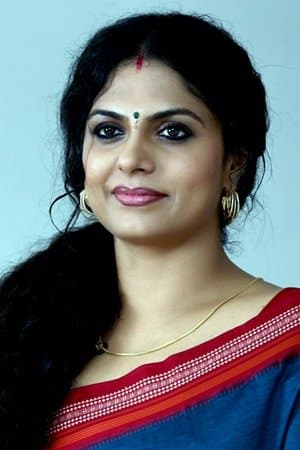
Some performers enter Malayalam cinema through a lead role and expand outward from there. Asha Sarath came in through dance instead, stepped away from the screen for a stretch of family life abroad, and returned to become one of the most recognisable supporting presences in the industry. Her filmography is short next to that of many contemporaries, but the parts she takes tend to be the ones audiences carry home. Hers is a career built on discipline, selectivity and an instinct for characters who hold authority without raising their voice.
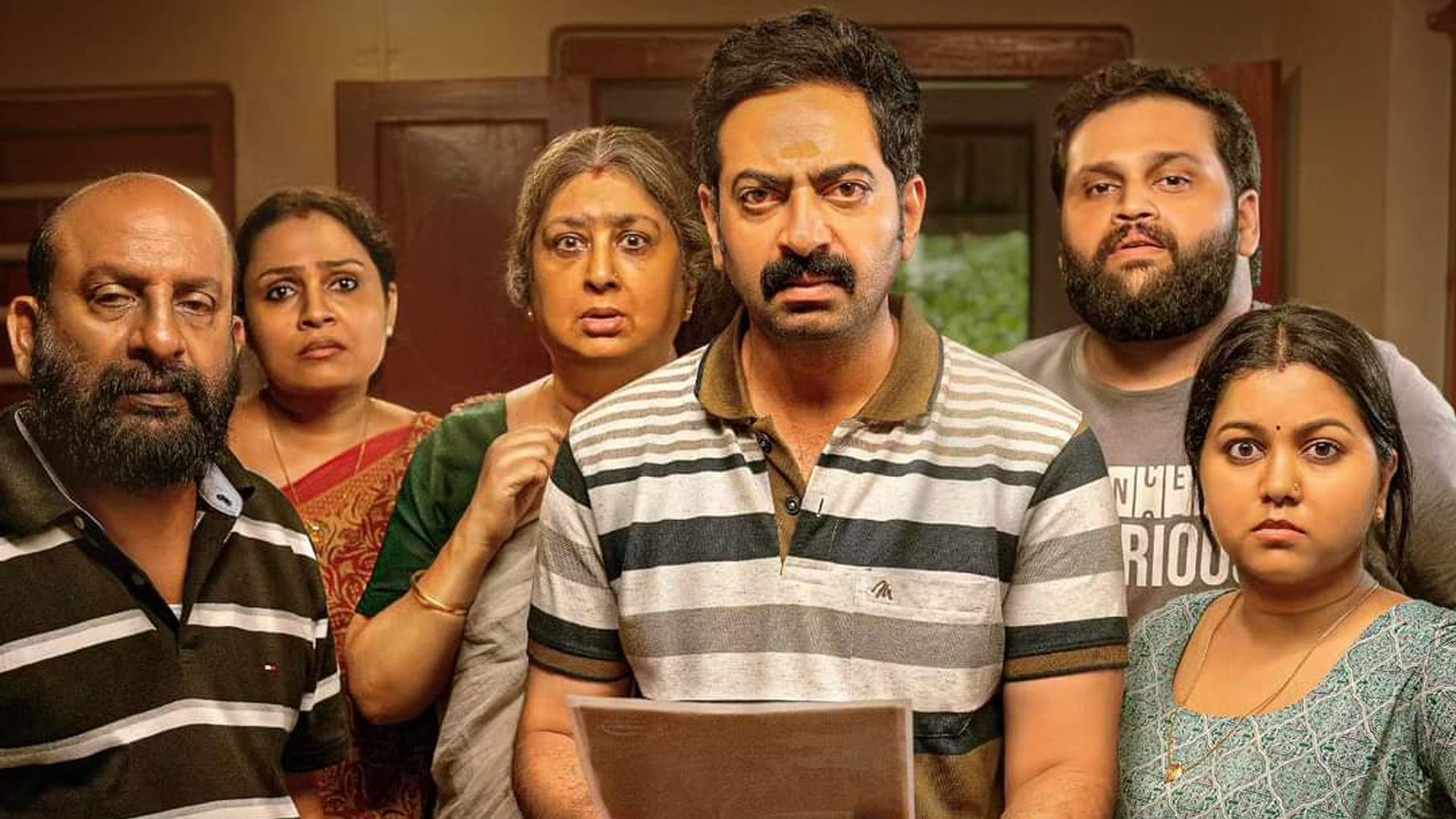 Photo: TMDb
A Dancer's Discipline, A Performer's Range
Asha Sarath was born in Perumbavoor. Her mother, Kalamandalam Sumathy, is a renowned classical dancer, and from her Asha Sarath learned Bharathanatyam, Mohiniyattam and Kuchipudi. That training is no footnote to her screen work. Classical dance in Kerala amounts to a long apprenticeship in posture, breath and emotional precision, and performers who come through it learn to command a frame with very small movements. In 1992 she took the top prize at an all India dance fete in Benares, a result that brought film offers her way.
She turned them down at first. Instead she worked in a few serials and telefilms. Readers outside India should pause here, because the Malayalam entertainment industry has long treated television as serious training rather than a lesser tier. One of those telefilms, Nizhalum Nilavum Parayunnathu, won her the State television award for the second best actress. That recognition led to the serial role of Jayanthi in Kumkumapoovu, which kept her visible to film makers. Marriage to Sarath and a move to Dubai followed, and for a period her career paused entirely. When she returned to Kerala, she returned to cinema.
That arc explains something about how she works. There is no long run of youthful leads behind her, no backlog of disposable roles. What she has is a late start in film, sharpened by years of dance and by a television apprenticeship that taught her to hold an audience without cinematic help.
The Roles That Built The Name
Her best known part is IG Geetha Prabhakar in the Drishyam films, a police officer who becomes the family's most patient and most dangerous opponent. The first film, released in 2013, follows Georgekutty, a man living happily with his wife and daughters until his daughter is filmed indecently by the son of a police inspector. Geetha enters that story as the investigator with a personal stake in its outcome, and the character's restraint is what makes her frightening. In Drishyam 2, released in 2021, the family is living with the trauma of that night seven years on, and Geetha returns to the investigation with the same unhurried persistence. Drishyam 3, released in 2026, puts Georgekutty against an organised new threat as the family's secret comes under renewed pressure, and she is there again.
Around that central role sits a varied set of films. Drama, from 2018, is set in the United Kingdom and follows a funeral director trying to fulfil a client's final wish. Munthirivallikal Thalirkkumbol, from 2017, and Sunday Holiday the same year showed her in gentler, more domestic registers, the latter as Dr. Sree Dhanya. 1971: Beyond Borders, also 2017, placed her as Parvathy Sahadevan in a military setting. CBI 5: The Brain, from 2022, cast her as Adv. Prathibha Sathyadas, and Peace the same year as Jalaja. Evidey in 2019 gave her the role of Jessy, and Antony in 2023 the role of Jessy again. Ashakal Aayiram, released in 2026, has her as Asha Hariharan.
The pattern in that list is hard to miss. She keeps returning to professionals: police officers, lawyers, doctors. Women whose competence is assumed before the scene begins.
Where She Sits In Malayalam Cinema
Malayalam cinema is unusual within Indian film for the weight it gives to character performers. Its storytelling tradition is script led, and its audiences have long accepted that a film's most important figure can be the fourth or fifth name on a cast list. Asha Sarath occupies exactly that position, and with unusual security. She is not a lead, and her career does not appear to be organised around becoming one. She is the performer a film maker calls when a role needs gravity.
That kind of standing is difficult to measure and easy to undervalue. It shows up in how often a series returns for her when the plot could have written her character out. The Drishyam films are effectively a trilogy built around a single family's secret, and she has been part of all three across more than a decade, a rare continuity for a supporting part in an Indian franchise.