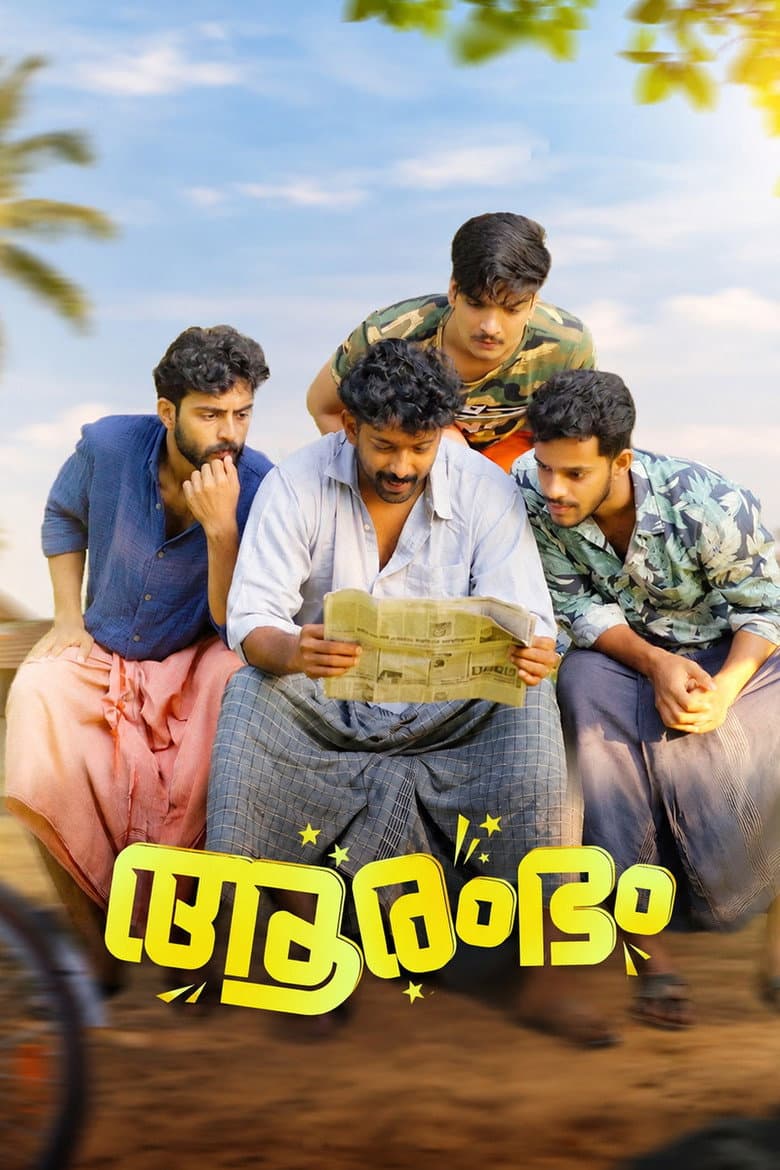
Some careers arrive with a single enormous part. Others get built the way a wall gets built, one course of brick at a time, until you turn around and find something solid standing. Anaswara Rajan: A Career In Malayalam Cinema belongs to the second kind. Born on September 8, 2002, she works mainly in Malayalam cinema, with appearances in Tamil, Telugu and Hindi films. The shape of her filmography tells a clearer story than any one role.
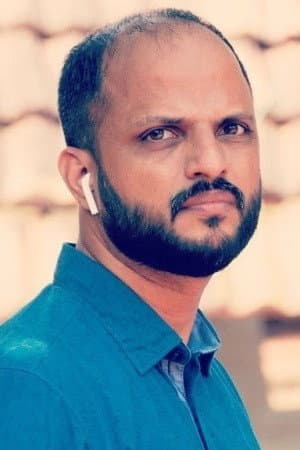
 Photo: TMDb
A Child Performer Who Became A Leading Name
She entered the industry with Udaharanam Sujatha (2017), appearing as a child artist. For readers outside the region, a child artist is a young performer cast in a supporting or featured role, often before any formal training, and it remains one of the most common routes into Malayalam cinema. Working as a child guarantees nothing. Most young performers drift away. What the early credits show instead is range being tested quietly. Tamil work in Raangi (2022) and Thugs (2023). Hindi work in Yaariyan 2 (2023). All of it sitting alongside a steady Malayalam slate. That is an unusual spread for a performer barely into her twenties, and it points to an approach built on accumulating different rooms rather than repeating one.
From Thanneer Mathan Dinangal To Leading Roles
Then came the leap: Thanneer Mathan Dinangal (2019), her first leading role, as Keerthy. The plot is simple and familiar. Jaison, a teenager, has a crush on Keerthy, but she does not reciprocate, and his troubles with Ravi, the new teacher everyone likes, make things worse. Coming-of-age here means a genre built around a young person's passage into adulthood, and the film works because Keerthy is not a prize in someone else's story. She has her own footing. That part sits at the base of everything after it. It established that she could carry a narrative without the story bending entirely around her.
The Films That Shaped The Body Of Work
Her Malayalam filmography reads best as a sequence of roles rather than a list. A few groupings make the pattern legible.
Small Town Girls And Early Breakouts
Adhyarathri (2019) and My Santa (2019), where she played Adult Aisa, came first. Then Vaanku (2021) and Vishudha Mejo (2022), in which she appeared as Maria in a cameo. A cameo, for those following the industry from outside, is a brief appearance by a recognisable performer, often not foregrounded in the marketing. Then came Super Sharanya (2022) as Sharanya Vasudevan, and this is the defining part of the early stretch. Sharanya is an ordinary small-town girl from Palakkad who moves to Thrissur for higher studies and finds herself changing as she meets Deepu. It is a small canvas handled honestly. Mike (2022) followed it.
Family Drama And Ensemble Work
The next phase widened into ensembles. Neru (2023) cast her as Sara Mohammed and Pranaya Vilasam (2023) as Younger Anusree. The latter traces a revelation about a woman's old flame that sends shockwaves through her family while following love stories of characters at different stages of life. Malayalee from India (2024) gave her Krishna, and Guruvayoor Ambalanadayil (2024) gave her Anjali Sudevan. Rekhachithram (2025) as Rekha Pathrose sits at the more plot-driven end. A Circle Inspector returning from suspension for gambling online while on duty faces a forty-year-old unresolved murder with a faceless victim. Add Painkili (2025) as Sheeba Baby, Vyasanasametham Bandhumithradhikal (2025) as Anjali and Mr and Mrs Bachelor (2025) as Stephy Immanuel, and the variety looks deliberate rather than accidental.
Roles She Returns To, And Why The Name Matters
Draw the threads together and a recurring type appears: the young woman in transition, frequently from a small town, often working inside a family or ensemble frame, with a distinct shift toward more plot-driven parts in the later titles. The confirmed work spans comedy, coming-of-age, family drama and mystery. The characters are usually named and specific, never decorative. That matters in a Malayalam industry known for writing women into ensembles, where the pattern is shared screen time rather than a solo vehicle built around one performer.
For readers outside the region, the practical reason to know the name is straightforward. Malayalam cinema travels on strong scripts, and performers who can hold a scene within an ensemble are the ones who cross over into wider view. The 2017 child part, the 2019 lead, the widening slate of languages: the through-line is steady accumulation, and the confirmed work is the evidence. For background on the industry's wider output, see the Wikipedia entry on Malayalam cinema, and for a global view of Indian film production, the Encyclopaedia Britannica overview of Indian cinema is a useful starting point.