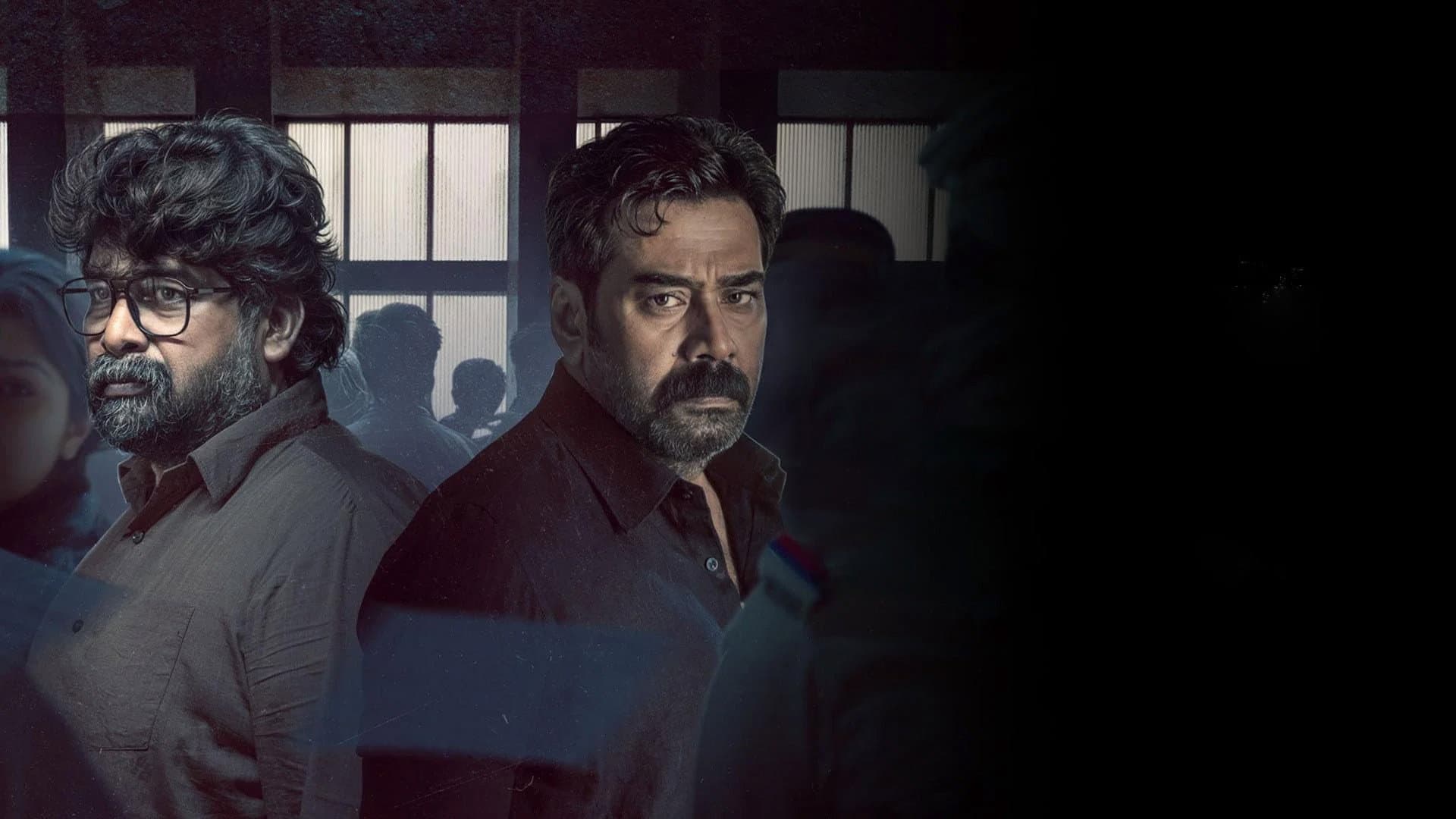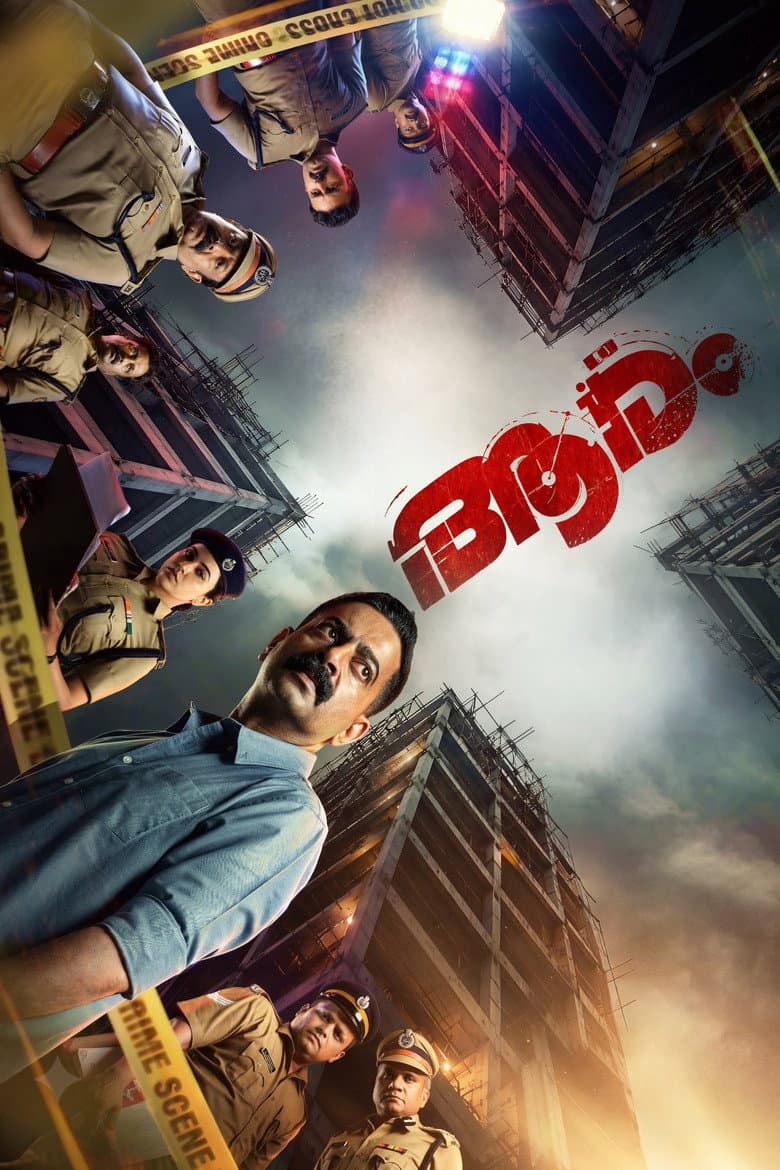
Kochi has always had a peculiar relationship with cinema - it is a city that watches itself being filmed, a place where the line between the daily grind and the dream factory blurs over cups of sulaimani and late-night shoots. Don Palathara’s new film, The Uncertainty Principle, taps straight into that feverish, self-reflexive energy. With a title borrowed from quantum mechanics but a soul rooted in very earthly anxieties, this is a picture about young people who make movies, talk about movies, and occasionally forget to live their own lives because of movies. It arrives in theatres just as the southwest monsoon retreats, leaving behind a humid, contemplative atmosphere that suits its mood perfectly.
Release Date & Where to Watch
Mark your calendars for September 23, 2026. The film is slated for a wide theatrical release across Kerala, with major screenings in Kochi, Thiruvananthapuram, and Kozhikode on day one. Given the ensemble cast and the festival-circuit pedigree of its director, expect prime shows at flagship multiplexes like PVR Cinemas and Cinepolis, alongside single-screen halls that still champion Malayalam cinema’s new wave. As of now, no OTT platform has been officially announced, but industry chatter suggests a streaming premiere sometime in late November or December, following a respectable theatrical window. For those outside Kerala, keep an eye on regional distributors - this is a film built for the big screen, but its intimate conversations will travel well to living rooms later this year.
Cast & Crew
Don Palathara returns to the director’s chair with a roster that reads like a who’s who of contemporary Malayalam independent cinema. Roshan Mathew leads as Sarath, a restless assistant director torn between commercial compromises and personal integrity. Divya Prabha, fresh off her recent string of nuanced performances, plays Shreya, a sound designer whose professional clarity masks emotional static. Arsha Baiju steps in as Nimisha, a costume stylist with a sharp tongue and a softer interior, while Jitin Puthanchery portrays Allen, a cinematographer who sees everything through a lens but struggles with direct vision in his own life.
The supporting bench is equally formidable. Vinay Forrt brings his signature laid-back charm to Aswin, a producer’s fixer who can solve everyone’s problems except his own. Santhy Balachandran plays Steffy, a script supervisor who notices every continuity error in life, and Mahesh Narayanan - himself a celebrated director - appears as Ravi, a veteran editor who dispenses wisdom like bitter medicine. Kenshin rounds out the core group as Rahul, a gaffer whose practical jokes mask a deeper loneliness. Palathara, known for his observational, low-key direction in films like Sthalam and Kari, co-writes the screenplay with a tight, dialogue-heavy structure that suits his naturalistic style.
Story & What to Expect
The plot is deceptively simple. A low-budget feature is being shot in and around Kochi, and the crew - mostly in their twenties and thirties - are navigating the usual chaos: delayed schedules, vanishing producers, and artistic egos. But The Uncertainty Principle is not really about the film within the film. It is about the spaces between takes, the cigarette breaks where confessions slip out, the late-night food runs that turn into accidental therapy sessions. Sarath is trying to pitch his own script to a disinterested financier, Shreya is recording ambient sounds of the city as a metaphor for her fractured relationship, Allen is falling for Steffy but cannot tell if his feelings are genuine or just well-framed, and Nimisha keeps redesigning her life as if it were a costume that never quite fits.
Palathara uses the Heisenberg metaphor lightly - he is not interested in physics lectures but in the simple truth that observing someone changes them. Here, everyone is both observer and observed. The film’s comedy emerges from the absurdity of film-set hierarchies: a production manager negotiating with a caterer as if brokering a peace treaty, a method actor who refuses to break character even while ordering chai, a director who yells “cut” at his own arguments. But the laughter is never mean-spirited; it is the laughter of recognition. The drama, meanwhile, simmers beneath the banter. Shreya and Sarath share a history that neither fully acknowledges, while Rahul’s cheerful facade cracks during a late-night rooftop scene. By the 121-minute runtime’s end, you realize the film is less about completion than about the beautiful, messy process of getting there.
Expect Palathara’s signature long takes and natural lighting, but with a lighter touch than his previous work. The comedy is drier than a Kochi summer, and the drama is quiet, building through glances and silences rather than monologues. Dialogues are sharp, often overlapping as real conversations do, and the background score - minimal, guitar-driven - never overpowers the streetside ambience.
Why It's Worth Watching
This is a film for anyone who has ever loved cinema and hated the industry. It is for the aspiring filmmaker who has sat through a hundred meetings that went nowhere, for the crew member who has been asked to “just adjust” one too many times, and for the audience that wonders why Malayalam cinema keeps getting better at telling small, human stories. The Uncertainty Principle does not offer grand answers; it offers company.
Palathara’s direction ensures no performance feels like acting. Roshan Mathew, in particular, delivers a career-best turn as a man paralyzed by his own possibilities. Divya Prabha matches him beat for beat, her Shreya embodying the film’s central tension - she can control sound, but not the noise in her heart. The chemistry across the ensemble is so natural that you will leave the theatre feeling like you have spent ninety minutes eavesdropping on real lives, not watching a constructed narrative.
There is also a meta-pleasure in watching Mahesh Narayanan, a director, play an editor who critiques the very rushes we glimpse. It is a wink to the initiated, but newcomers will enjoy it as pure character work. The film does not preach about the “state of cinema” or lament the death of art; it simply lives inside the uncertainty of creative work and romantic longing, and finds humor in both.
When the credits roll, you might not remember a single dramatic climax. There isn’t one. Instead, you will recall the way Sarath looks at Shreya across a crowded monitor, the way Nimisha laughs at her own failed attempt at a grand gesture, the way Allen finally stops framing and starts seeing. The Uncertainty Principle is a small film with a large heart, and it deserves a seat in your September schedule. Bring a friend who thinks they don’t like “artsy movies” - they’ll be surprised, and so will you.