Forty-seven days after it first reached theatres, Jeethu Joseph's Malayalam mystery-thriller Mirage continues to behave less like a film with a release date and more like a slow-burning rumour that refuses to die down. Released on September 19, 2025, the film has kept a steady pulse in Malayalam cinema's conversation, powered by word of mouth rather than spectacle.
Mirage arrives with an intriguing premise. A woman is informed her fiancé has died in a tragic train accident. What might have remained a straightforward story of grief instead turns into something far more tangled when she decides that the official account of his final days and the secrets he kept from her do not add up. Unable to accept the accident narrative at face value, she joins forces with a journalist to dig into the life of the man she thought she knew, opening doors she may eventually regret walking through.
Jeethu Joseph has spent years sharpening his instincts as a maker of thrillers that prefer tension over noise, and Mirage gives him plenty to work with. The film runs a substantial 150 minutes, with the director giving the investigation room to breathe, letting suspicion build gradually instead of rushing to conclusions. The narrative folds together two distinct impulses: one woman's very personal search for answers, and a journalist's professional appetite for a story that keeps growing the deeper he looks.
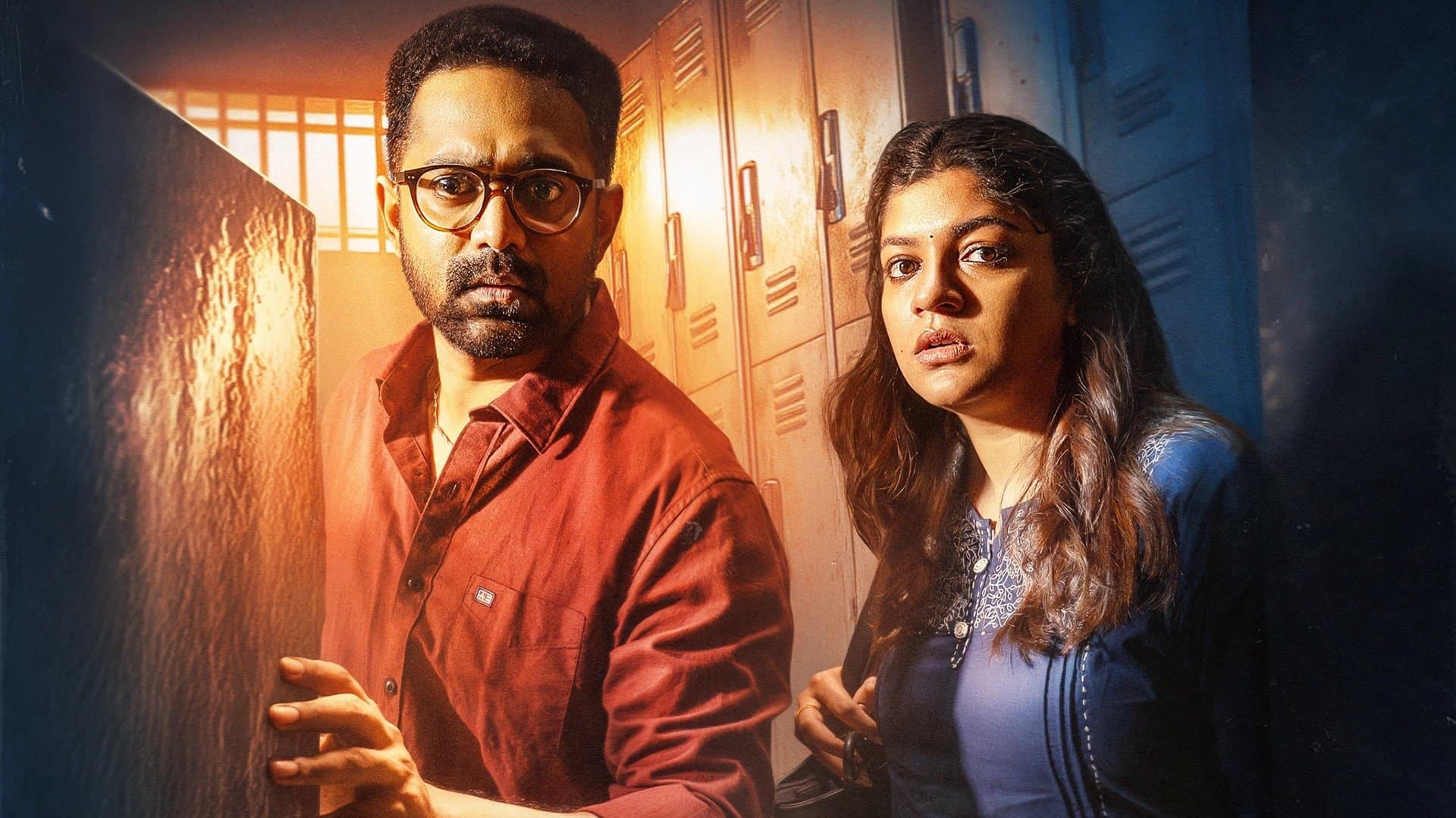
At its centre is Aparna Balamurali as Abhirami, named in the credits as Anjali Chandran, a woman balancing grief against the growing realisation that her relationship may have been built on concealment. Opposite her, Asif Ali appears as Ashwin Kumar, the fiancé whose death sets everything in motion. The structure that follows is familiar enough to the genre, but the pairing gives it weight, particularly in the ways the film foregrounds the investigation of a dead man rather than a villain hiding in plain sight.
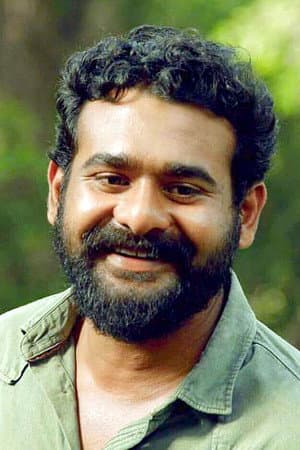
The supporting cast, too, comes loaded with recognisable faces. Sampath Raj plays SP Arumugham, a police officer whose presence places the investigation within an institutional framework, while Hakkim Shajahan appears as Kiran, also credited as Amal. Hannah Reji Koshy plays Hrithika, with Arjun Gopan as Ananthu, Saravanan as Rajkumar, and Deepak Parambol as Prakash rounding out the ensemble. It is the kind of sprawling cast that suggests the mystery reaches well beyond the central couple and into the orbit of people who might know more than they let on.
Mirage's commercial reception has been modest rather than meteoric, and its 5.25 out of 10 rating on TMDb suggests the film has divided audiences rather than swept them up. That split is itself a sign of something interesting. This is a movie more invested in atmosphere, procedure, and emotional fallout than in delivering a rapid-fire sequence of shocks, and that patient calibration will not appeal to every viewer in equal measure. It may, however, appeal strongly to those who enjoy a mystery that asks them to sit with questions rather than answers.
Speaking of the film's general approach, a narrator or a journalist might put it this way: this is a story about not being told the whole truth by the person closest to you, and about the strange, stubborn determination that follows. The film does not treat its heroine as a passive mourner. She becomes an investigator in her own life, which is a harder and more interesting role.
Several weeks on from release, what lingers about Mirage is not any single set piece but its sustained atmosphere of doubt. A train accident is, after all, a very public ending. What the film digs into is what came before it, the private business a man carried with him onto that train. Jeethu Joseph has long understood that the most unnerving mysteries are the ones that start inside a family, inside a relationship, inside the vague space where trust used to be. Mirage builds its house there, and continues to find audiences willing to look inside.