Priyadarshan: The Films And The Filmmaking is, at its core, the story of a director who kept moving between two very different kinds of cinema. The confirmed Malayalam credits in this filmography run from 1986 to 2021. What stands out across that span is range. On some films he is credited only as director: the person who stages the film on set and guides the performances and the camera. On several others he also carries a story or screenplay credit. The story credit belongs to the person who wrote the plot. The screenplay credit belongs to the person who shaped that plot into the full script the film is shot from. On Kilukkam he is director and story. On Chithram and Kaalapani he is director and screenplay. On Marakkar he is director, story and screenplay. That recurring double credit is the observation this piece builds on. The films in the list read as very different from one another. The credits suggest a filmmaker shaping the material himself rather than only staging it. That is a reading of the list, not a claim about his working habits.
The Range Behind the Name
A filmography is the list of films a person is credited on. This one opens with a tight cluster. In 1986 three credits appear. Mazha Peyyunnu Maddalam Kottunnu and T. P. Balagopalan M.A. are listed as directing credits. Ninnishtam Ennishtam is the earliest writing credit in the list. This cluster is the starting point, not a claim about which film came first. That film follows Sreekuttan, who falls in love with Shalini. Her family is in financial trouble, and his on and off friendship with a wealthy man allows him to stand as her benefactor and suitor.
Then comes 1988, with four credits in one year. Vellanakalude Naadu, Mukunthetta Sumitra Vilikkunnu and Chithram are each listed as directing credits. Chithram is also a director and screenplay credit. The Mukunthetta Sumitra Vilikkunnu plot is a comic premise in miniature. Mukundan loves Sumithra and starts building a career with a decent job. Then Viswanath, an old college classmate and a conman, comes to call, and things start going downhill. Two years later Akkare Akkare Akkare arrives. In 1991 Kilukkam, a director and story credit, gives the comedy a suspense hinge. A tourist guide named Joji in Ooty shelters Nandini, a woman who seems mentally unstable, in return for a reward her relatives have offered. Later he learns she is in danger from those same relatives.
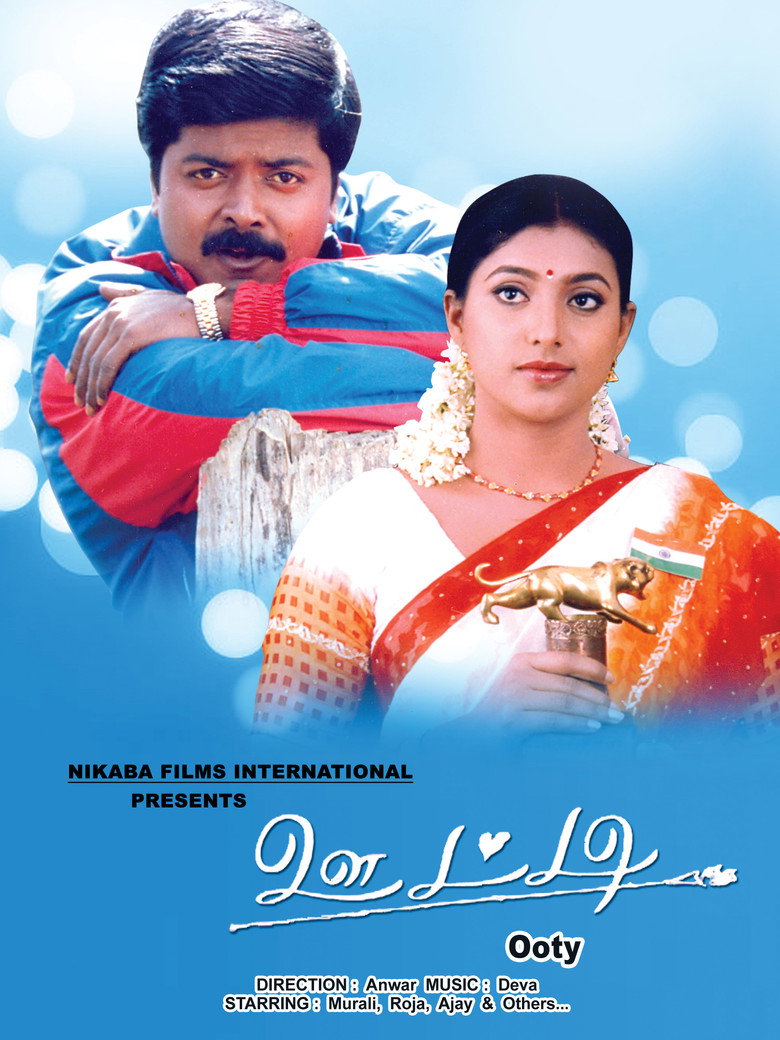 Photo: TMDb
The Films and What Each Contributed
Kaalapani in 1996 is the first clear break from comedy in this list, carrying director, story and screenplay credits. It is a departure in scale and tone. The supplied material supports nothing further than that, so the piece says no more. The later Malayalam comedies are Oru Marubhoomi Kadha in 2011, a directing credit, and Aamayum Muyalum in 2014, listed as director and writer.
Marakkar: Lion of the Arabian Sea, in 2021, is the widest canvas in the list. It carries director, story and screenplay credits. Its plot is a historical drama about Kunjali Marakkar the fourth, the fourth naval chief of the Calicut Zamorin, who fought the Portuguese. The account holds that he won sixteen such battles through strategy and fighting skill. It is presented here simply as the largest work in this body of films.
What He Returns To, and Why the Name Travels
Read only across the listed credits, two lines run in parallel. One is comedy built around a scheme or a deception, as in Mukunthetta Sumitra Vilikkunnu and Kilukkam. The other is larger, more serious storytelling, as in Kaalapani and Marakkar. What ties them together is that recurring story and screenplay credit, the connective tissue. The films present as authored works rather than assignments.
His biography notes work across several Indian languages beyond Malayalam. No non-Malayalam title is named here, because none is confirmed in the source material. What can be said is the plain position: a Malayalam director whose filmography reaches from mid 1980s comedy to a historical drama in 2021.
A reader outside Kerala has good reason to know the name. These films are reference points for Malayalam screen comedy, and the two historical works in the list show the same director working at a very different scale. That contrast is the lasting point of Priyadarshan: The Films And The Filmmaking, and it needs no ranking.
For fuller production credit lists, see the British Film Institute or the Internet Archive.