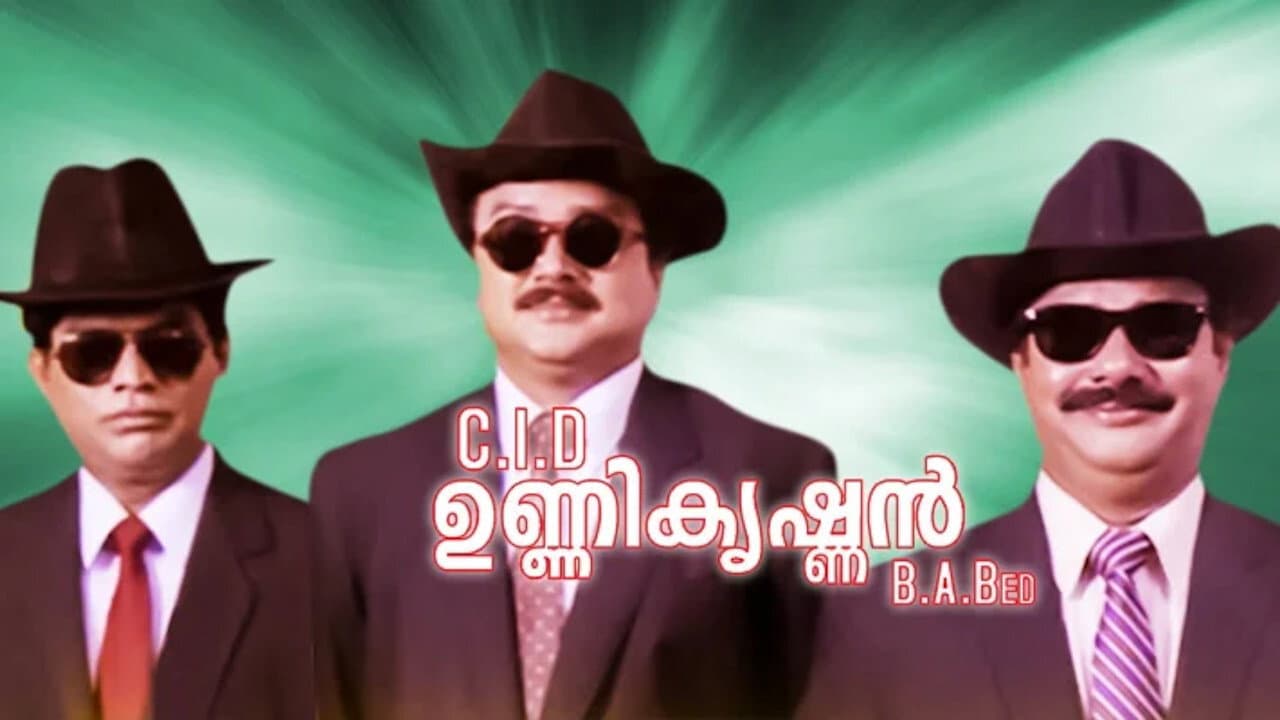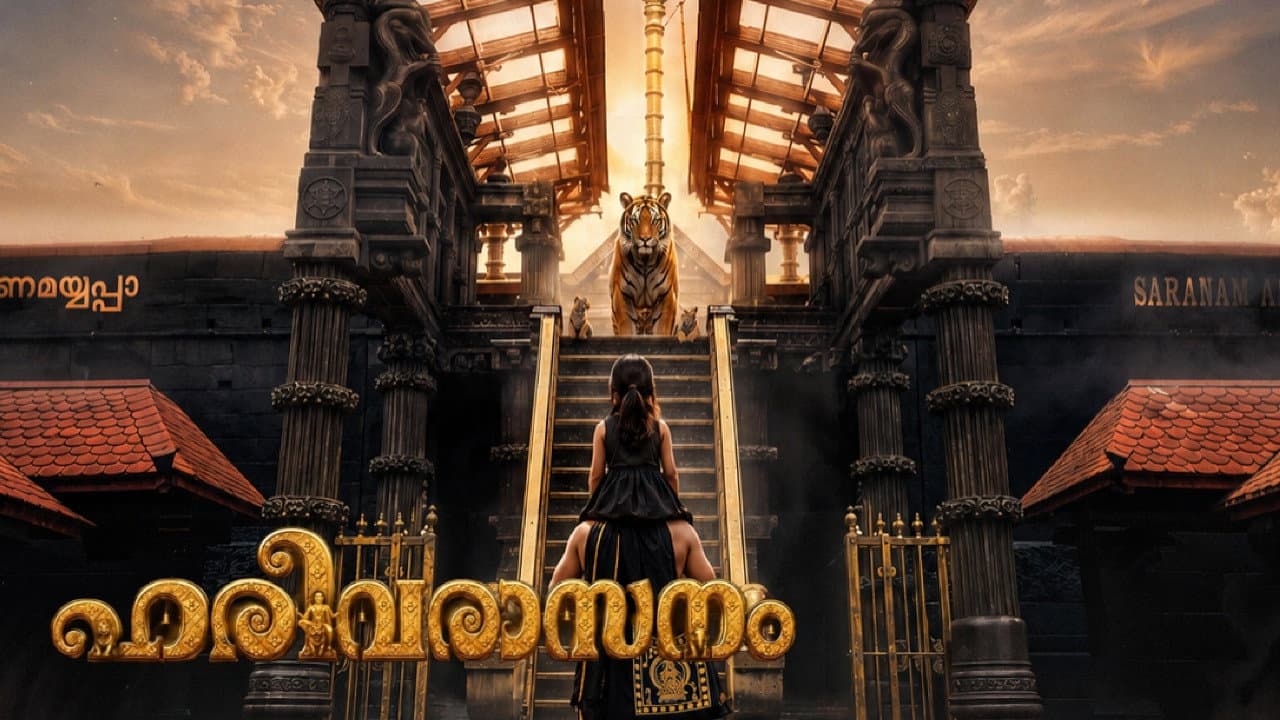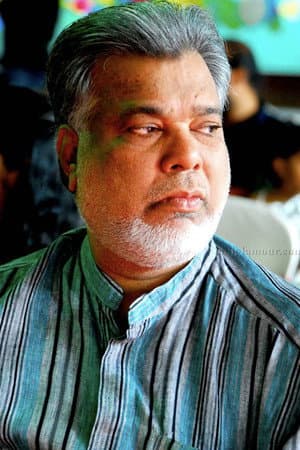
Joshiy: The Films And The Filmmaking is the story of a director whose name sits alongside the longest and most varied bodies of work in Malayalam cinema. Malayalam cinema is the film industry centred on Kerala, in the south of India, and it has long been known for the volume and speed of its output. TMDb lists Joshiy as having directed more than 80 films, a figure that places him among the most prolific filmmakers the industry has produced. Few directors have matched that output across as many decades.
A Career Built on Range
He began with Tiger Salim, and from there his career moved through a broad range of subjects rather than settling on a single formula. The range runs across the titles in his confirmed filmography, from Lailaa O Lailaa to Twenty 20 to No. 20 Madras Mail. What connects them is not one genre but a working method: a director who reads the market, assembles a cast the audience will follow, and moves swiftly from one project to the next.
That method deserves a moment of explanation for readers who follow the industry from outside the region. A director in the commercial mainstream is not simply choosing stories. He is judging which stories a paying audience will turn out for, which performers they will follow into an unfamiliar premise, and how quickly the whole thing can be mounted. Prolificacy in Malayalam cinema is not a quirk. It is a discipline, and Joshiy's career is one of its clearest illustrations.
His confirmed filmography is also a chronological map of a career in dialogue with its own era. Each phase of the list shows a director adjusting to what the market around him was asking for, while keeping the same underlying instincts.
 Photo: TMDb
The Films and What They Added
The late 1980s: learning the mainstream. Sayam Sandhya (1986) comes early in the sequence of confirmed titles. January Oru Orma (1987) followed, then Thanthram (1988) and Naaduvazhikal (1989). This run of films from the second half of the 1980s shows a director working steadily inside the commercial mainstream of the period, building the working relationships and audience instincts that would carry him forward. Nothing here announces a singular auteur. What it shows instead is a filmmaker learning his trade in public, film after film, at the pace the industry demanded.
The 1990s and a turn to the cities. No. 20 Madras Mail (1990) brought the director into the terrain of the crime film. The story follows three friends on a train bound for Madras who are falsely accused of a murder and must find the real killer. A train journey that becomes a chase is a classic engine for popular cinema, and the film shows how fluently Joshiy could work with a mystery premise. Sainyam (1993) extended the 1990s run.
The 2000s: bigger stages. The 2000s brought a set of films attached to major names. Runway (2004) and July 4 (2007) sit alongside Twenty 20 (2008). Twenty 20, a multi-star venture, turns on Advocate Ramesh, who saves a man named Devan from a murder case and then realises Devan was the actual culprit. It is a story of a lawyer cornered by his own act of mercy, and it shows the director handling an ensemble of familiar faces without losing the thread of a single moral problem.
A new decade, new energies. Run Baby Run (2012) follows Venu, a cameraman working for Reuters, who runs into an old lover, Renuka, while covering a case tied to a politician. Together they investigate a murder planned by Bharatan Pillai. The premise blends a newsroom setting with a conspiracy plot, a durable popular format. Lokpal (2013) and Lailaa O Lailaa (2015) closed this run of confirmed titles. Lailaa O Lailaa centres on Jai, a special investigative agent, his wife Anjali, and the terrorist Victor Rana.
Why the Name Matters
Joshiy's career demonstrates a particular industrial skill: making films that land with a mass audience, often with a major lead performer at the centre. TMDb notes that he has made major blockbusters with Mammootty and Mohanlal. A blockbuster, in Indian use, is a film that achieves a large commercial success. Working repeatedly with the same performers is a recognisable pattern in Malayalam cinema, where a director and a lead can form a partnership that audiences trust across many films. That trust is a form of capital, and it is earned one release at a time.