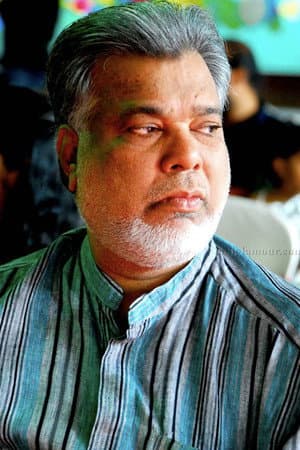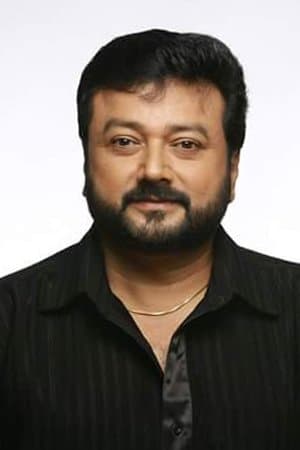
Jayaram: A Career In Malayalam Cinema is not the story of one register mastered and then repeated. It is the story of a performer who moved between comedy, domestic drama, ensemble spectacle and character work, and who never quite belonged to only one of them. That flexibility is why his name has stayed legible across three decades of mainstream Malayalam film.
Two background details give that range its texture. The TMDb biography records that he is a chenda percussionist and a mimic artist. A chenda is the traditional Kerala drum, a loud, central instrument in temple and festival percussion ensembles, so rhythm sits under his performing foundation. A mimic artist is a performer who imitates voices, mannerisms and dialects, a staple skill in Malayalam stage and screen comedy. Imitation teaches timing, phrasing and an ear for how people actually speak. Both skills sit underneath the comic ease that audiences came to expect from him.
The same biography records more than 200 films, and it notes work in Tamil films alongside the Malayalam output. In 2011 the Government of India awarded him the Padma Shri, a civilian honour given for contribution to the arts. For readers outside India, that is a national recognition rather than an industry prize, and it places a regional film career in a wider frame. The brief confirms work from the early 1990s through the 2010s.
The Films and What Each One Shows
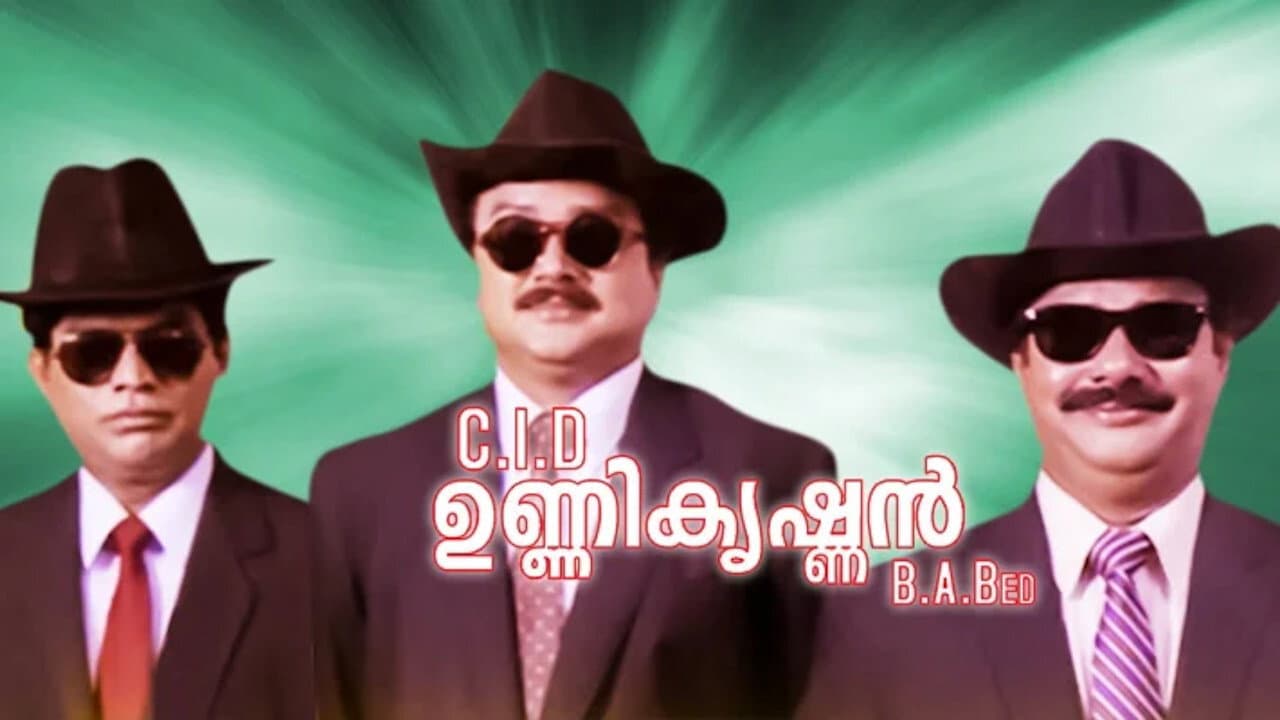
The early leads set the pattern. In Pavakkoothu (1990) he plays Prakash, and in Adwaytham (1991) he plays Vasu. Together, the two establish him inside comic and dramatic ensembles rather than as a solo vehicle from the start. The domestic comedy arrived later and became closely associated with him: Veruthe Oru Bharya (2008) casts him as Sugunan Raman and Bharya Athra Pora (2013) as Satyanathen. Both turn on the ordinary husband inside an ordinary household, a register that depends on recognition rather than exaggeration.
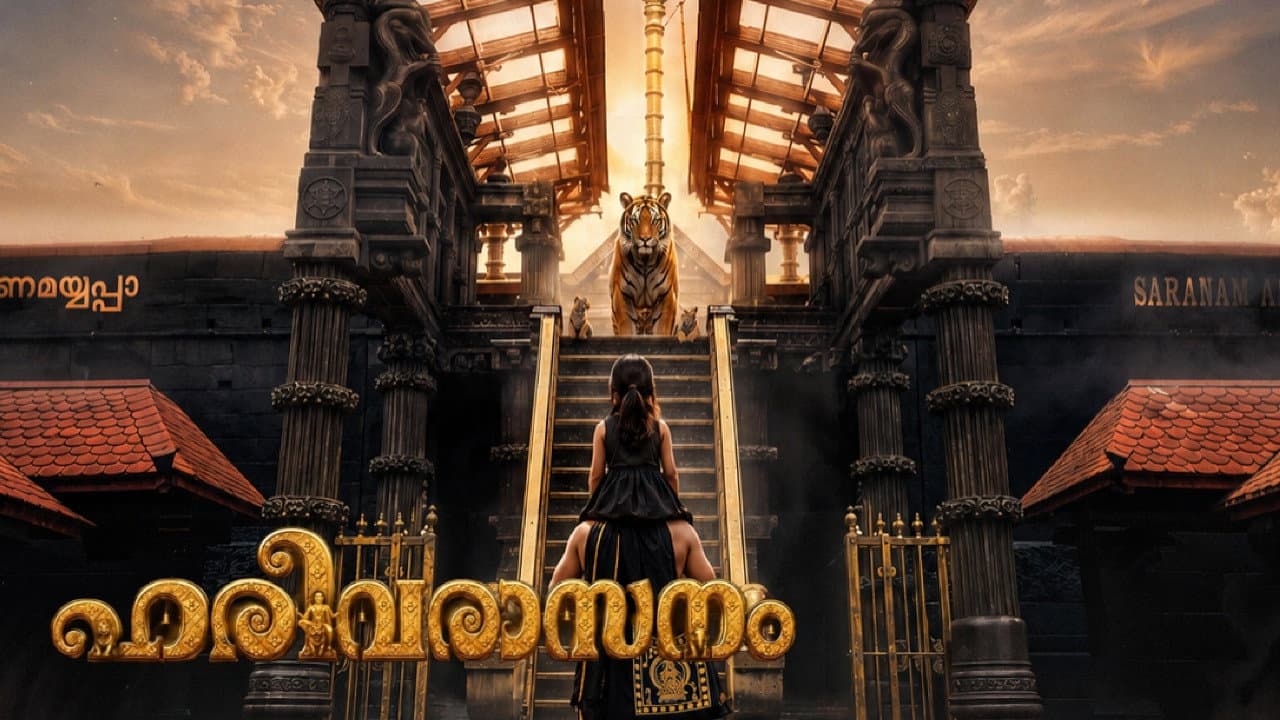
The large ensemble is its own Malayalam habit, the multi-performer event film that assembles a big cast for a single project. Twenty 20 (2008) places him as Dr. Vinod Bhaskar in exactly that format. China Town (2011), with him as Zackaria, uses the friendship and revenge frame: three childhood friends reunite in Goa to confront a casino don responsible for their fathers' deaths. Within his commercial work these films show how a familiar performer is folded into a crowd of them.
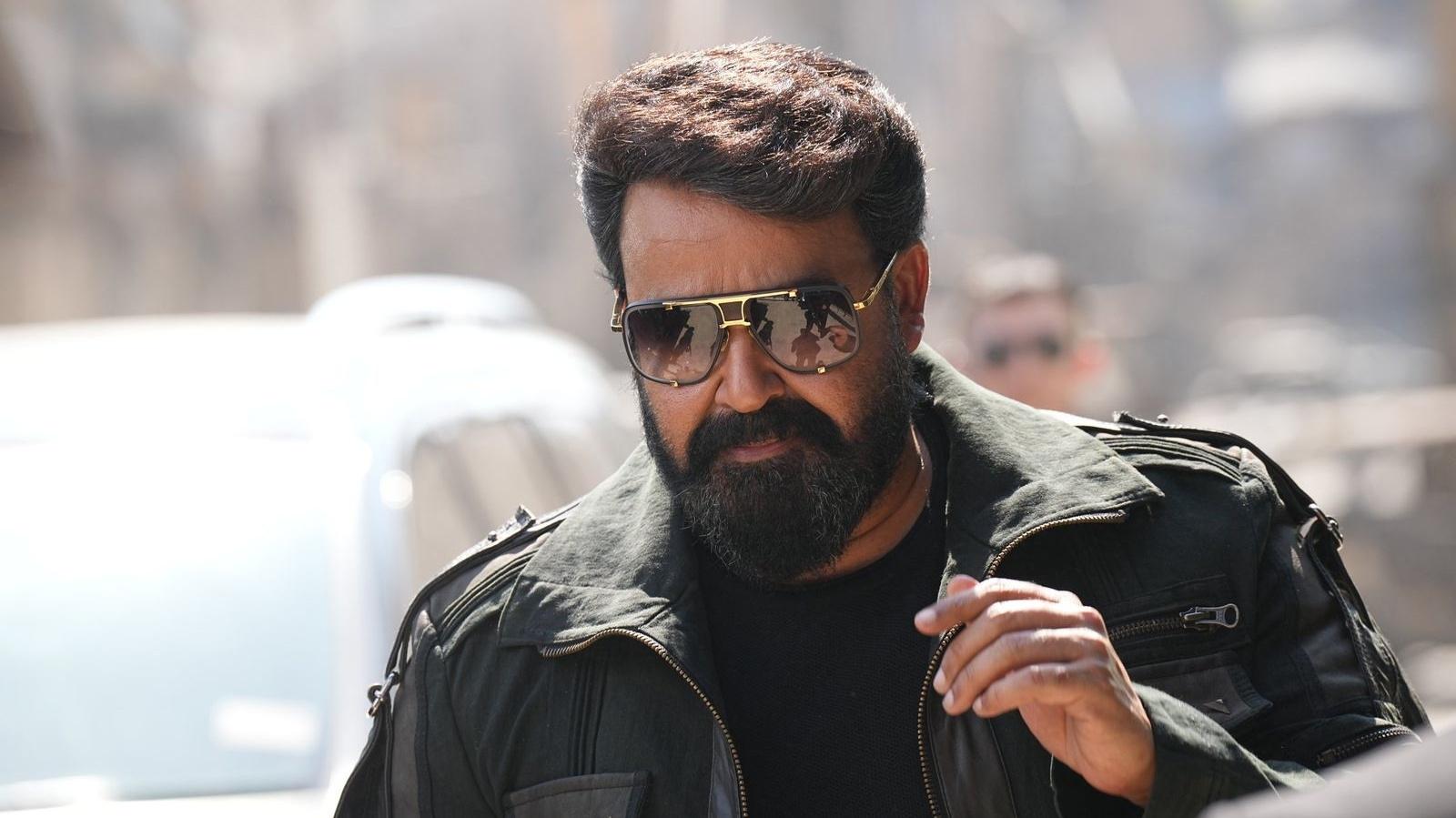 Photo: TMDb
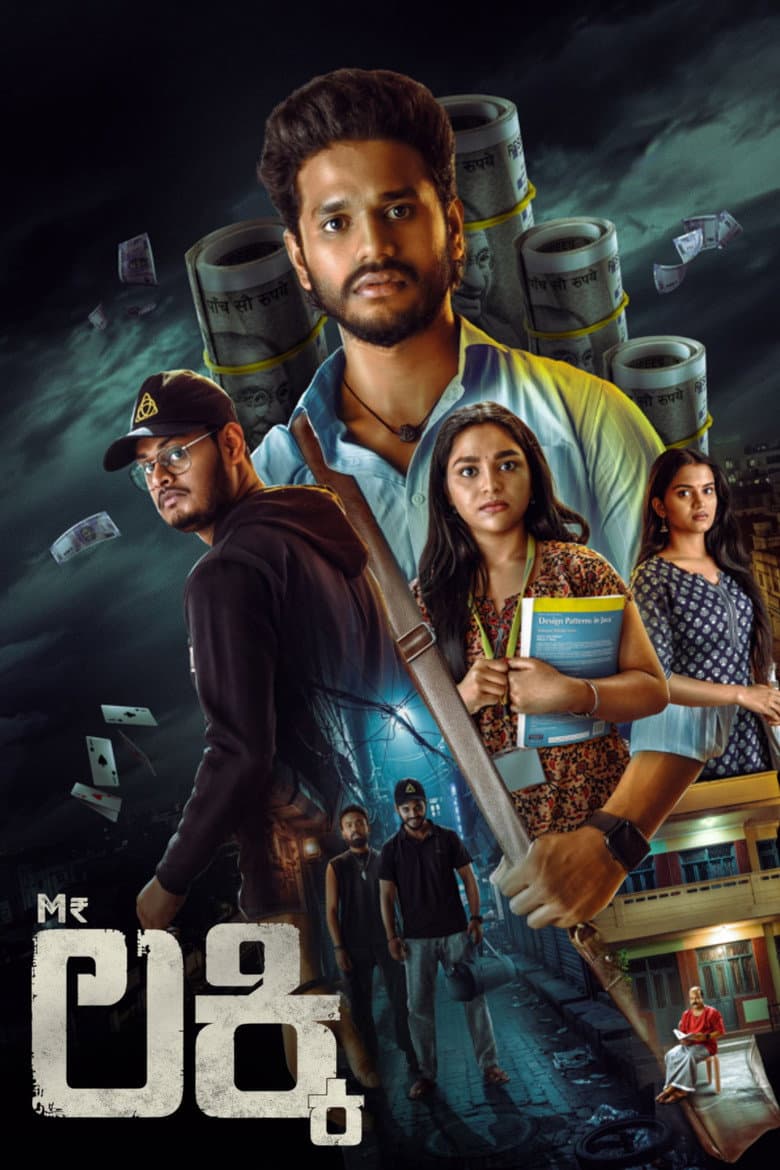
The father roles form a line rather than a type. Kochu Kochu Santhoshangal (2000) casts him as Gopan, Sooryan (2007) as Sooryanarayanan, and Aakasha Mittayee (2017) as Jayashankar. The last of these sets a friendly father, one who encourages his son to pursue his dreams, against a father who imposes his own perspective and a third who is indifferent to his boy's future. My Great Grandfather (2019) gives him Michael, a businessman in his forties whose engagement is upended when a young woman arrives with her son claiming to be his daughter. It is a late example of a comic lead carrying a whole film on charm.
The character turns matter just as much. Vrudhanmare Sookshikkuka (1995) casts him as SP Vijay Krishnan and Manthrikan (2012) as Mukundan Unni. These are supporting or character parts, and they show that he was never fixed to the lead slot.
What He Returns To, and Where He Sits
Certain figures recur. The father weighing a grown son's future. The middle-class husband at home. The friend inside an ensemble. The comic lead who holds a film together. They return across the 1990s, the 2000s and the 2010s, and that repetition is what makes the career readable from outside the industry: you can trace a subject across decades rather than a single hit.
Where he sits is mainstream Malayalam cinema, with sustained commercial presence, occasional Tamil work and national recognition in 2011. For a reader outside the region, the entry points are the domestic comedy and the father role. From there his filmography works as a map of what mainstream Malayalam cinema has asked of its leading men across three decades.
For related coverage of Malayalam cinema's working histories, see the Malayalam cinema overview at Britannica and the Padma awards listings from the Government of India.