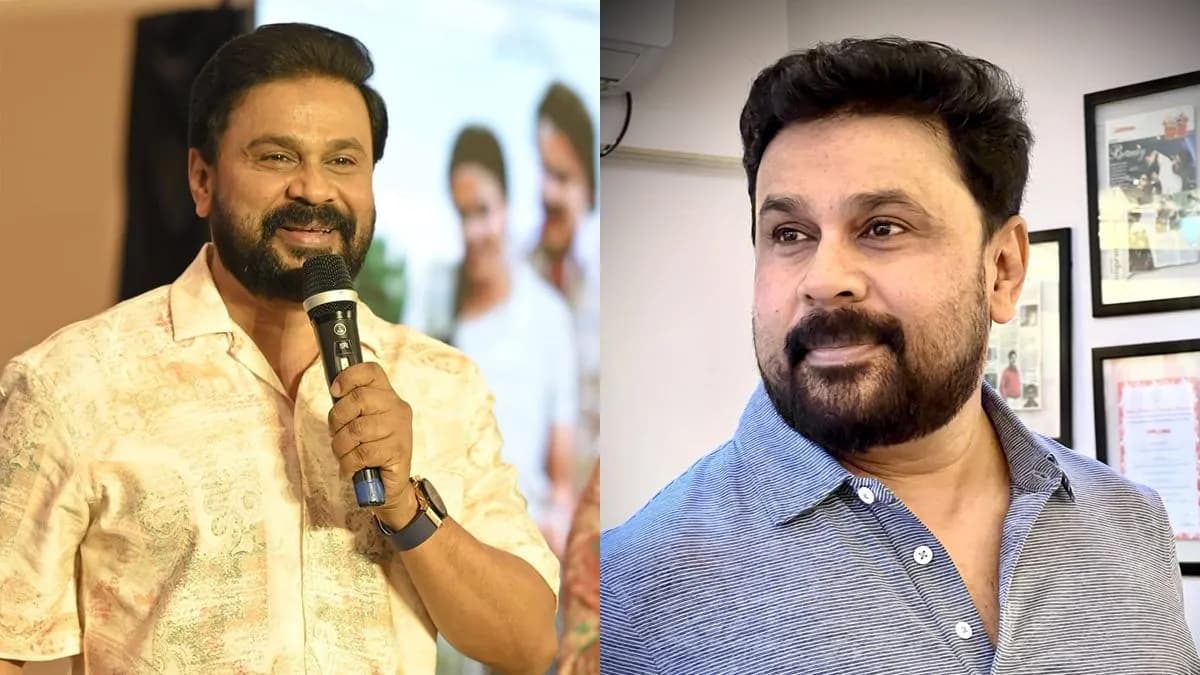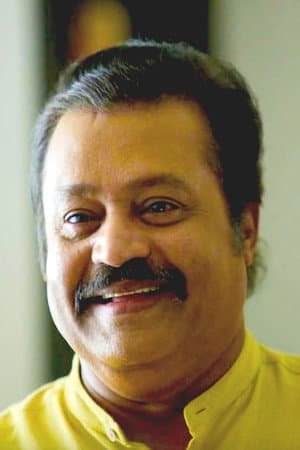
Chemban Vinod Jose: A Career In Malayalam Cinema is a study of how an unusual entry point can lead to one of the most distinctive bodies of work in the industry. He trained as a physiotherapist, a profession far removed from film sets, before making his debut in the crime film Nayakan in 2010. That late arrival matters to how his career reads. He did not come in as a polished lead groomed for romance. He came in as a character presence, and Malayalam cinema has spent the years since finding new ways to use him.
Readers who follow the industry from outside the region should know one term that recurs here: character actor. In Indian cinema this means a performer who specialises in supporting roles that carry real weight, often the figures who shape a scene rather than centre it. The description fits Chemban Vinod Jose closely. His career is a study in how much a film can gain from a face and a voice in the margins.
The Films That Built The Reputation
The middle years of the 2010s established him. Amen (2013) and 5 Sundarikal (2013), the latter an anthology film, placed him in ensemble company. Tamaar Padaar (2014) and Sapthamashree Thaskaraha (2014) followed, then Iyobinte Pusthakam (2014), a period film whose scale and seriousness gave his screen presence a different register.
No single flavour of film confined him. Kohinoor (2015) is a caper about a plan to loot diamonds from a store, with his Nicholas drawn into the scheme. Aadu (2015) cast him as Highrange Hakkeem. Oru Second Class Yathra (2015) gave him the role of Maran. Nee-Na (2015) placed him in the character Jeljo, known in the film as Kari oil. Then came Darwinte Parinamam (2016), where a television operator named Anil Anto crosses paths with Darwin, a crime boss. Kali (2016) added Chakkara to the list.
A screenwriting debut arrived in 2017 with Angamaly Diaries, directed by Lijo Jose Pellissery. The step from performing to writing is a significant one in any film industry, because a writer shapes a film before a single frame is shot, and the credit signalled a wider ambition.
Writing, Producing And Standing Alone
The later filmography shows that ambition taking other forms. Maradona (2018) placed him in a story about a young man whose dangerous circumstances push him out of his hometown and into Bangalore, where he stays with distant relatives and finds matters worsening. He plays Martin in that film.
Swathanthryam Ardharathriyil (2018) is a prison break film, with his Devassya part of a story that begins with a financial firm's manager jailed while trying to protect the woman he loves. Bheemante Vazhi (2021) credited him as an actor, a writer and a producer, with the role of Maharshi. Sulaikha Manzil (2023) did the same, with the role of Sameer and a producer credit. Romancham (2023) cast him as Sayed.
The move into production is worth pausing on for readers new to how Indian films are financed. A producer is the person who assembles the money and the team behind a film, carrying the risk before anything reaches a screen. Taking that credit alongside acting and writing tells you he wanted a hand in what gets made, not only in what gets performed.
Why The Name Travels
The Roles He Returns To
The pattern across the filmography is a willingness to be the destabilising element. His characters are often men on the edge of a plot's centre: fixers, small operators, figures with schemes of their own. Kohinoor lets him play a man who quietly redirects a plan for his own gain, hiring two small-time thieves so the booty can fall to him. Darwinte Parinamam sets him as the crime boss who changes a newcomer's life. In Swathanthryam Ardharathriyil and Maradona, the worlds are tense and the stakes are survival.
What connects the work is not genre but temperature. He is reliable in films that mix crime with humour and films that play their danger straight. That range explains why directors keep returning to him, and why his producer and writer credits read as a natural extension rather than a departure.
Where He Sits, And Why To Know The Name
Malayalam cinema is known well beyond Kerala for tight scripts, modest budgets used with discipline, and ensembles that reward attention. Chemban Vinod Jose is a useful entry point into that tradition. He appears in the kind of films that travel on word of mouth rather than scale, and his career shows how a performer can build a body of work without ever being the conventional centre of it.
For a reader outside the region, the name is worth learning because it signals a certain kind of Malayalam film: grounded, often darkly funny, driven by character rather than spectacle. Start with Kohinoor, Darwinte Parinamam or Maradona and the pattern becomes clear.
Background on the industry's wider output is available through the Kerala State Chalachitra Academy and the National Film Development Corporation, both useful starting points for readers building a watchlist.