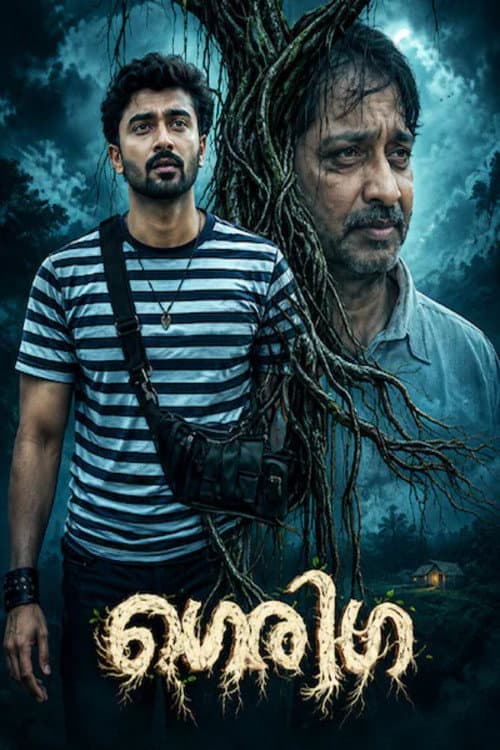
Bhaskar Bantupalli’s Geriga is a film of two halves. The first act, unfortunately, is its weaker part. It spends considerable time establishing the shallow, selfie-obsessed world of Vijay and his friends. Their initial antics feel overly familiar and border on grating, and the actors seem to be settling into their roles rather than owning them. Rishan Sha, as Vijay, initially plays the role of the charismatic but reckless leader with a certain detachment, making it difficult to root for him before his possession. The dialogue here is functional, serving to move the plot from the urban setting to the eerie, mist-shrouded village of Naivad.
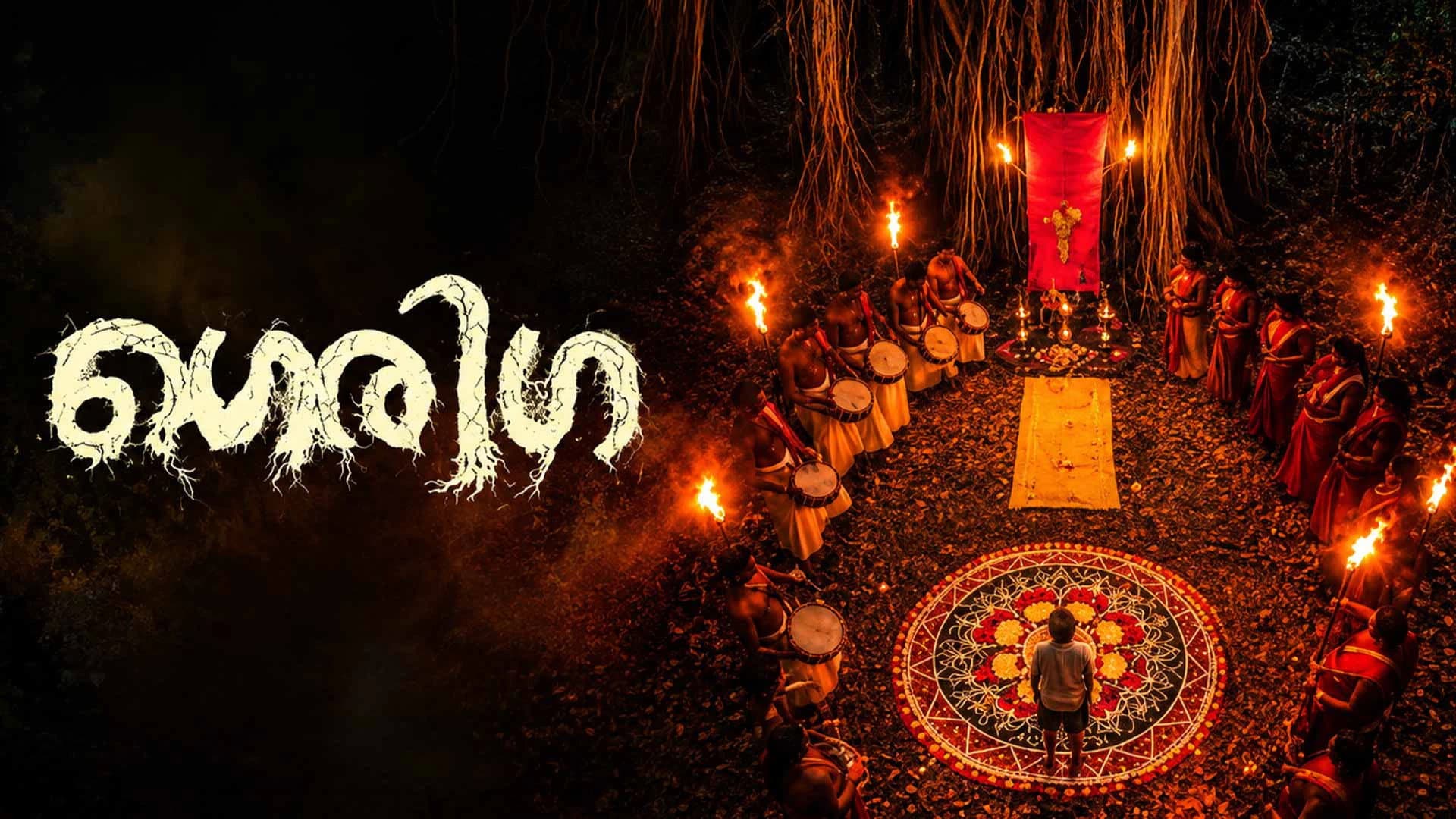
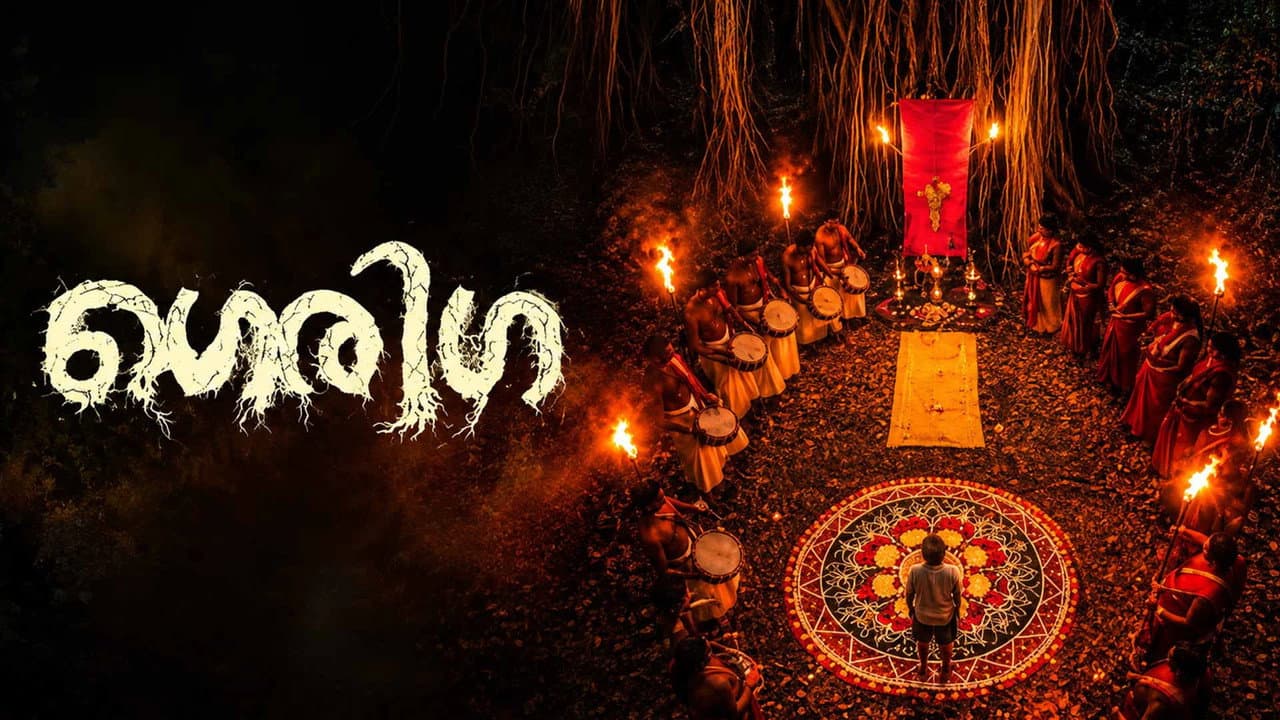
Once the group arrives in Naivad and the story focuses on the ritual itself, the film finds its footing. The possession sequence is genuinely unsettling. The cinematography shifts from the bright, noisy visuals of the group's vlogs to a more muted, shadowy palette that effectively builds tension. The film smartly avoids relying solely on jump scares, instead creating a pervasive sense of dread. The "science fiction" angle, hinted at in its genre classification, is woven in subtly, suggesting that the "Geriga" phenomenon might be an ancient understanding of a phenomenon science is only beginning to grasp. This is not a high-tech sci-fi film, but rather a story that posits ancient rituals as a kind of lost technology for interfacing with forces beyond our comprehension.
The supporting cast, particularly Neebha Bala and Anjana Nair as two of the friends, provide a solid emotional anchor. Their transition from flippant content creators to terrified survivors is believable. Sundhar Pandyan, as a village elder, brings a necessary gravitas, acting as the guide who explains the terrifying rules of the supernatural game they are now forced to play.
The ticking clock element - the twelve days to complete the ritual - is a classic thriller device that Bantupalli deploys effectively. The second half is a race against time, filled with unsettling visions, internal group conflicts, and a desperate attempt to decipher the ritual's true nature. The film's final act is tense, offering a satisfying, if slightly predictable, resolution that hinges on the group's willingness to sacrifice for one another. The visual effects for the supernatural elements are largely restrained, which works in the film's favour, as the more abstract and less-is-more approach keeps the horror grounded in the characters' terror.
While Geriga doesn't break new ground in the horror genre, it uses its influences well. There are echoes of found-footage horror but without the restrictive format, and the overarching theme of cultural appropriation - mockingly using a sacred ritual for personal gain - is a potent one. The film ultimately serves as a grim warning: some doors are not meant to be opened for entertainment, and the past does not take kindly to being disturbed for a few moments of online fame.