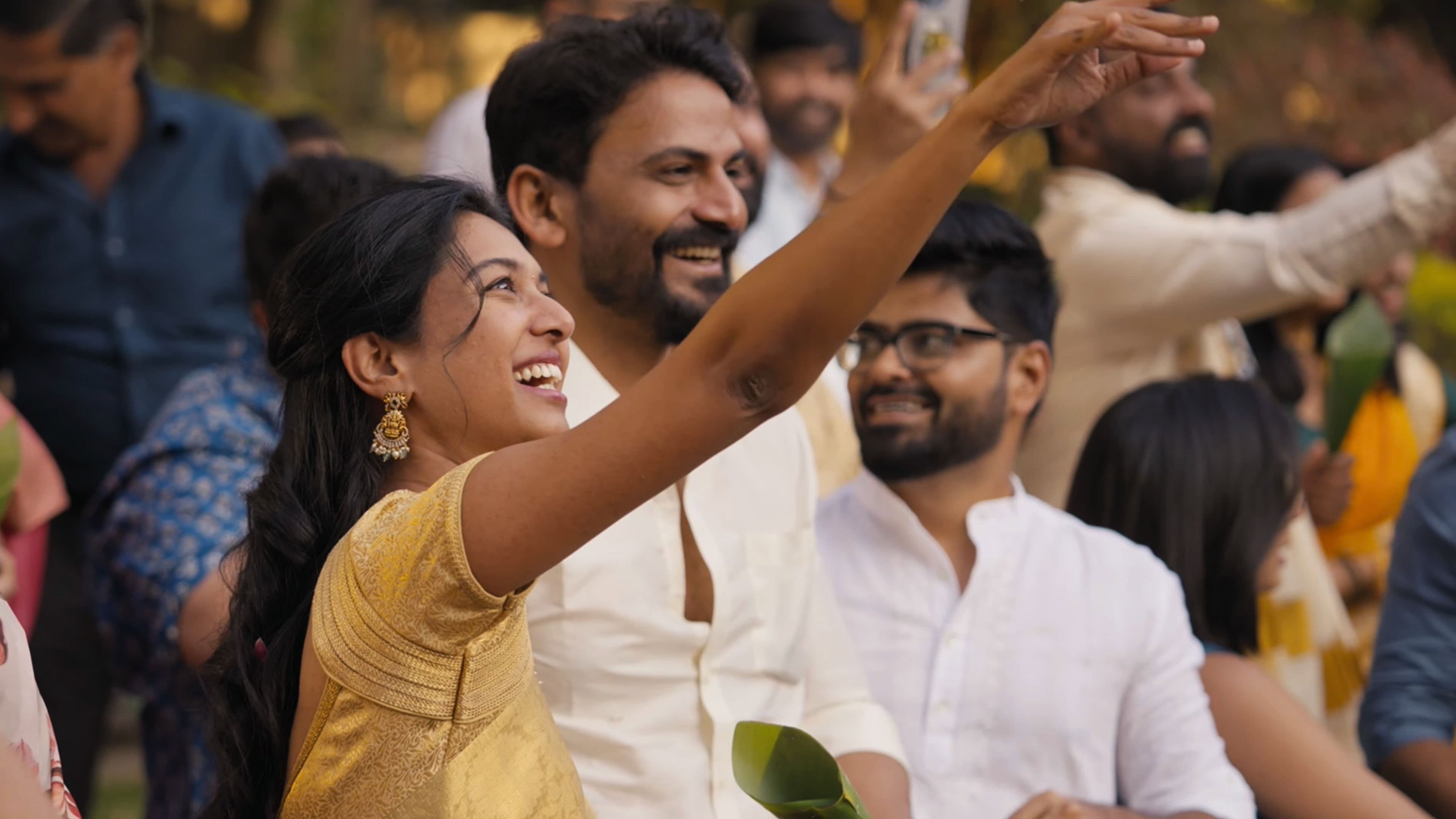
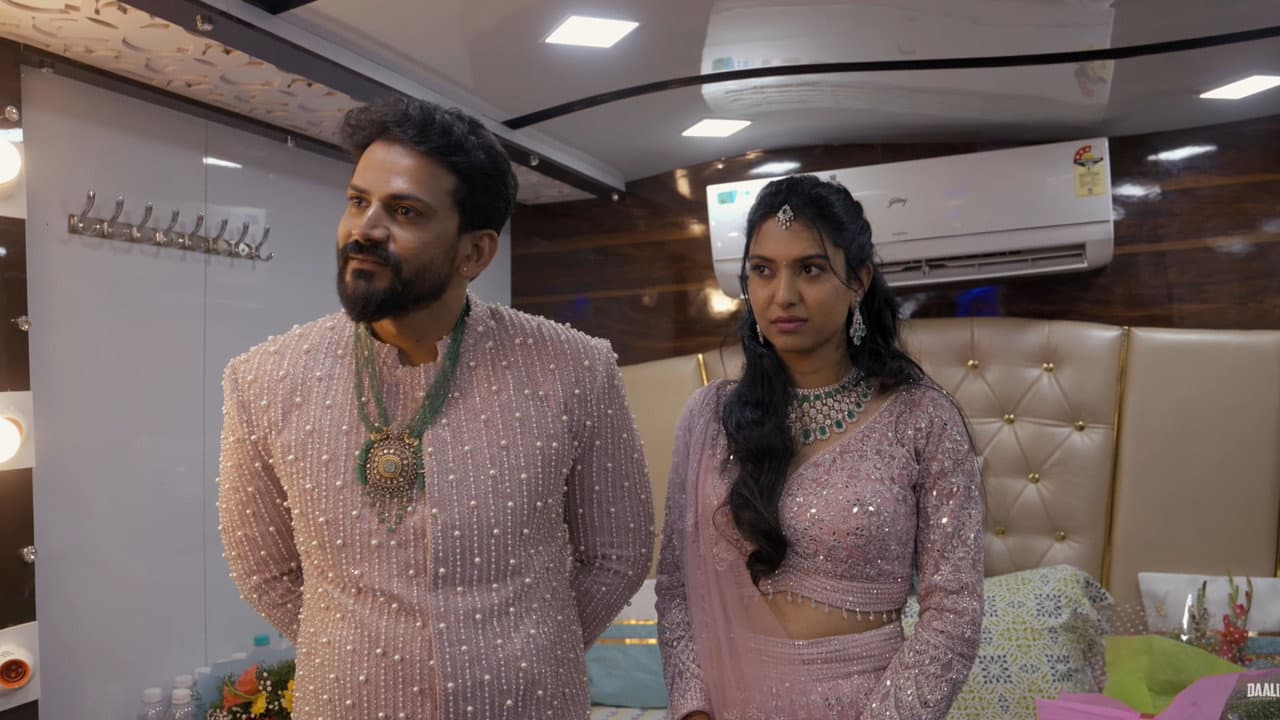
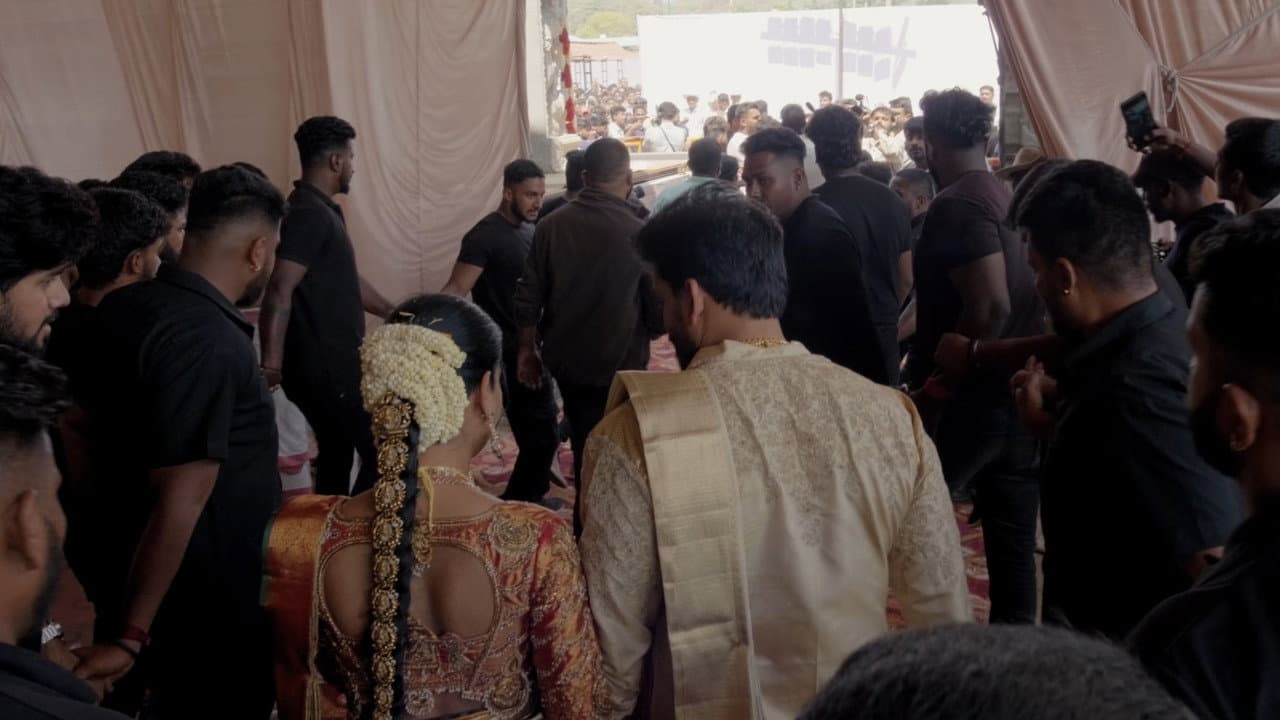
The premise is disarmingly simple. Dhananjay, a well-known screen presence, and Dr. Dhanyatha Gauraklar allow a film crew into an important chapter of their lives, culminating in their wedding. But Rao's camera refuses to treat the ceremony as the finish line. Instead, the film drifts through the months around it: conversations with parents, logistical decisions, private jokes, the small negotiations that precede any shared future. The wedding arrives as part of the story rather than its whole. What emerges is less a celebrity diary and more a study of how two people, each with established lives, begin the slow work of becoming a unit without losing themselves.
Movie Review
Dhana Dhanya Kalyana Review: A Tender Kannada Portrait
Jaysurya·4 min read
Director
Akshay N Rao
Language
KN
Release
2026-11-06
Runtime
102 min
Quick Verdict
A tender, unhurried portrait of commitment that earns its emotional payoff through patience rather than spectacle. It won't convert viewers who need narrative momentum, but for anyone drawn to intimate nonfiction, this is a genuinely rewarding sit.
Story
Review
Rao's approach is deceptively passive. He plants the camera and waits, trusting that everyday moments will carry more weight than staged confessionals. It is a gamble that mostly pays off. A sequence of the couple discussing living arrangements unfolds with the easy rhythm of real conversation, full of overlaps and unfinished sentences, and it is far more revealing than any direct-to-camera interview could have been. The film understands that commitment is built in these unglamorous exchanges, not in the garlands and the drums.
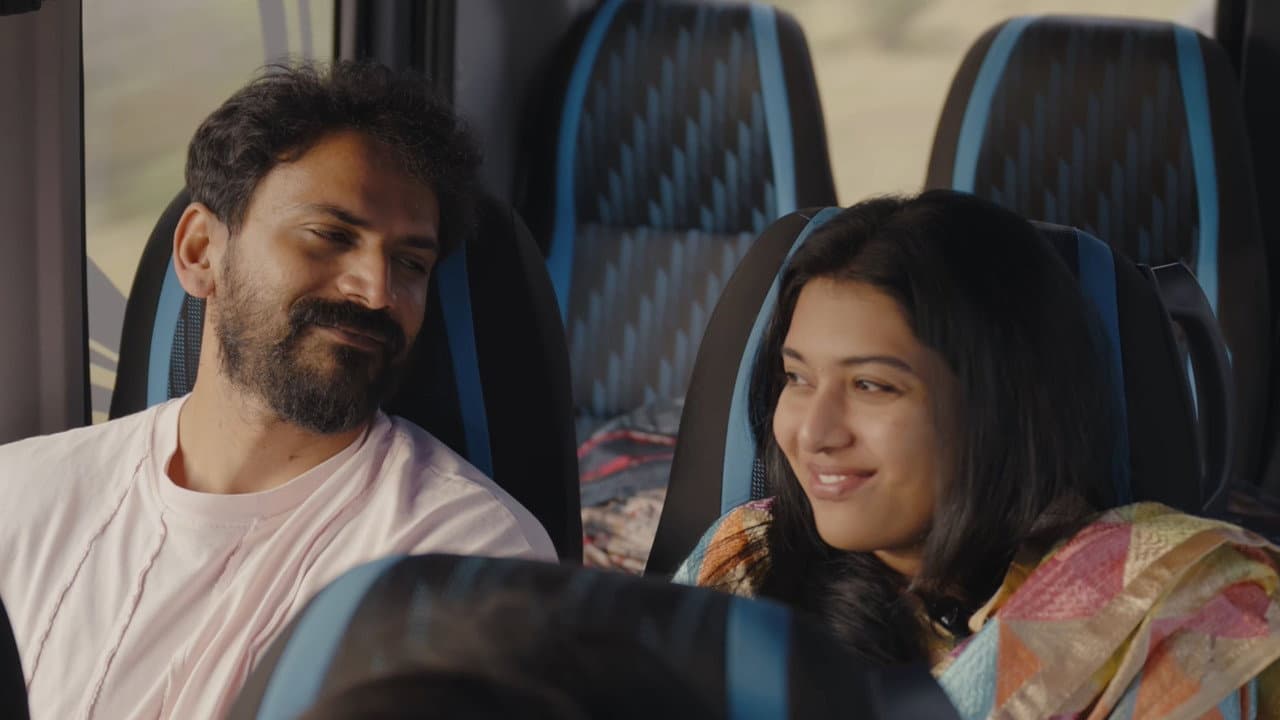
Dhananjay and Dhanyatha make for compelling company precisely because they decline to perform. She brings a physician's practicality to the proceedings; he oscillates between humour and a visible, quiet nervousness about the transition ahead. Their families hover at the edges, and Rao gives them just enough room to register as characters rather than background - a mother's small anxieties, a father's silence, the way relatives negotiate traditions that half of them no longer fully understand. The documentary never mocks these rituals, nor does it sanctify them. It observes.
Where the film stumbles is in its shaping. At 102 minutes, certain stretches feel like a director reluctant to leave anything on the cutting room floor. A few scenes of wedding preparation drag past the point of insight, and the film occasionally mistakes duration for depth. Rao also resists imposing structure to a fault; viewers hoping for clear chapters or a build toward revelation will find the middle section meandering. And while the couple is famous, the film deliberately withholds context about their careers, which keeps the focus intimate but may leave the uninitiated wanting a little more grounding. The observational style is also simply not for everyone - this is a film about being present, not about being told what to think.
Still, the cumulative effect is quietly potent. By the closing scenes, minor earlier moments - the suitcase, a shared glance across a crowded room, a mundane phone call - have accrued unexpected emotional weight. It is a reminder that this kind of filmmaking, done with honesty, can make strangers' lives feel like our own.
Pros & Cons
Pros
- Genuinely unforced intimacy between the couple, especially in unscripted, mundane exchanges
- Rao's patient camera style lets relationships reveal themselves organically
- Respectful, nuanced treatment of family and tradition without sentimentality
- The wedding is contextualised, not fetishised - refreshing for the genre
Cons
- Some wedding preparation sequences outstay their welcome at 102 minutes
- Deliberate lack of structure makes the midsection drift
- Limited career context may leave unfamiliar viewers wanting more
- Slow pacing will test viewers accustomed to conventional narrative documentaries
Rating Breakdown
Direction & Filmmaking Craft7.0/10
Story & Narrative Flow6.0/10
Emotional Engagement8.0/10
Honesty & Authenticity9.0/10
Editing & Pacing6.0/10
Overall Watchability7.0/10
Final Verdict
Dhana Dhanya Kalyana is a slow, honest film about the ordinary labour of love, and there is real value in its refusal to dramatise. It requires patience, and it occasionally mistakes lingering for depth, but Rao's film ultimately earns its quiet power. This is documentary as observation rather than argument - an invitation to sit with two people as they build something together.
Cast

Dhananjay
self
D
Dr. Dhanyatha Gauraklar
self
Gallery
#Review#Movies#Entertainment#2026