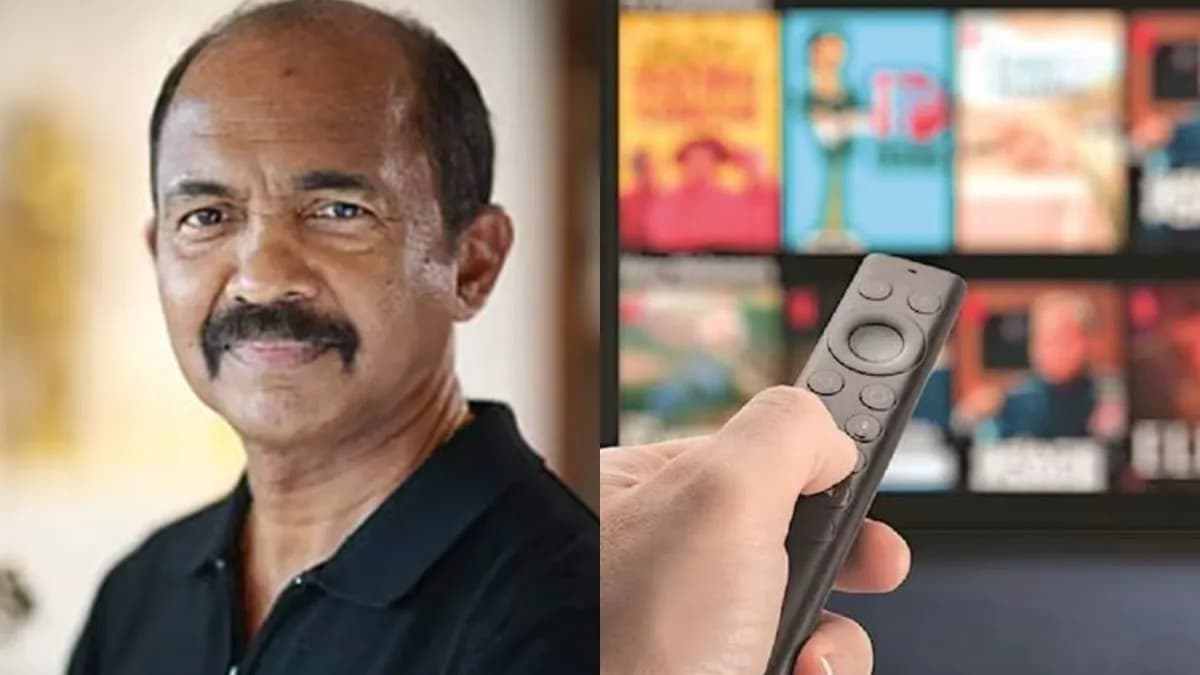
Venu Kunnappilly, the producer behind some of Malayalam cinema's bigger recent bets, has said that roughly 90 percent of Malayalam films are failing, and he places a large share of the blame on a sharp drop in demand from streaming platforms. Speaking plainly about the state of the industry, the producer argued that the digital market, once treated as a dependable second window for recovery, has cooled considerably, leaving producers with fewer ways to recoup their investment.
His assessment lands at an anxious moment for Malayalam cinema. The past few years brought genuine highs, with a string of mid-budget films earning national attention and a handful of titles travelling to major festivals. But the volume of releases has also climbed, and with it the pressure on theatres and on the streaming deals that many producers count on to balance their books. Venu Kunnappilly's figure, while a broad estimate rather than an audited tally, captures a mood that has been building across the industry for months: that success is increasingly the exception and struggle the norm.
Why the Streaming Tap Has Tightened
The heart of the producer's argument is that Malayalam cinema's business model leaned heavily on OTT sales during the pandemic years, when theatres were shut and platforms were hungry for content. That phase, he suggests, has ended. Platforms have grown more selective, tightened their budgets and shifted toward fewer, more expensive originals rather than acquiring every finished film that comes their way. For producers who budgeted their projects expecting a certain digital payout, the new reality has been sobering.
Scale matters too. Malayalam cinema releases dozens of films every year, many of them small productions with limited theatrical visibility. When those films underperform in cinemas, the OTT deal often decides whether a producer breaks even. If that safety net weakens, the arithmetic of making films changes quickly. Kunnappilly's point is not that streaming has abandoned Malayalam content entirely, but that the easy money has dried up and the terms have become far less forgiving.
A Question of Quality as Much as Markets
There is a second, less comfortable explanation embedded in any discussion of a failure rate as high as the one Kunnappilly cites. Not every film that fails to find a buyer on a platform is the victim of a changing market. Many arrive with modest budgets, thin promotion and little to distinguish them in a crowded release calendar. The producer's remarks implicitly raise the question of whether the industry has been greenlighting more films than either theatres or streaming services can absorb.
For established filmmakers and stars, the outlook remains healthier; top-tier projects still attract attention and secure deals. The strain is felt most acutely in the middle and lower reaches of the market, where new directors and small producers operate without the cushion of a bankable name. Those are precisely the filmmakers for whom an OTT sale often means the difference between a loss and survival.
What Producers Are Asking For
Behind the numbers is a plea for realism on both sides of the table. Producers want platforms to be transparent about what they are looking for and to recognise the value of regional cinema rather than treating Malayalam titles as filler. They also want the industry to confront its own habits, from inflated budgets to release strategies that pit too many films against each other in the same window.
The larger anxiety concerns the pipeline of new talent. If small films cannot recover their costs, financiers grow cautious, and cautious financiers mean fewer chances for first-time directors. Malayalam cinema's recent reputation for invention was built largely on exactly those kinds of modest, risk-taking productions. A prolonged squeeze on their economics could quietly erode the creative breadth that has become the industry's calling card.
Kunnappilly's comments are unlikely to be the last word on the subject. The industry will keep debating how much of the problem is structural and how much is self-inflicted. But his headline figure, however approximate, has given the conversation a sharper edge, framing a question that producers, platforms and filmmakers will have to answer together: how does Malayalam cinema rebuild a sustainable model when its safety net is no longer as wide as it once was?
Source: Filmibeat Malayalam