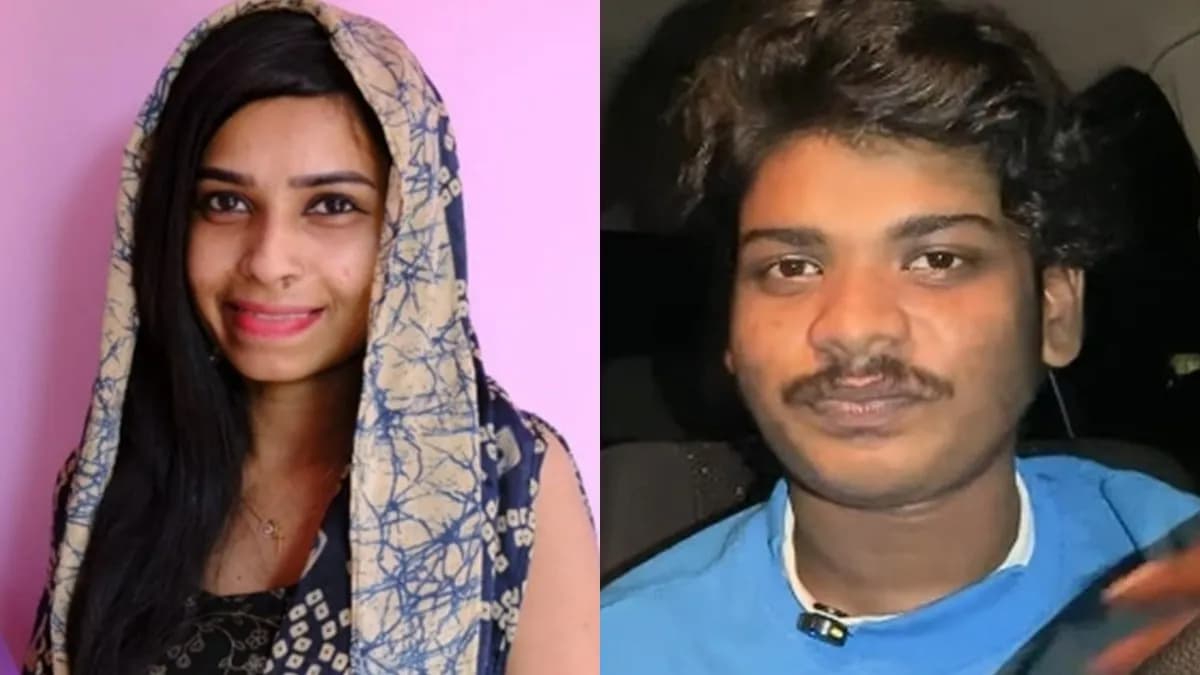
Seven months have passed since actor Renu Sudhi last had any word about her son, the young actor known to Malayali audiences as Kichu, and she says the silence has become its own kind of ordeal. In an emotional interview that has drawn wide attention across Kerala's entertainment circles, Sudhi opened up about the double burden she has carried since her cancer diagnosis: the fear for her child and the sting of how sections of the media treated her during her illness.
The interview, which has circulated widely on social media and been picked up by Malayalam entertainment outlets, centres on a mother's anguish over her prolonged separation from her son. Sudhi's remarks have resonated strongly with audiences familiar with Kichu's work and with his mother's own screen presence, and the response suggests a public appetite for a more humane conversation about how the families of public figures are covered.
A Mother's Pain Over Kichu's Silence
The most striking portion of Sudhi's remarks concerned the absence of any contact with Kichu for roughly seven months. She described the experience of not knowing how her son is doing, and the toll that prolonged uncertainty has taken on her. The way she framed it, the distance is not merely physical but emotional, a gap that has widened with each passing week without word.
For a mother already grappling with a serious illness, that absence appears to have compounded an already difficult period. Sudhi did not go into the private circumstances behind the estrangement, and it would be inappropriate to speculate. What she did make clear is that the lack of any information about her son has been a persistent source of distress.
Sudhi's Grief Over Media Treatment
Sudhi also turned her attention to the press, and her words on that subject were pointed. She said the way certain media outlets behaved toward her after her cancer diagnosis caused her genuine hurt. She did not, in the interview, single out particular publications, nor did she spell out specific incidents, but her broader observation was unmistakable: at a moment when she needed privacy and compassion, she felt some coverage treated her illness as spectacle rather than as a personal crisis.
Her remarks arrive in the context of a wider debate in Malayalam media about how the health struggles and family matters of film personalities are reported. Cancer, in particular, has become a subject around which such concerns frequently cluster, with questions raised about the line between legitimate public interest and intrusion into private suffering. Sudhi's testimony adds a personal voice to that conversation.
A Family Long Known to Malayalam Audiences
Sudhi is herself a familiar face in Malayalam cinema and television, and her son Kichu has built his own following in the industry. The family's profile has meant that developments in their lives have often attracted media coverage, which is precisely the dynamic Sudhi appears to be questioning. When a public figure falls ill, she suggested, the response should not be to turn the illness into content.
That the interview was conducted in Malayalam and has since traveled through social media indicates how quickly such personal reflections now reach audiences well beyond the readership of any single outlet. The comments have prompted discussion among film followers about the responsibility that comes with covering the private lives of artists and their families.
What the Interview Leaves Open
Sudhi's account does not resolve the central questions it raises. She has not disclosed what has kept her and Kichu apart, and she has not named the outlets whose conduct she found hurtful. Those omissions are significant; they suggest a desire to convey her pain without escalating a public dispute. Read carefully, the interview comes across less as an accusation directed at specific people than as a plea for sensitivity.
Nor did Sudhi offer any indication of when she might hear from her son or how the family's situation might change. Her focus remained on describing her experience rather than on projecting what comes next, and she made no appeals for public sympathy beyond wanting her account to be heard.
For Malayalam cinema's audience, the interview is a reminder that the people behind familiar faces lead complicated private lives. Sudhi's words carry weight precisely because they come from someone who has spent years in the public eye and who now finds herself asking for the kind of consideration that should not need to be requested. Whether her remarks shift how the industry's media handles illness and family estrangement is an open question. What is not in doubt is the pain she described, and the fact that she chose to describe it at all.
Source: Filmibeat Malayalam