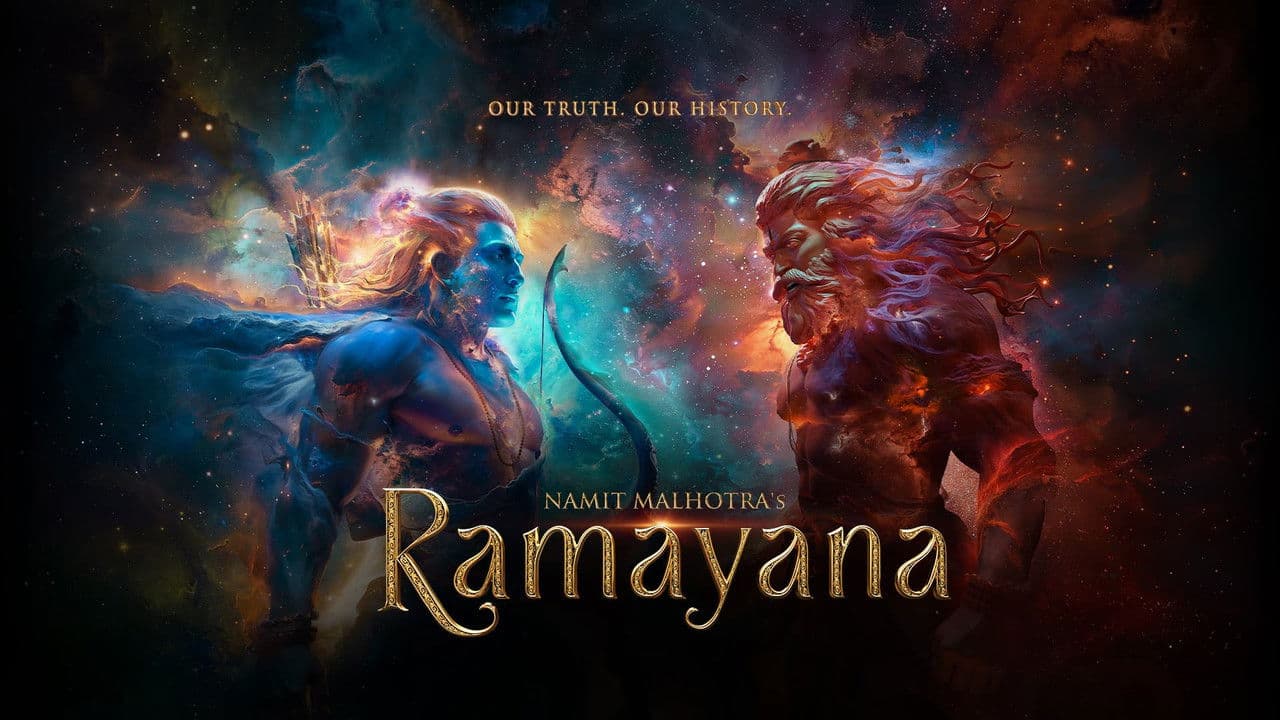
The Hindi-language epic Ramayana, directed by Nitesh Tiwari, has turned into a genuine box-office phenomenon since its November 5, 2026 release, but industry observers say the film's path to real profitability will likely require the arrival of its third installment. The first part of the planned saga, which runs 201 minutes and stars Ranbir Kapoor as Prince Rama, has drawn large audiences and holds a strong 7.625/10 rating on TMDb, yet the scale of the production means that theatrical returns alone may not be enough to push the venture into profit.
The film, which also features Yash as Ravana and Sai Pallavi as Sita, opened to considerable anticipation and has sustained momentum in the days since. Tiwari's adaptation covers the early chapters of the ancient epic, following a young prince and princess whose marriage and subsequent exile set a legendary journey in motion. That story of love, duty and destiny, according to the official synopsis, is designed to set the stage for greater challenges ahead, a structure that positions the first film as an introduction rather than a conclusion.
A Star-Studded Retelling of the Epic
The cast assembled for the project reads like a roll call of some of the most bankable names in Hindi cinema. Alongside Kapoor, Yash and Sai Pallavi, the film features Ravi Dubey as Lakshmana, Arun Govil as King Dashrath, Lara Dutta as Kaikeyi, Rakul Preet Singh as Surpanakha and Indira Krishnan as Kaushalya. Kapoor's dual assignment as both Prince Rama and Parashurama has been one of the talking points among viewers, giving the actor two distinct roles within the same narrative framework.
Tiwari, known for crafting emotionally grounded dramas, has taken on material that blends fantasy, action and adventure, a combination that has clearly resonated with audiences. The film's runtime of just over three hours has not deterred viewers, and the strong user rating suggests that the retelling has found favor with both devotees of the source material and general moviegoers.
The Question of Profitability
Despite the enthusiasm surrounding the release, the economics of the project remain a subject of discussion. The article's central claim, that the film would need a third part to be released before it can be considered profitable, points to the sprawling, multi-film architecture of the adaptation. Mounting an epic of this size involves costs that stretch well beyond a single production, and the decision to split the narrative across multiple installments means that returns are being weighed against the entire undertaking rather than one film alone.
For now, the first part has done its job by generating buzz and keeping audiences engaged. Whether that translates into the kind of sustained revenue needed to justify the full saga will depend on how the subsequent chapters are received. The film's classification as a Mollywood production, with Hindi as its original language, has also shaped how it is being positioned in the marketplace.
What Comes Next
The ending of the first part leaves the story poised for escalation, and the synopsis itself acknowledges that the journey is only beginning. That deliberate cliffhanger structure is common in franchise filmmaking, but it places added pressure on the next installment to deliver both creatively and commercially. If the third part is indeed the key to profitability, as the reported assessment suggests, then the producers will be watching the performance of the follow-ups closely.
For audiences, the immediate takeaway is that the Ramayana saga has arrived with force and has no intention of wrapping up quickly. The first film has established its world, introduced its principal players and set the emotional stakes. What remains to be seen is whether the momentum can be carried through to the later chapters and whether the grand plan behind the adaptation will pay off at the box office.
Ramayana is currently playing in theaters. The film runs 201 minutes and is rated 7.625/10 on TMDb.
Source: Filmibeat Malayalam