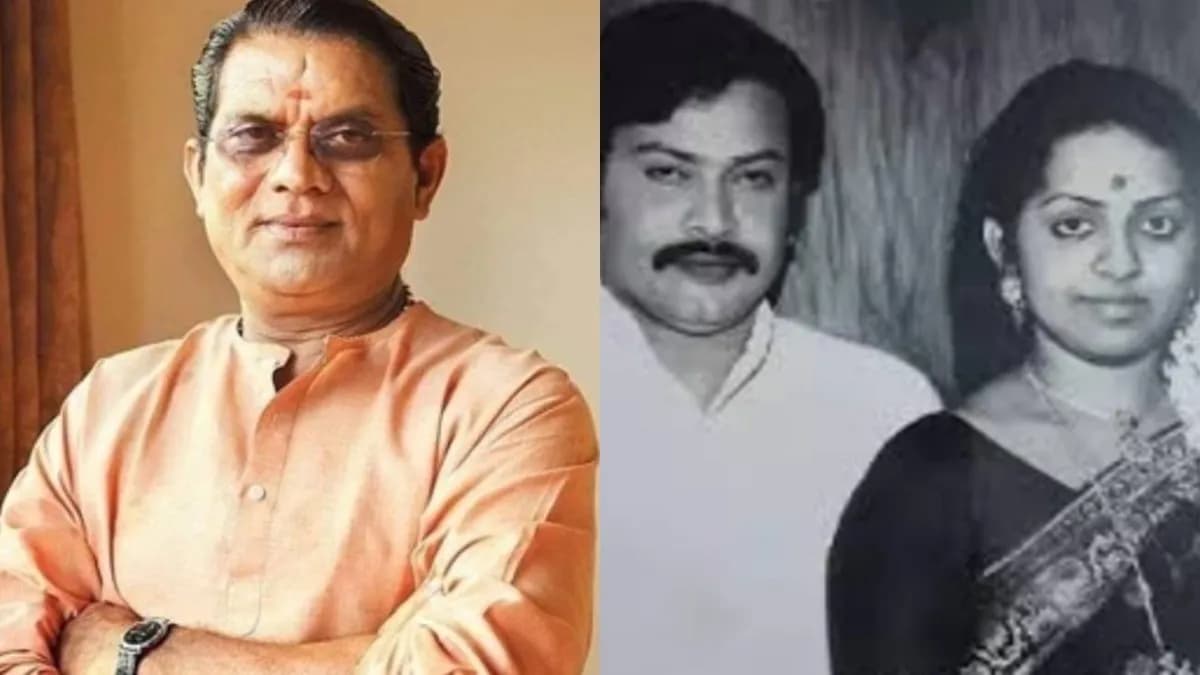
The title of the interview says a great deal before a single answer is read. In a conversation that has drawn wide attention across Malayalam cinema circles, a well-known figure opens up about returning home after a marriage ended, about a father who stepped forward to lead the push for divorce, and about a fear of community judgment that once weighed heavier than the separation itself. There are no new release dates or cast announcements attached to the discussion; its pull lies entirely in what it says about family, faith and public opinion.
The account at the centre of the interview describes a woman going back to her family home without her partner, whose name appears in the title as Mallika. The return is not framed as a defeat. It is described as a decision arrived at after a long period of difficulty, one made with the backing of her father, who took the lead in pursuing the divorce rather than leaving the matter to lawyers or to intermediaries. That detail gives the story its unusual shape: in many families, elders are assumed to be the first to resist a separation, pressing for compromise for the sake of appearances. Here, the father is presented as the one who moved first.
Equally striking is the admission attached to it. The speaker says she was afraid - not of the divorce itself, but of what her community would say. The fear she describes is social rather than legal or financial, rooted in the expectation that a woman's choices are watched and weighed by those around her. Speaking about that fear openly, and placing it beside a father's willingness to act, turns a private story into a public one without any promotional machinery behind it.
For Malayalam audiences, the themes will not feel distant. Custody disputes, the stigma surrounding divorce and the pressure to keep a marriage intact for the sake of family reputation are familiar territory in the industry's recent output, on screen and off. What distinguishes this particular account is the way the emotional burden is distributed. The apprehension belongs to the woman. The decisiveness belongs to her father. That inversion of the usual roles is likely to be the part of the interview most discussed.
The public figure involved has not used the conversation to announce a project, and nothing in the available material ties the discussion to a film or a promotional cycle. It stands on its own as testimony. That makes it difficult to frame as marketing, and harder still to dismiss as gossip. It reads instead as an account of a family choosing a difficult path and of a woman learning to live with the consequences of having her private life treated as communal property.
What the Interview Adds to a Wider Conversation
Divorce remains an uncomfortable subject in large parts of Malayalam society, and film personalities who speak about it often do so in carefully managed terms. This interview takes a plainer route. The title itself names the fear, places the father at the centre of the divorce process and records the return home, all without softening. For readers who have followed similar stories in the industry, the pattern is clear enough: personal revelations now carry their own news value, independent of any release. The details that would round out the picture - how the decision was taken, who was consulted first, how it was received within the family - surface only in fragments. What comes through most consistently is the fear of public opinion, and the relief of having a parent who put his daughter's well-being ahead of what neighbours might say.
That sentiment has resonated well beyond one household. Older readers have recognised relatives in the father's stance; younger ones have recognised their own hesitation in the daughter's words. In a state where religious and caste organisations still exercise considerable influence over public sentiment, a story about a community's disapproval arriving alongside a family's support is potent material. It also raises practical questions that the interview touches on but does not resolve: the cost of legal proceedings, the role of extended family, the awkwardness of returning to a social circle that has already formed its opinion.
None of this is presented as counsel to others. The interview remains an account of one family's experience, told from the inside. What it offers readers is less instruction than recognition - a reminder that the hardest part of ending a marriage is sometimes not the ending itself, but the anticipation of how it will be seen. On that point, at least, the speaker is candid, and the father's decision to act first gives the story its quiet force.
Source: Filmibeat Malayalam