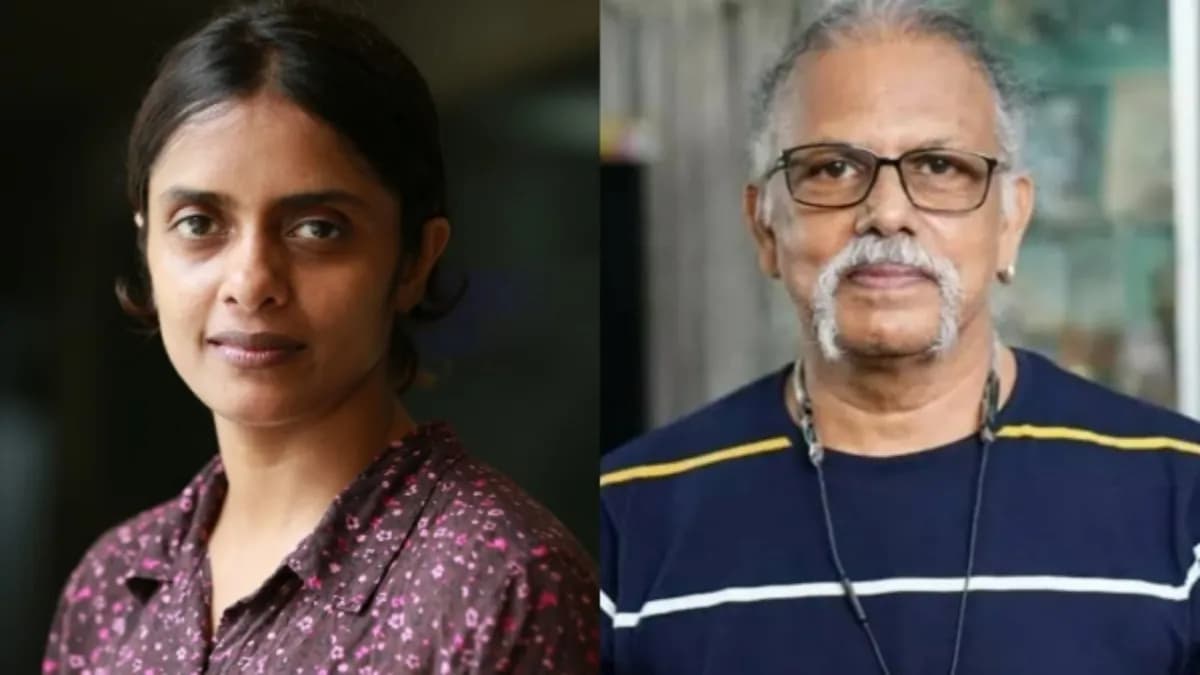
A pointed note attributed to the actor Kani has stirred fresh conversation in Malayalam cinema circles, with the observation that a man who is greeted one fine morning with the word "father" will find it hard to accept the label and will feel humiliated by it. The remark, shared as a short written note and circulated without any accompanying production announcement or promotional context, reads less like a film statement than a stripped-down observation about ego, dignity and the discomfort certain men feel when asked to occupy a role that demands humility rather than authority. Because the note carries no verified attribution details beyond the phrasing itself, it is being treated cautiously within the industry, but that has not stopped it from travelling quickly among fans and trade watchers who read it as a commentary on how masculinity is performed both on screen and off it.
The wording is simple, almost proverb-like, and that is precisely what has given it reach. In Malayalam, the idea lands with the rhythm of something overheard rather than composed for an audience, which is why several commentators have chosen to interpret it as a reflection on patriarchal reflexes rather than a personal jab at any individual. The image it conjures is deliberately ordinary: a morning greeting, a family word, and a man who cannot reconcile himself to being addressed in a way that places him in a subordinate, dependent or emotionally exposed position. Humiliation, in that reading, is not imposed from outside but manufactured internally, the result of a self-image that cannot stretch to accommodate tenderness.
A Note Without a Frame
What makes the intervention unusual is its lack of framing. Malayalam cinema is accustomed to carefully staged social media posts timed to a release, a teaser or a festival date, and audiences have learned to read such material as marketing. This note offers none of those signposts. There is no film title attached, no character named, no indication of whether the words belong to a screenplay, a personal reflection or a response to something else entirely. That ambiguity has left room for multiple readings, and the conversation has split accordingly, with some treating the line as a writerly fragment and others insisting it should be understood as social criticism aimed at a familiar figure in Malayalam households.
The absence of context has also meant that the note's meaning shifts depending on who is quoting it. Read one way, it is a gentle and faintly comic observation about the awkwardness of ageing and the arrival of respect that must be earned rather than commanded. Read another way, it is a sharper diagnosis of men who mistake authority for dignity and experience every form of care as a loss of standing. Both readings survive because the sentence itself is spare enough to hold them, and neither requires the audience to know who precisely is being described.
Why the Line Travels
Malayalam cinema has spent the past several years examining fatherhood with unusual seriousness, and the note lands in a landscape already primed for the subject. Films in the industry have repeatedly turned over the figure of the father as a source of both comfort and pressure, interrogating what happens when a man who has been treated as the centre of a household is asked to accept a smaller, softer place within it. Audiences have grown receptive to stories that treat male vulnerability as something other than weakness, and a single sentence that captures that tension can travel further than a trailer.
There is also the matter of language. The phrase about a morning greeting is domestic and intimate, and it draws its force from the way family words carry obligations. To be called father is to be asked for protection, patience and presence. For a man whose sense of self rests on command, that request can register as an accusation, and the note's claim that he would feel humiliated rather than moved is a compact way of describing that failure.
What Remains Unclear
No verified information accompanies the note, and readers should be careful about attaching it to any particular project, date or production. Nothing in the available material confirms a film, a role or a release plan, and the wording has not been tied to any specific on-screen character. For now the note stands on its own as a piece of writing that has found an audience, and the interest it has generated says as much about the industry's current preoccupations as about the line itself.
What is clear is that the observation has prompted discussion about the difference between being respected and being obeyed, and about how rarely Malayalam cinema lets a man admit that the two are not the same. Whether it eventually becomes a line of dialogue, the germ of a screenplay or simply a thought that circulated for a few days, it has already done the work that the best short writing does: it has made a familiar household word sound newly complicated, and it has left audiences arguing about a man they cannot see.
Source: Filmibeat Malayalam