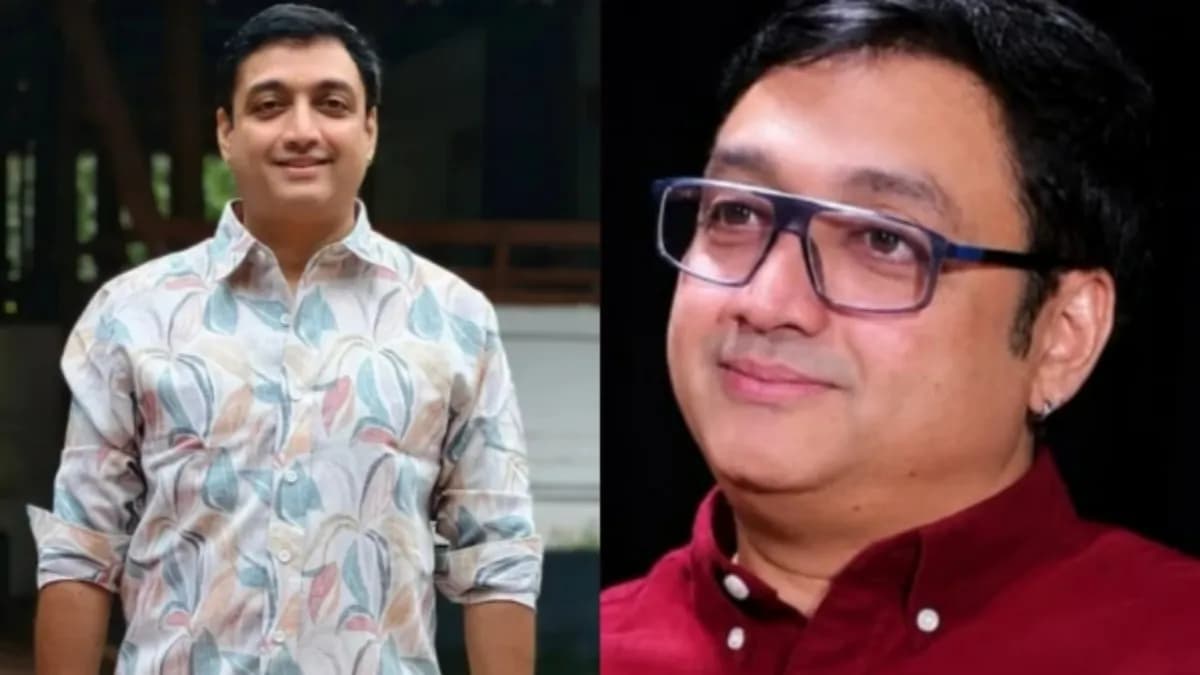
The Malayalam film industry has long treated the dubbing artist as a hidden craftsperson - heard but rarely seen, essential yet seldom celebrated. Every so often, a voice performance becomes so inseparable from the character it carries that the line between actor and artist blurs, and the industry is forced to take notice. The story of how a dubbing artist earned a state award for speaking for the character Naren - and how a later experiment in the same vein paid off for the actor Sharath - is being revisited as a reminder of just how much a voice can shape a performance. The anecdote, circulating as a note among film circles, uses that unlikely pairing to make a point about risk-taking in an industry that usually prefers the safe option. The connection is a straightforward one. When a performer is cast as the character Naren, the actor on screen is one person and the voice the audience hears is often another, and on that occasion the dubbing artist received a state award for the work. That recognition remains a rare honour for a craft that is almost never foregrounded. It also left behind a question worth returning to: what happens when the person doing the speaking is later asked to do more than mimic? The note's answer is that Sharath took on that experiment and came out on the winning side, succeeding in his own attempt at the kind of voice-driven performance the earlier award honoured.

Why a voice artist's state award still matters

A state award for dubbing is not merely a trophy in a cabinet; it is a signal that a performance without a visible face can still be judged on its own merits. Malayalam cinema has a deep lineage of dubbing artists whose voices have defined heroes, villains and comic sidekicks for generations, and those voices are often more recognisable than the faces they serve. An award in this category pulls that invisible labour into the light and, at least for a while, turns the conversation toward the people who make dialogue land even when the actor’s own delivery might not. The Naren case is a useful example because it shows the craft being rewarded for something beyond imitation. A dubbing artist is expected to match lip movement, preserve emotion and keep the rhythm of the scene intact. Doing that well is enough to keep a film running smoothly. Doing it so well that a jury decides it deserves a state award is a different order of achievement, and it suggests the performance carried more than the original actor's presence could have carried alone.

Sharath and the risk of a voice-led experiment

The second half of the note concerns Sharath. The account holds that the kind of experiment that once earned a state award has now worked in his favour, which places him in the same lineage of performers willing to let a voice do the heavy lifting. For an actor, that is not an automatic win. A voice that is too strong can overwhelm the face; a voice that is too weak can leave the character hollow. When the balance is right, the audience stops separating the two and simply experiences a single, coherent person on screen. What the note does not do is offer numbers. There are no figures, no detailed timeline and no fresh citations of awards or box-office returns. It speaks in the language of a cultural observation rather than a statistical claim. That is part of its appeal and also its limit. Readers who want certificates and dates will not find them. What they will find is a simple argument: the same intuition that was once considered worth a state award is worth trying again.

What the reminder says about Malayalam cinema today

Malayalam cinema has been unusually willing to test form in recent years, moving between hyper-local stories, ensemble dramas and experiments that would have seemed commercially risky a decade ago. Dubbing sits quietly inside that larger story. It is not a genre, not a star vehicle, and not something audiences discuss on the way out of the theatre. Yet it determines how every character feels. When a voice artist wins an award, the industry is acknowledging that the audience has been listening more carefully than it gets credit for. The note's conclusion is deliberately modest. It does not declare Sharath transformed or the earlier award vindicated forever. It simply records one earlier success and one later one, and leaves the reader to draw a line between them. That is often how the most durable industry stories travel - not through headlines, but through the memory of a performance that still sounds louder than the performer who gave it. For Malayalam Movie Buzz, the takeaway is worth repeating: the next time a character feels effortless, it may be worth asking who supplied the voice. On the evidence of the note, that unknown contributor can end up with a state award - and the experiment can work for Sharath now, just as it did before. *Source: [Filmibeat Malayalam](https://malayalam.filmibeat.com/features/from-narens-voice-to-ranbir-kapoors-lord-rama-sarath-das-impresses-with-ramayana-dubbing-146127.html)*