Advertisement
160×600
Left Ad
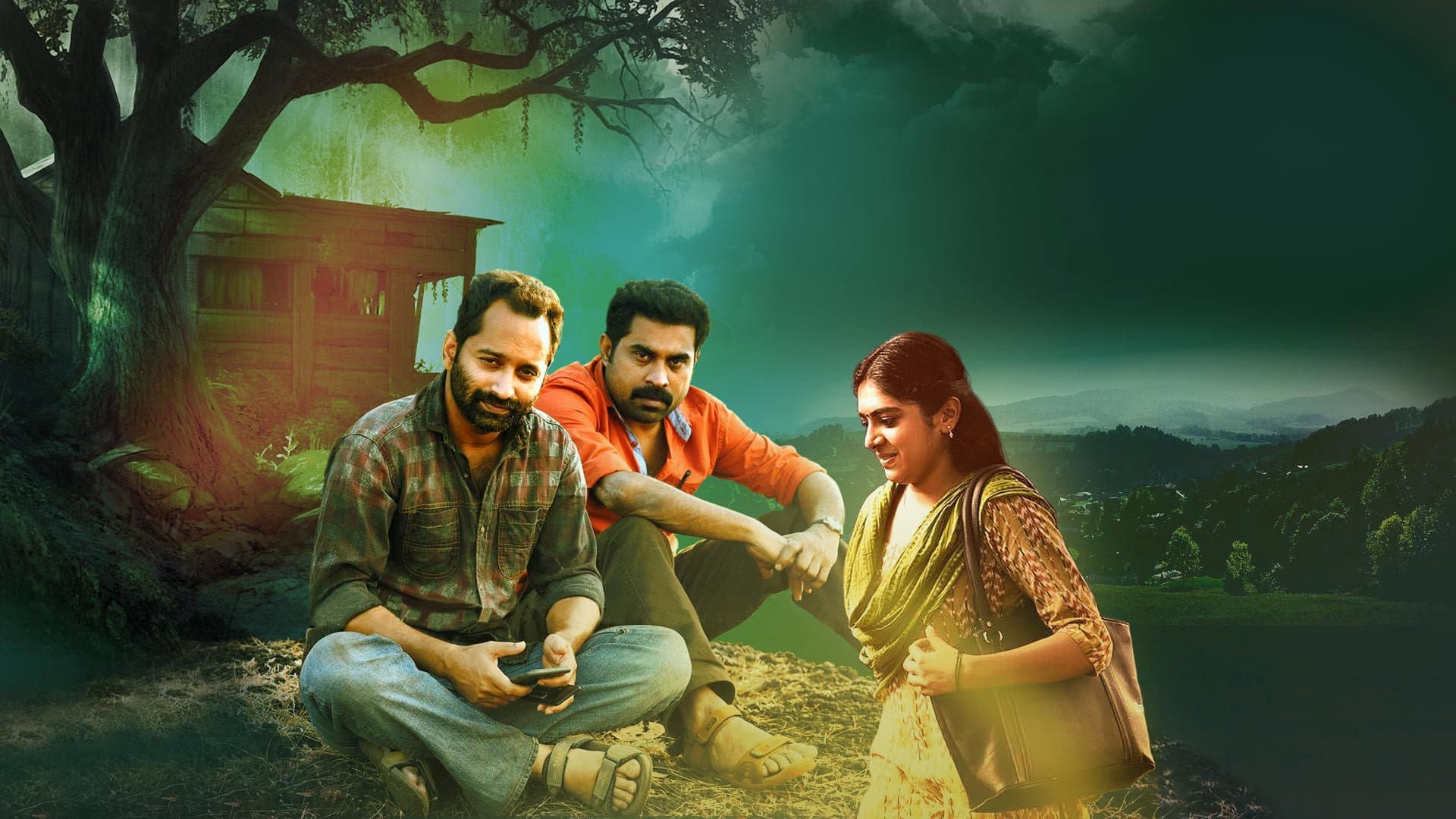
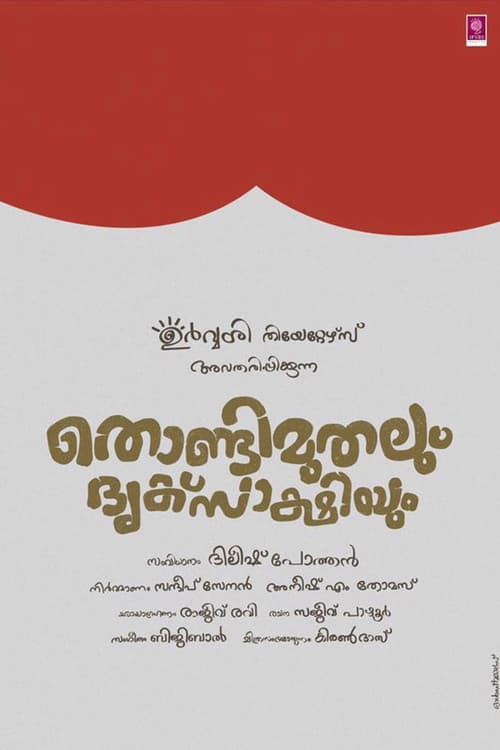
Thondimuthalum Driksakshiyum Review: A Quiet Gem
Director
Dileesh Pothan
Language
ML
Release
2017-06-30
Runtime
136 min
Quick Verdict
Thondimuthalum Driksakshiyum is a triumph of restraint: a deceptively simple story about a stolen chain, a bus journey gone wrong, and a police station that becomes a pressure cooker of human folly. It’s funny, tense, and surprisingly profound. Rating: 8.5/10 - essential viewing for anyone who loves smart, character-driven cinema.
Story
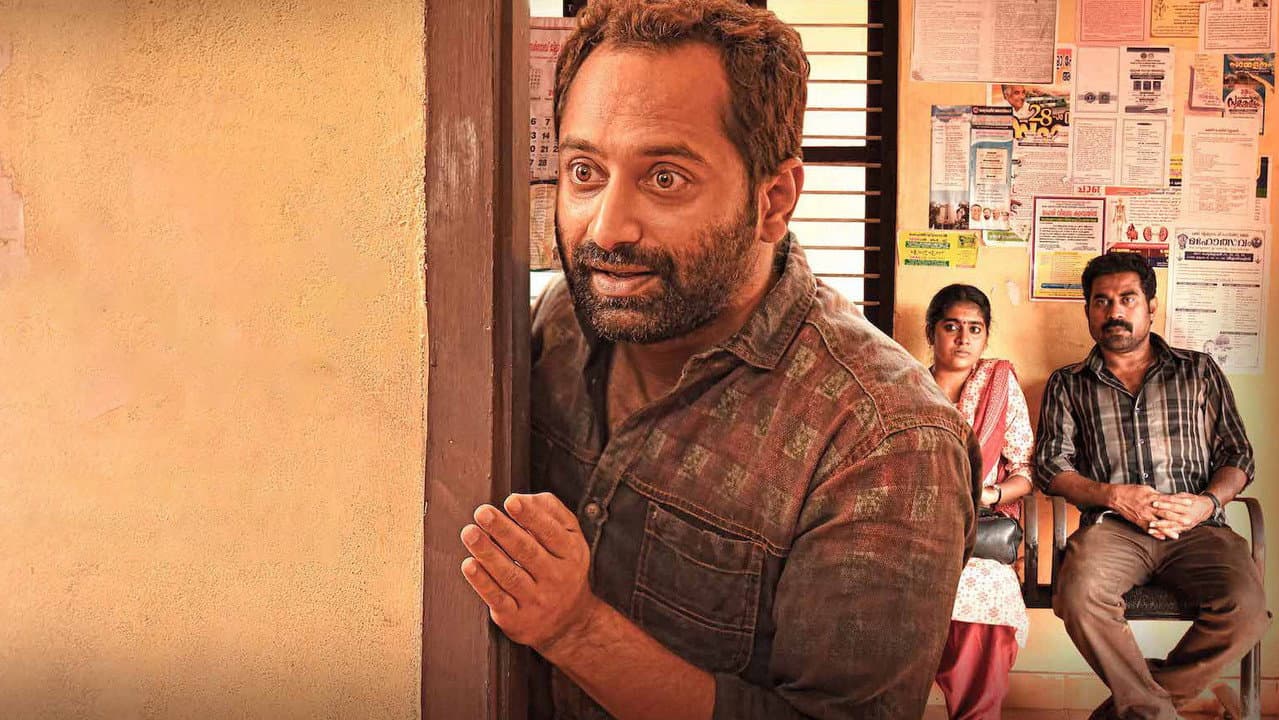
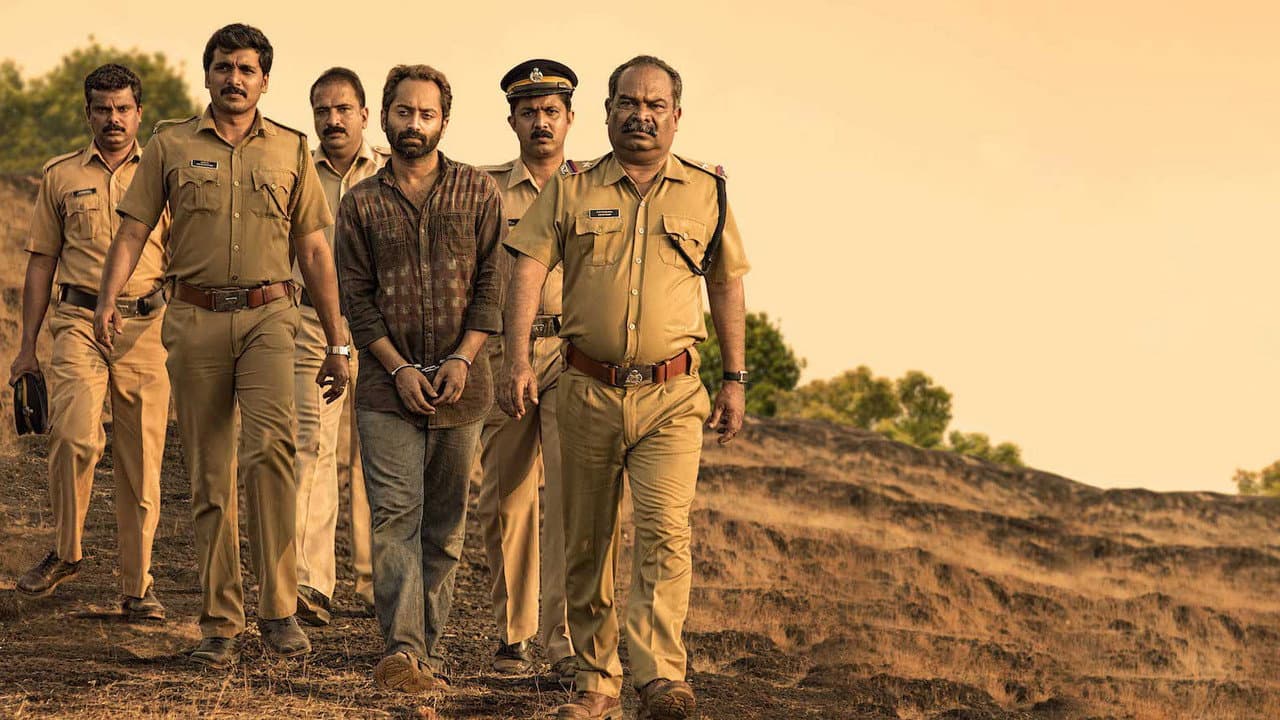
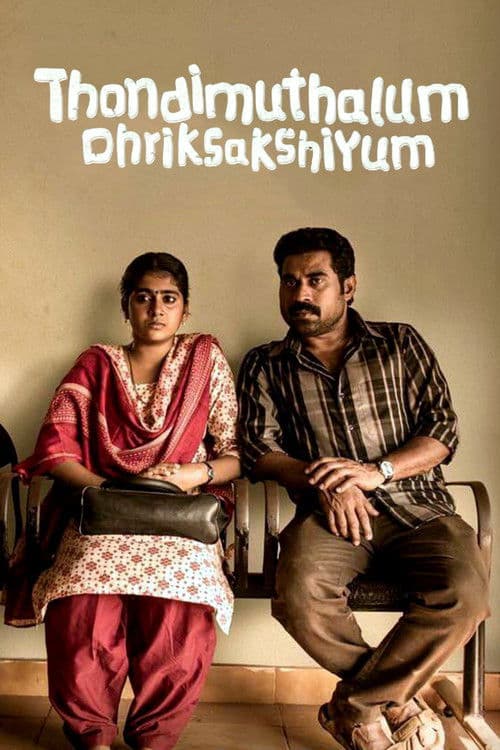
The plot unfolds with deceptive ease. Prasad (Fahadh Faasil) and his wife Sreeja (Nimisha Sajayan) are travelling by bus to Kasargod, hoping to start a new life. When a thief-also named Prasad, played by Suraj Venjaramoodu-snatches Sreeja’s gold chain mid-journey, the couple’s simple trip turns into a Kafkaesque ordeal. They chase the thief, catch him, and end up at a local police station. There, the real drama begins: the police, led by the weary but sharp SI Saajan Mathew (Sibi Thomas), must determine which Prasad is the culprit, while the actual robber spins increasingly desperate lies.
What follows isn’t a procedural whodunit. It’s a psychological chess match, a comedy of errors, and a quiet meditation on truth, memory, and the weight of a single witness testimony. The entire film pivots on one question: will Sreeja-the sole eyewitness-hold her nerve?
Review
Let’s start with the director. Dileesh Pothan, who earlier gave us the critically acclaimed Maheshinte Prathikaaram, proves that his debut wasn’t a fluke. Here, he works with a stripped-down visual language: long, unbroken takes, static frames, and a deliberate pace that lets every awkward silence and every nervous glance breathe. The camerawork is almost documentarian-you feel like a fly on the wall in that cramped police station.
The screenplay, co-written by Syam Pushkaran and Dileesh Pothan, is a marvel of efficiency. Every line of dialogue serves either character or plot. There are no wasted scenes. Even the bus sequence, which could have been a simple setup, becomes a masterclass in tension: the audience knows the thief is about to strike, and the editing keeps you squirming.
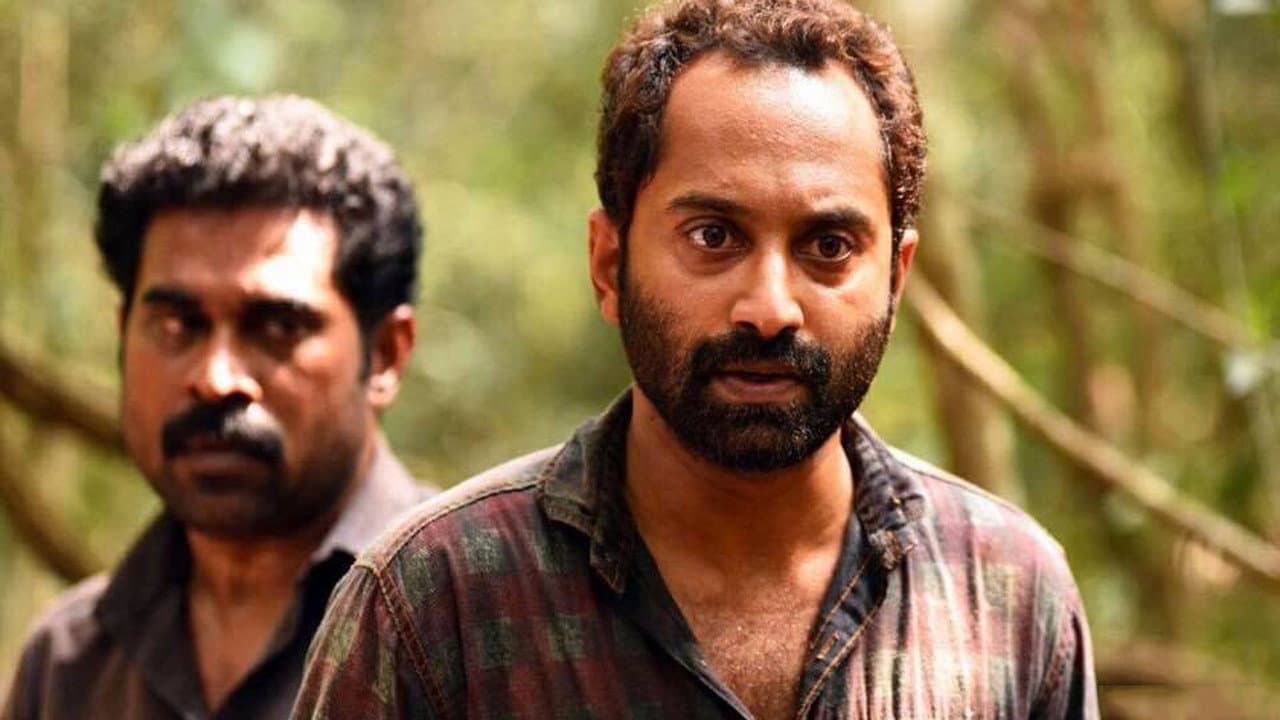
But the real magic lies in the performances. Fahadh Faasil, as the upright but increasingly exasperated Prasad, delivers one of his most understated roles. Watch his eyes when he realizes the thief is lying; the frustration is palpable, yet he never lets it explode. Suraj Venjaramoodu, playing the titular thief, veers from comic to chilling in a heartbeat. His nervous grin and panicked improvisations are both laugh-out-loud funny and genuinely unsettling.
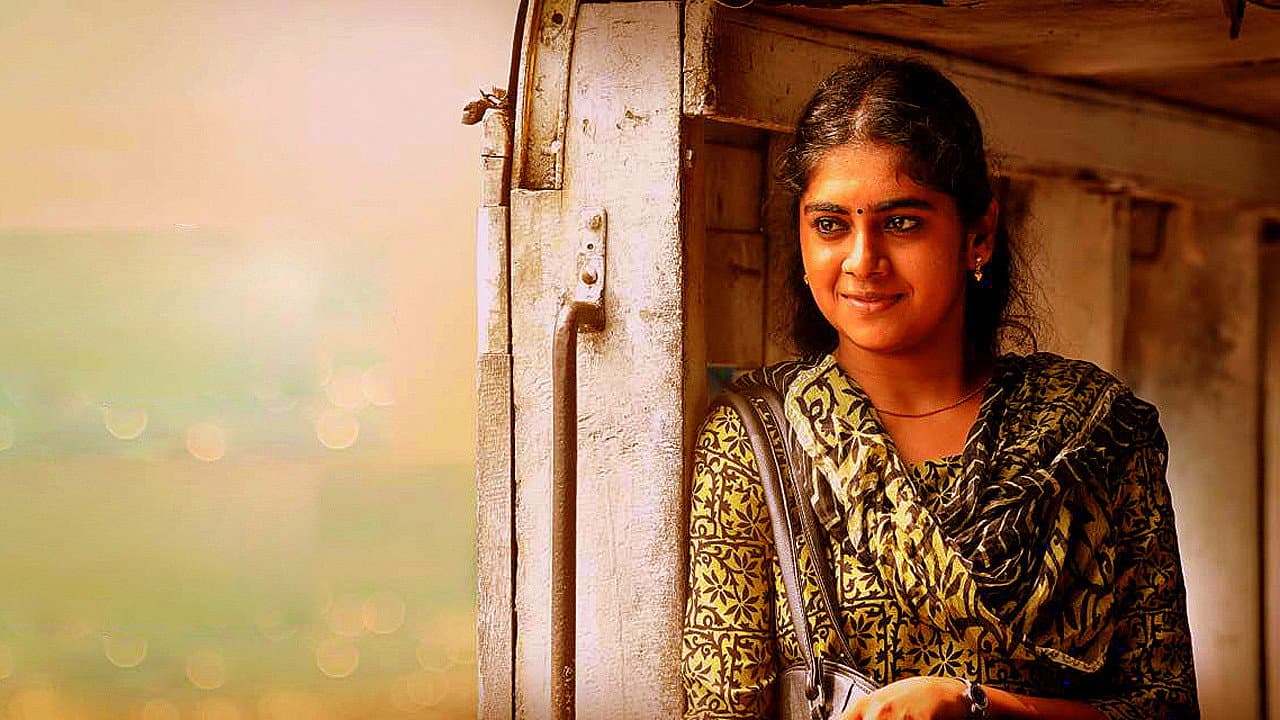
Nimisha Sajayan is the film’s soul. As Sreeja, she is the “driksakshi” (eyewitness) of the title, and her journey from nervous bride to resolute woman is portrayed with exquisite subtlety. Her performance, particularly in the final act, is a study in quiet strength. Alencier Ley Lopez, as the aging constable Chandran, adds a layer of weary humor that lightens the otherwise claustrophobic atmosphere.
The film’s tone fluctuates between comedy and drama with unnerving precision. One moment, you’re laughing at the thief’s absurd excuses; the next, you’re holding your breath as the police tighten the screws. This tonal balance is rare, and Pothan nails it.
If there’s a flaw, it’s that the film’s pacing might feel too deliberate for some. The second half, set entirely inside the police station, relies heavily on dialogue and small gestures. For viewers accustomed to faster narratives, this could be a test of patience. But for those who appreciate the craft, it’s riveting.
The soundtrack, composed by Bijibal, is sparse and effective. One particular track-a gentle hum during the bus scene-becomes a motif for Sreeja’s anxiety. The sound design, meanwhile, draws you into the world: the scrape of chairs, the rattle of handcuffs, the muffled voices from the next room.
Pros & Cons
Pros
- Brilliant, nuanced performances from the entire cast, especially Fahadh Faasil, Suraj Venjaramoodu, and Nimisha Sajayan
- Tight, economical screenplay that wastes no scene or line of dialogue
- Expert direction that turns a static setting (a police station) into a gripping thriller
- Tonal balance-seamlessly shifts between comedy, drama, and tension
- Authentic, lived-in Kerala atmosphere
- A thought-provoking meditation on truth, testimony, and human fallibility
Cons
- Deliberate pacing may feel slow for viewers expecting conventional thriller beats
- Limited scope-if you dislike dialogue-heavy, single-location films, this may not be for you
- Some may find the ending anticlimactic compared to the buildup
Rating Breakdown
Final Verdict
Thondimuthalum Driksakshiyum is the kind of film that earns its cult status honestly. It doesn’t shout; it whispers. It doesn’t chase spectacle; it finds drama in a stolen chain and a single witness. In an era of overblown blockbusters, this movie reminds us that all you really need is a good story, a great cast, and the nerve to tell it quietly.
For fans of Malayalam cinema, it’s a must-watch. For newcomers, it’s a gateway into the subtle brilliance of the new-wave. Seven years on, it hasn’t aged a day. Go watch it-you won’t regret a single minute.
Malayalam Movie Buzz Rating: 8.5/10
Cast

Fahadh Faasil
Prasad

Suraj Venjaramoodu
Prasad

Nimisha Sajayan
Sreeja

Alencier Ley Lopez
Chandran

Vettukili Prakash
Sreekandan
Mini K.S
Sreeja's mother

Sibi Thomas
SI Saajan Mathew

Unnimaya Prasad
Thaatha

Srikant Murali
Murali

Sivadas Kannur
Policeman

Baby
Prasad's Sister in Law
Madhusoodanan
Madhu
Gallery
Related Reviews

Advertisement
160×600
Right Ad