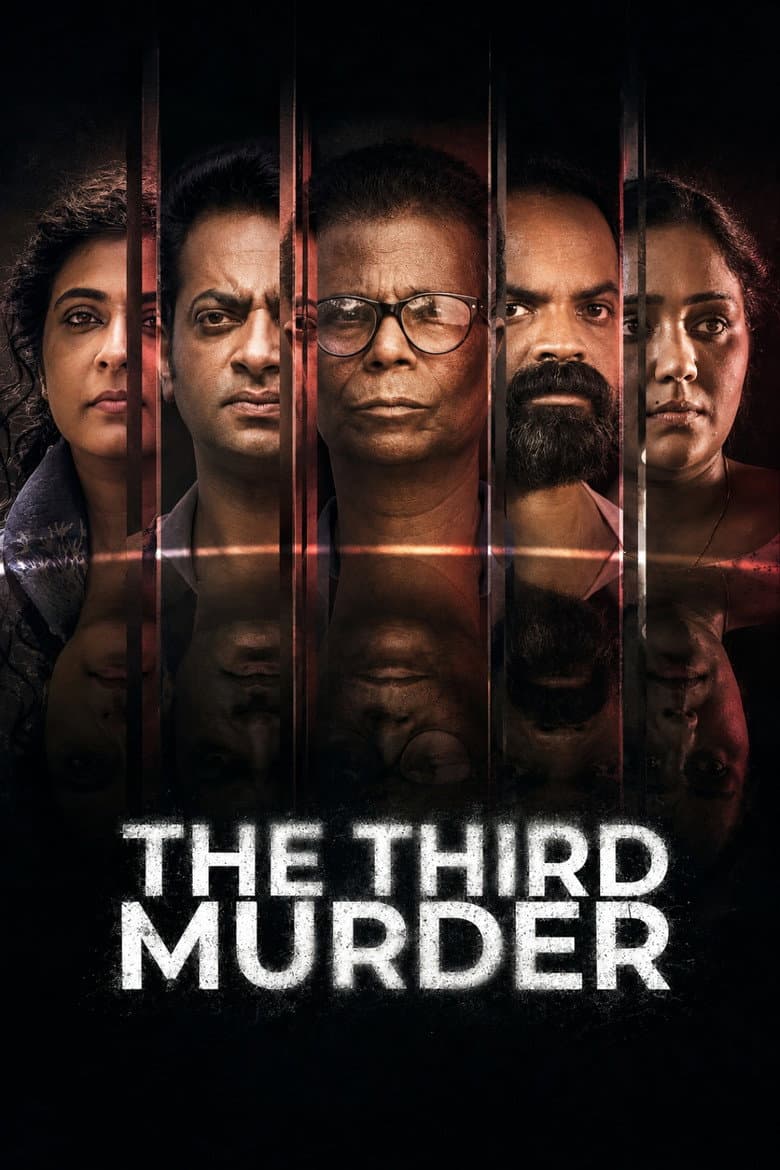
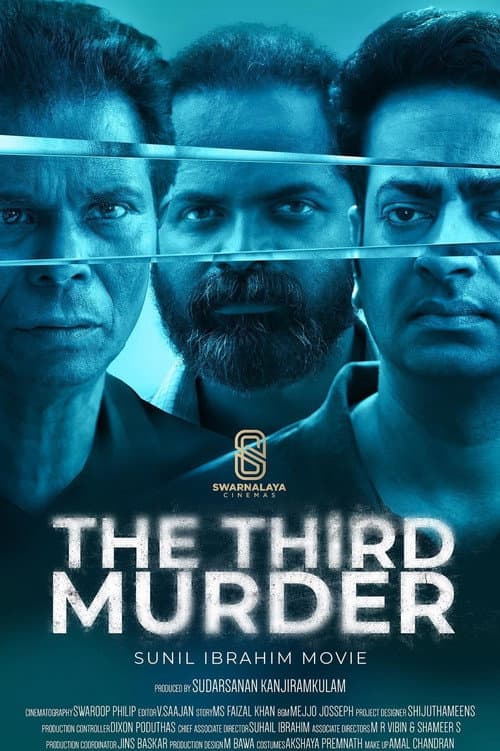
What works best here is the restraint. Ibrahim and his writers understand that the scariest thing in a serial-killer story is not the violence but the pattern, and so the film lingers on details that seem harmless until they aren't. A phrase repeated. A location that turns up twice. The screenplay feeds you clues without ever winking at you, and that discipline makes the middle stretch genuinely tense. The cinematography leans into shadow and cramped interiors, giving the whole thing a claustrophobic hum.
Vinay Forrt is the film's engine, playing Vinayan with a jittery intelligence that keeps you guessing about how much he actually knows. Saiju Kurup's Christy is the more conventional figure, an officer running on instinct and caffeine, and he gives the procedural spine a welcome humanity. But it is Indrans who quietly walks away with the movie. Swamy is written as a man who has seen too much to be surprised, and Indrans plays him with a stillness that is far more unsettling than any raised voice. The supporting cast, including Ananya, Leona Lishoy and Fara Shibla, get fewer scenes but make them count, while Johny Antony and Gibin Gopinath fill out the margins with lived-in texture.
The film's weakness is its third act, where the revelations start arriving faster than the emotional logic can support. A couple of twists land because the movie insists they must, not because the groundwork was fully laid. At 124 minutes, there is also a stretch in the second hour where the investigation circles rather than advances, and you start to feel the runtime. The climax wants to be both a psychological payoff and a thriller crescendo, and it only half-manages the second.
Even so, this is grown-up genre filmmaking. It respects its audience, refuses easy villains, and lands more often than it misses.