Advertisement
160×600
Left Ad
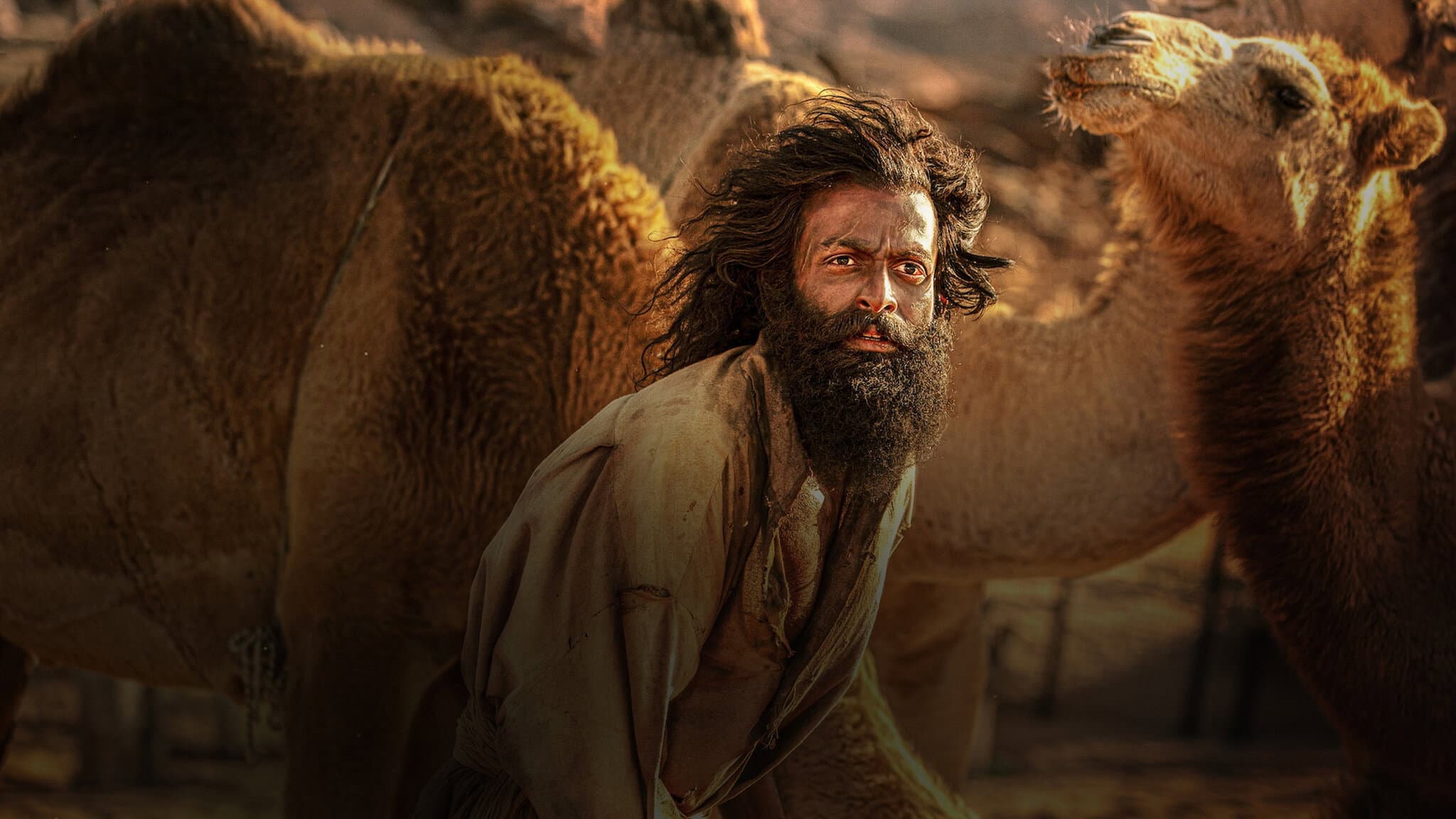
The Goat Life Movie Review: A Bold, Surreal Journey
A gripping review of 'The Goat Life' - a raw, emotional survival drama exploring identity, resilience, and the cost of chasing dreams. A must-read.
Director
Blessy
Language
ML
Release
2024-03-28
Runtime
173 min
Quick Verdict
The Goat Life is a masterwork of sustained, punishing tension. It is not a film you "enjoy" so much as endure alongside its protagonist. Anchored by a career-defining, almost feral performance from Prithviraj Sukumaran, Blessy’s direction strips away every cinematic comfort to present an unflinching portrait of human brutality and the thin thread of will that keeps a man alive. While its runtime is undeniably hefty and its pacing deliberately slow, the cumulative emotional and visceral impact is staggering. This is essential, difficult, and unforgettable cinema.
Story
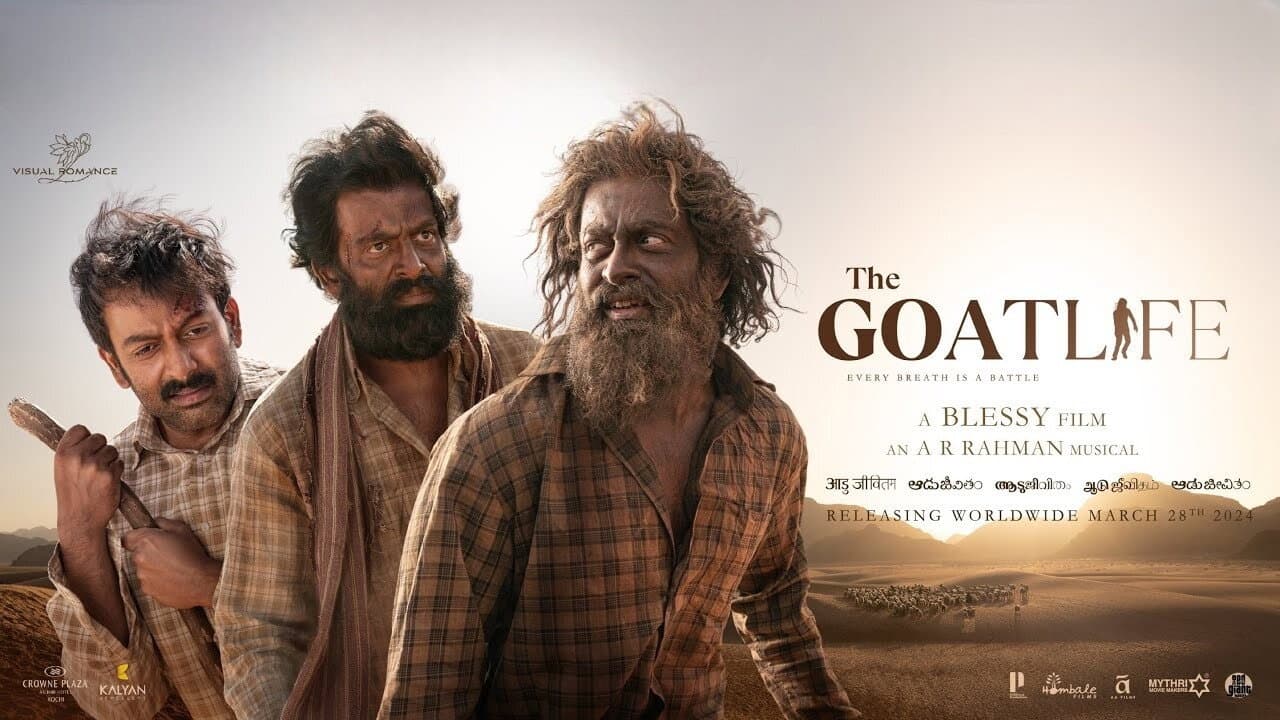
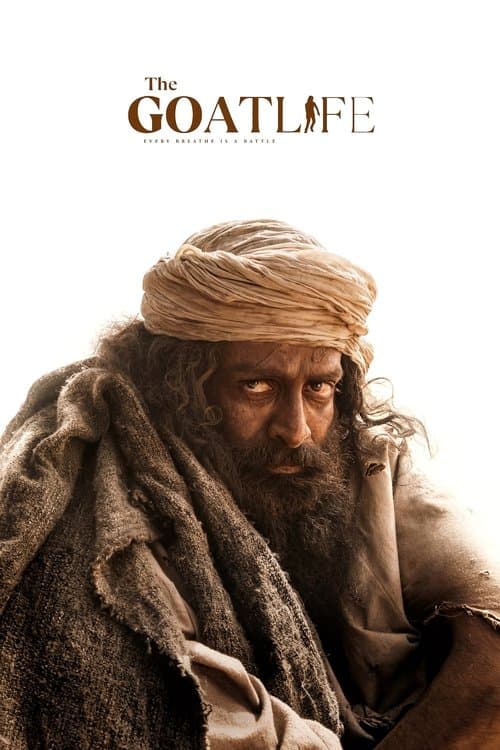
The film opens in a sun-drenched Kerala, where Najeeb Muhammad (Prithviraj Sukumaran) is a man of simple dreams. Driven by a desire to provide a better future for his wife Sainu (Amala Paul) and their child, he takes a job as a ship cook in Saudi Arabia. The promise is straightforward: good pay, a path to a better life. But the dream curdles almost immediately. Through a series of betrayals and deceptions, Najeeb is separated from his friend Hakkim (K. R. Gokul) and handed over to a sinister figure known only as Kafeel (Talib Al Balushi). He is stripped of his passport and identity, then driven deep into the desert. His new world is a barren, rocky expanse. His new job: herding goats under a merciless sun, eating scraps, and sleeping in a shed. The film charts his years of enslavement-the starvation, the beatings, the utter isolation from humanity-and his fragile, desperate hope for a single phone call home or a path to freedom.
Review
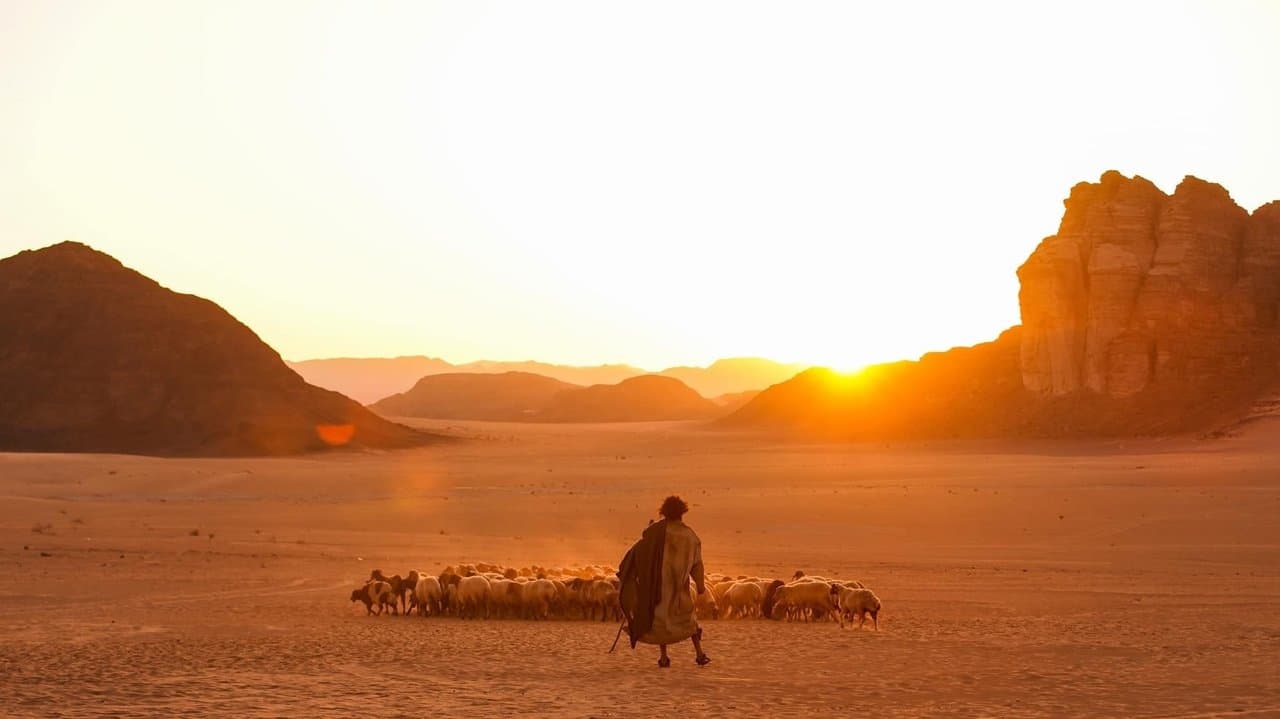
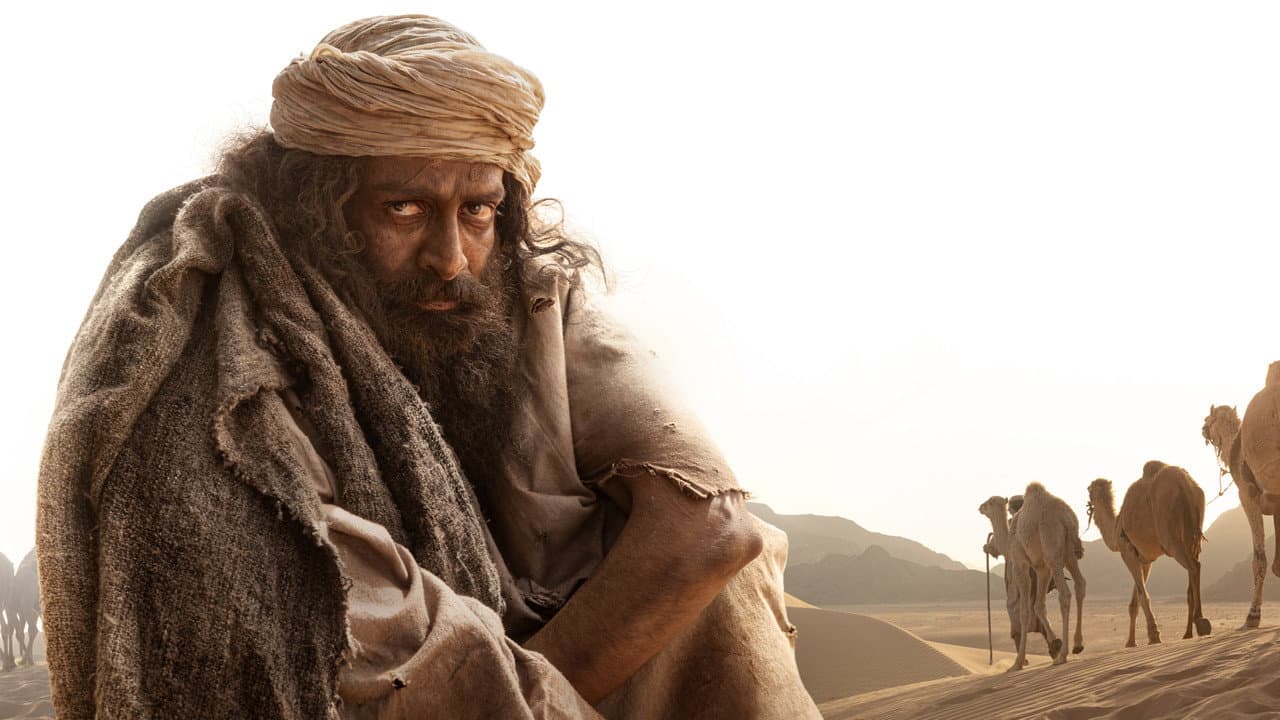
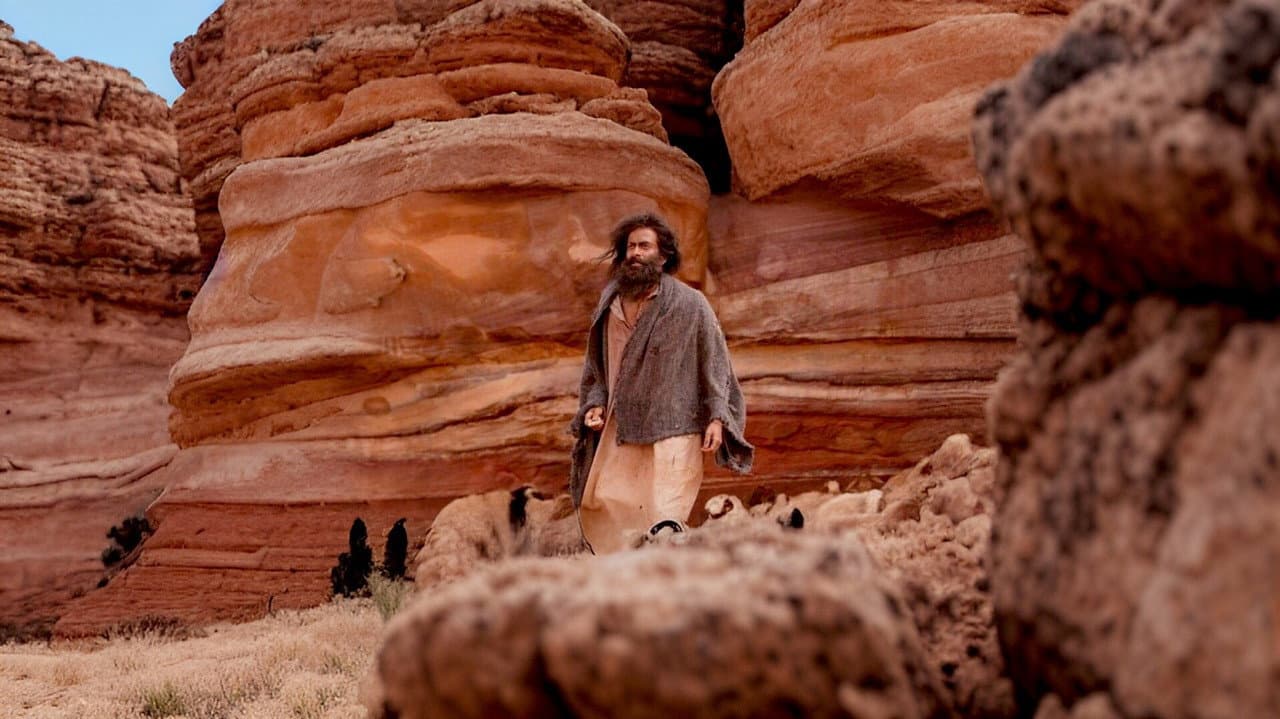
Blessy, known for his meticulous, emotionally heavy narratives (Thanmathra, Bhramaram), has never made a film as physically immersive as this. The desert is not just a setting; it is an active antagonist. The cinematography, by the legendary Santosh Sivan, captures both the brutal, blinding beauty of the Saudi landscape and the suffocating, claustrophobic horror of Najeeb’s confinement. The camera lingers on cracked lips, blistered skin, and the blank, animalistic stare of a man being slowly erased.
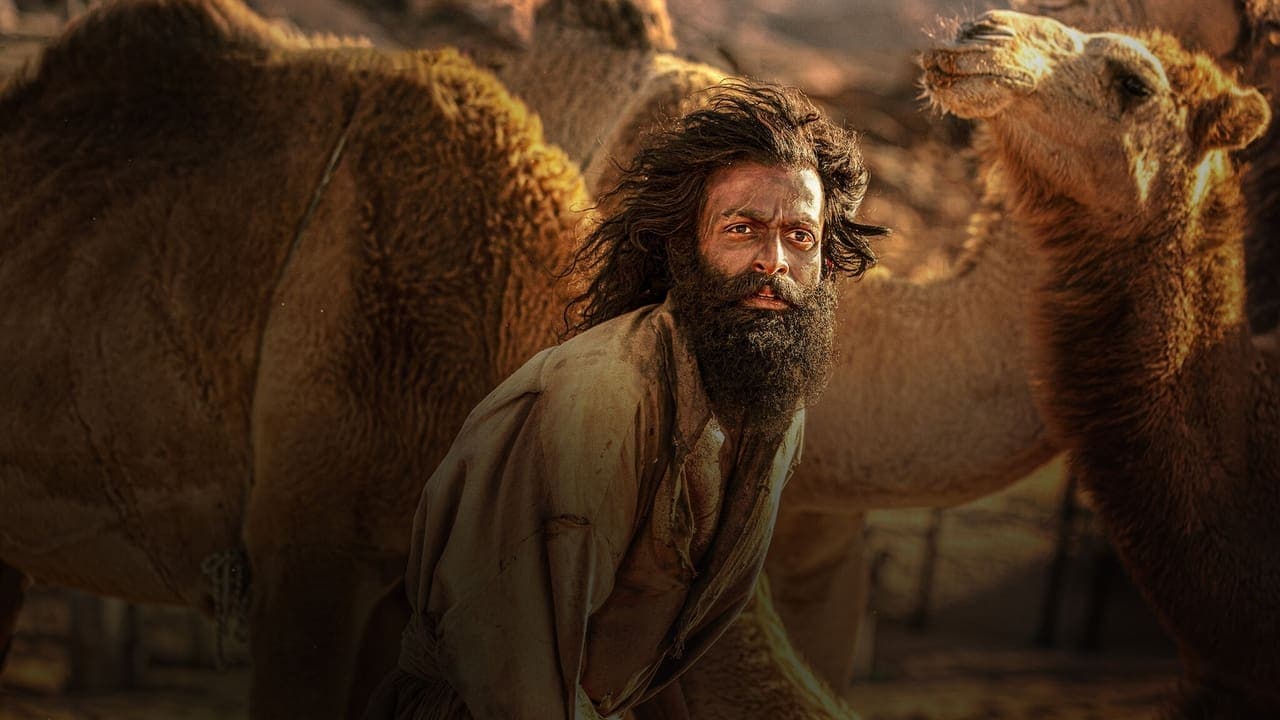
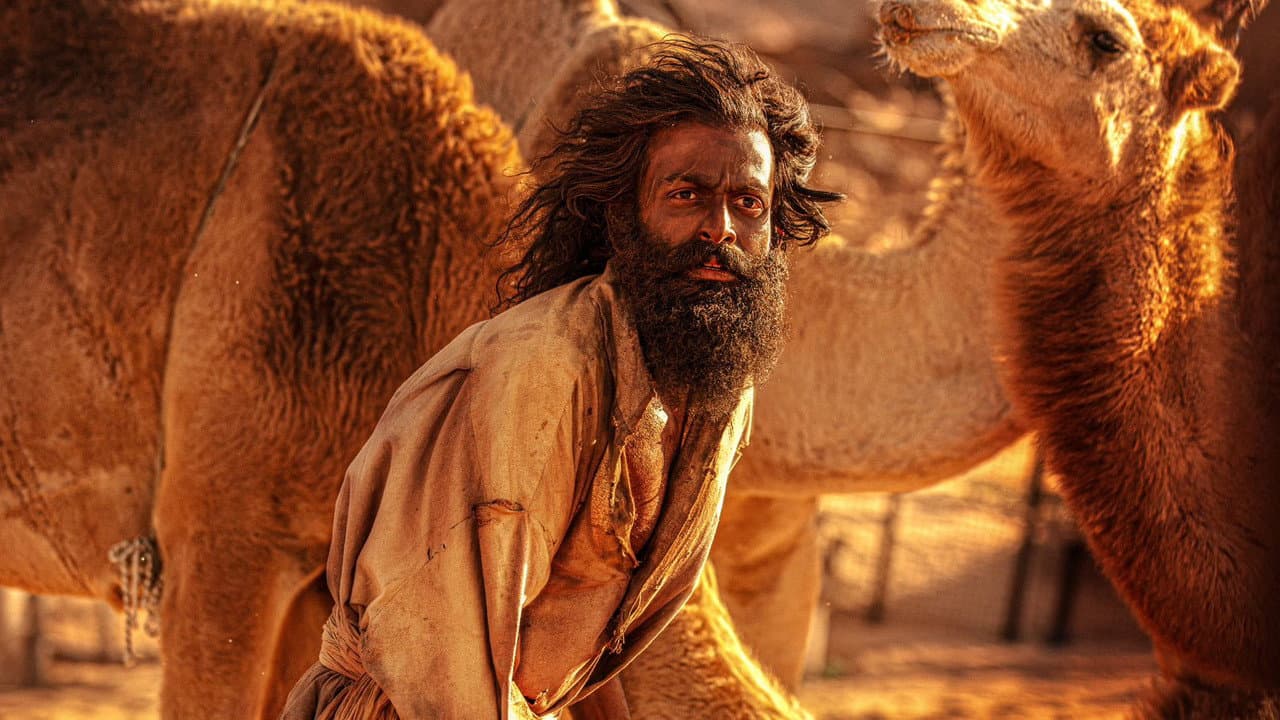
Prithviraj’s transformation is the film’s central miracle. He doesn't play Najeeb so much as become him. You can see the weight dropping, the posture changing from a proud man to a shuffling, hollow-eyed creature. This is not a performance built on monologues or big emotional outbursts; it is built on silence, on staring into nothing, on the almost imperceptible flicker of hope that comes when a stray plane crosses the sky. The supporting cast, particularly Jimmy Jean-Louis as a fellow enslaved worker named Ibrahim Khadiri, provides crucial, heartbreaking counterpoints-men who have been broken in different ways.
Where the film risks alienating its audience is in its unwavering commitment to the misery. There are no shortcuts, no montages of escape plans. You feel every single day of Najeeb's captivity. Some viewers will find the middle hour repetitious-more beatings, more goat-herding, more despair. But this is precisely the point. The film forces you to sit in the same existential dread that Najeeb occupies. The payoff, when it comes in the film's final act, is earned through pure, stubborn endurance. It is not a triumphant climax; it is a weary, complicated gasp of air.
Pros & Cons
Pros
- Prithviraj Sukumaran delivers one of the greatest performances in Malayalam cinema history; a raw, physical, and deeply humane portrayal of suffering.
- Blessy’s uncompromising direction and Santosh Sivan’s stunning, brutal cinematography create an immersive and oppressive atmosphere.
- The sound design is phenomenal-the bleating of goats, the wind, the silence-all used to amplify Najeeb’s isolation.
- The film respects its source material, refusing to glamorize or sensationalize the trauma of migrant slavery.
- Jimmy Jean-Louis and K. R. Gokul provide strong, emotionally resonant support.
Cons
- The 173-minute runtime is a significant commitment, and the deliberate pacing will test the patience of viewers expecting a conventional thriller.
- The relentless bleakness can be emotionally exhausting; it offers very little relief or catharsis until the very end.
- Some may find the repetitive cycles of abuse and herding to be structurally repetitive in the second act.
- The film’s limited emotional palette-overwhelmingly sorrow and desperation-may leave some feeling numb rather than moved.
Rating Breakdown
Final Verdict
The Goat Life is not a film for everyone. It is a study in endurance, a cinematic monument to a specific kind of suffering that we often hear about in news reports but rarely feel in our bones. It demands patience and a stomach for harsh reality. However, for those willing to submit to its punishing rhythm, it offers an experience that is profoundly moving and artistically unparalleled. It is a testament to the power of cinema to bear witness, to make you feel the heat, the hunger, and the hopelessness. Prithviraj Sukumaran’s Najeeb is a ghost that will haunt you long after the credits roll. It is a masterpiece, but a bruising one. See it on the biggest screen you can find. But bring a strong resolve.
TMDb Rating: 7.3/10 (Our Score: 8/10)
Cast

Prithviraj Sukumaran
Najeeb Muhammad

K R Gokul
Hakkim

Jimmy Jean-Louis
Ibrahim Khadiri

Talib Al Balushi
Kafeel

Rik Aby
Jasser

Robin Das
Hindiwala

Amala Paul
Sainu

Shobha Mohan
Ummah

Nasar Karutheni
Kunjikka

Akef Najem
Rich Man
Baburaj Thiruvalla
Karuvatta Sreekumar
Aji George
Hamid
Gallery
Related Reviews

Advertisement
160×600
Right Ad