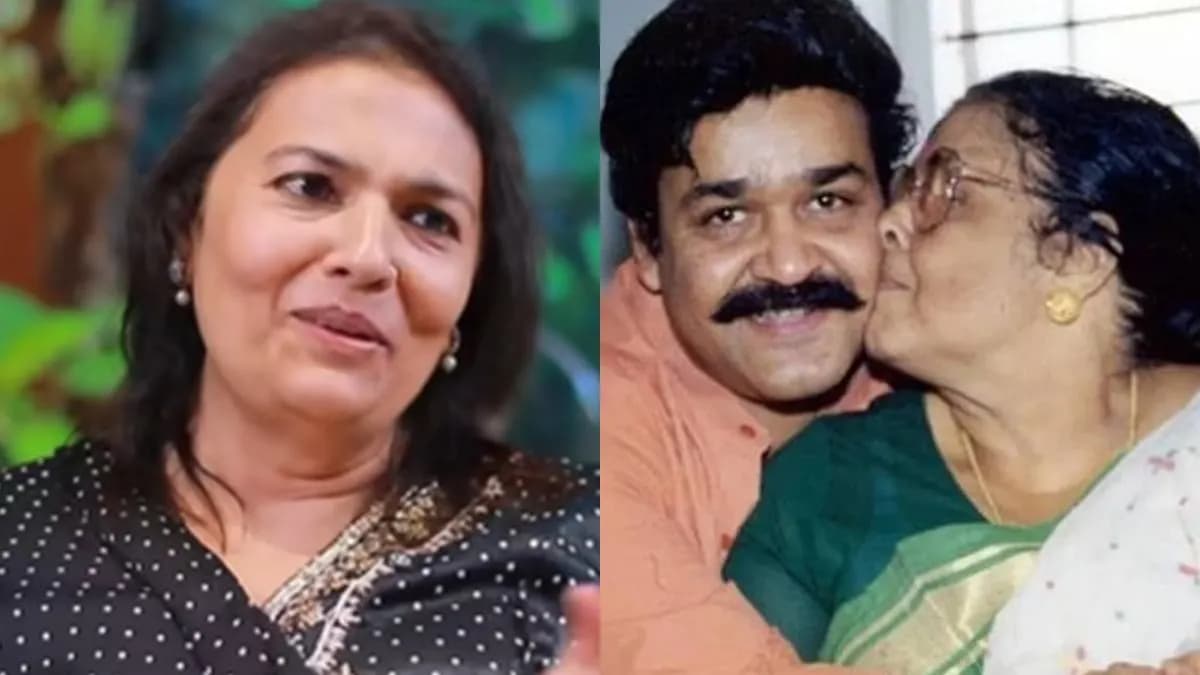
Veteran Malayalam actress Suchitra has opened up about a painful chapter from her personal life, recalling how her former mother-in-law refused to accept her as a daughter-in-law and later, during a period of illness, made remarks that still linger with her. The actress shared the recollections in a recent interview, offering a rare public glimpse into the emotional cost of a marriage that brought her both professional stability and private heartbreak.
Suchitra, a familiar face in Malayalam cinema for decades, said she was told plainly that she was not wanted in the family despite being married to the woman's son. The rejection was not veiled or gradual; according to the actress, her mother-in-law made her position clear even after the marriage was an established fact. What stayed with Suchitra, however, was not only the initial refusal but what the older woman said during the days when she was bedridden and dependent on care.
A Marriage That Never Received a Family's Blessing
The actress did not present the account as a fresh grievance so much as an unburdening. She described a situation familiar to many women in Kerala households: a marriage that is legally and socially complete but remains unrecognised within the walls of the groom's home. Suchitra said her mother-in-law's refusal was categorical, and it did not soften simply because the relationship had been formalised.
Suchitra's career has long been defined by her screen presence in Malayalam films, where she frequently played strong-willed characters. Her personal life, by contrast, has been marked by upheavals she has only occasionally discussed in public. The interview adds another layer to a story that has circulated in fragments over the years.
The Words That Stayed
The most striking part of Suchitra's account concerns the period when her mother-in-law was confined to bed. It is often assumed that illness softens old hostilities, that a person facing frailty will reconsider past cruelties. Suchitra's recollection suggests the opposite. She said the older woman, during those bedridden days, told her something that she has carried since. The actress did not dress the memory in drama; she let it stand as a fact of her life. The implication is clear: even at the end of a life, the rejection held firm.
Suchitra has not framed the episode as a demand for sympathy. Speaking about it now appears to be part of a longer process of reckoning with what she endured inside a family that never fully accepted her. In an industry where actresses are routinely asked about their personal lives, she has generally chosen silence. That she chose to speak at all gives the remarks their weight.
Why the Story Resonates Beyond Cinema
Suchitra's experience is not an isolated one in Malayalam society. The refusal of a groom's family to accept a bride, particularly when the marriage is a love match or crosses other social lines, remains a common source of distress. When it involves a public figure, the dynamic acquires a second dimension: the woman is expected to maintain a composed public face while absorbing private humiliation.
For fans of Malayalam cinema, Suchitra's testimony is a reminder that the composure on screen often conceals a far messier reality. Her willingness to name what happened, without theatrics, may prove more useful to other women in similar situations than any public campaign could. It is one thing to hear that such rejections occur; it is another to hear a well-known actress state that it happened to her, and that the wounds did not close with time.
Whether Suchitra will elaborate further is unclear. She has given no indication that she intends to turn the episode into a sustained public conversation. For now, the account stands as she told it: a marriage that a mother refused to recognise, and words spoken in illness that outlasted the woman who said them.
Source: Filmibeat Malayalam