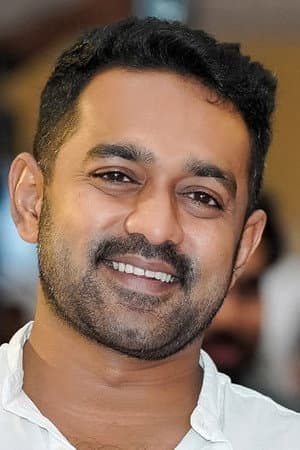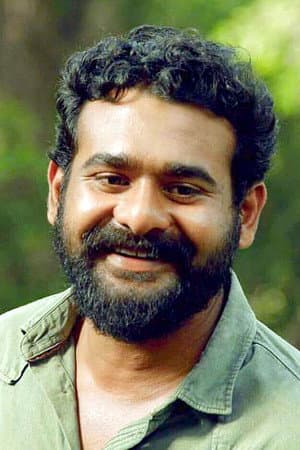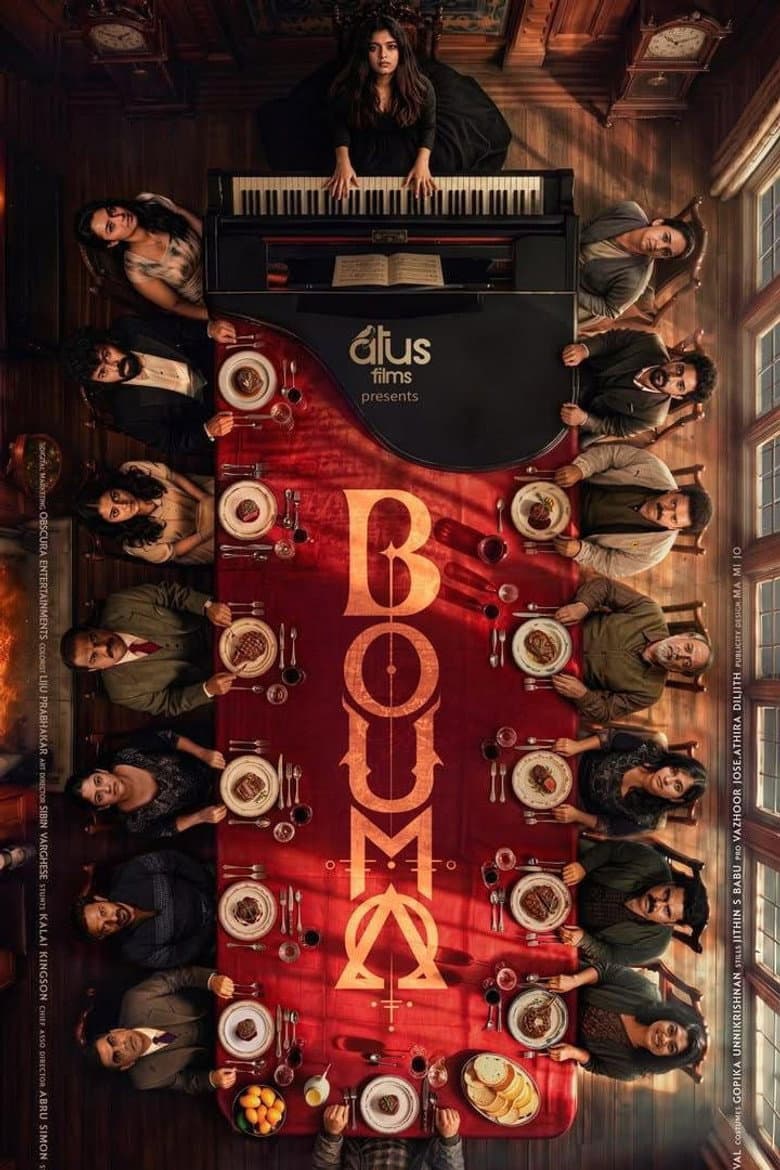
Soubin Shahir: A Career In Malayalam Cinema runs on two tracks. He has built a working life as a filmmaker. He has built a parallel one as a performer in front of the camera. Most readers meet him through the second track, the face in the film, and stop there. That is a mistake, because the two strands explain each other. This piece reads the body of work as a whole rather than ranking it. It holds one question open through every section: what does a performer's value actually consist of when the films around him change register so often? The answer, drawn from the record, sits in the order of things rather than in any single credit.
Reading the Recognition
Awards are somebody else's subject, and this is not a piece about prizes. What it can do is name the vocabulary of recognition plainly. A large part of this audience follows Malayalam cinema from outside the region and meets these terms without a gloss.
A state film award is a prize given by a state government for work in that state's film industry. Kerala runs its own, separate from the national honours. A lead performance there signals respect inside the industry rather than only among viewers. An assistant director is the junior role on a production that runs errands on set, keeps continuity and learns how decisions are actually made. Many Malayalam filmmakers and performers enter this way. It is the clearest sign that a career began inside the trade rather than at its edge.
Both terms are already in the record. He began as an assistant director. The Kerala State Film Award for Best Actor came for a leading role in Sudani from Nigeria (2018). That pairing explains the whole shape of the career: a face that arrived through the crew's side of a set, and a performance awarded for carrying a film rather than decorating it.
The dates do the quiet work. Readers should see the order before they see any title. An entering of the industry in 2003. A first acting credit in 2013 with Annayum Rasoolum. A first film as director with Parava in 2017. That is a decade of preparation followed by two career fronts opening within five years.
The Films and What Each One Added
Group the titles by what they contributed, not by year alone.
The breakthrough came in support. Premam (2015) as Sivan Sir and Maheshinte Prathikaaram (2016) as Chrispin. Neither is the lead, and that is the point. These are the parts that made a face familiar without asking it to hold a film.
Then the shift. Sudani from Nigeria (2018) turned a body of support work into a lead career, and this is the film the award belongs to. Virus (2019) as Unnikrishnan places the same face inside an ensemble built on crisis and many hands, a different kind of test entirely.
The sour note is worth naming as one. Oru Yamandan Premakadha (2019) as Vicky Paedika and Trance (2020) as Mathews Thomas open the comedy and the unease that the next few years would test. Irul (2021) as Alex Parayil is a small cast in a tight space, the opposite of collection and the clearest proof that the performer does not need a crowd.
Then the expanse. Bheeshma Parvam (2022) as Ajas, CBI 5: The Brain (2022) as Paul Meyjo and two further identities, all within one film. A career trusted with the crowded end of commercial cinema is trusted with something specific: the ability to hold a place in a story that has many places to fill.
The draw came next. Manjummel Boys (2024) as Siju 'Kuttan' David, and also as a producer. Here the two strands of the career meet on a single credit, the maker and the face occupying the same title.
The recent run moves through three registers. Lokah Chapter 1: Chandra (2025) as a workshop mechanic. Khalifa: The Ruler (2026) as Viktor Kennedy. Unmadham (2026) as a police constable. A smuggler's legacy, a reopened cold case, a mechanic in a stranger's orbit: one set of leading roles, three different worlds.
The Roles He Returns To
Here is the connective tissue. The recurring subject is the outsider who sits close to the centre without owning it. A smuggler's heir under a legacy he did not choose. A policeman confronted with secrets that unsettle his beliefs. A mechanic inside a story about a woman he can only watch. These characters are observers or go-betweens, close enough to power to see it and seldom holding it.
The comedy in Oru Yamandan Premakadha and the dread in Trance or Irul are not opposites. Both depend on a performer who can play a man slightly off the group's rhythm. That is the through line, and it holds at every scale.