The Malayalam film community is no stranger to emotional family dramas, but a recent social media post from a prominent industry figure has brought a different kind of story into focus. Malkit Rauni, a familiar face in Punjabi-language cinema, has publicly shared a distressing account of his sister's struggle with Alzheimer's disease, describing how the condition has reshaped her daily life and her ability to communicate. His remarks, which surfaced in a widely circulated video message, offer a rare and unguarded glimpse into the toll the illness takes not only on patients but on the families who care for them.
In the message, Rauni explains that his sister has reached a stage where she frequently picks up the phone and tries to call people, scrolling through contacts in what appears to be an attempt to reconnect. However, the conversations she once managed with ease are no longer possible. According to Rauni, his sister - affectionately referred to as "Chechi," the common Malayalam term for elder sister - cannot carry on a conversation and is visibly unwell. He expressed his helplessness, noting that she is no longer in a position to participate in entertainment or social activities, and that the family simply cannot bear to see her in this condition. The statement has resonated with audiences familiar with the progressive nature of Alzheimer's, a neurodegenerative disorder that gradually erodes memory and language function.
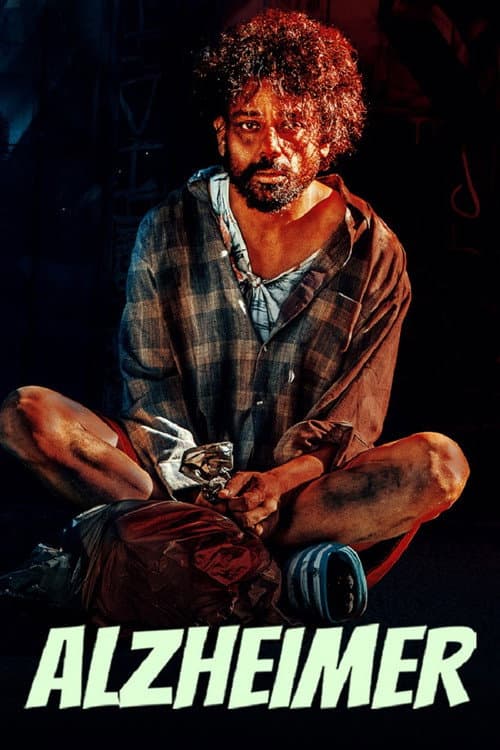
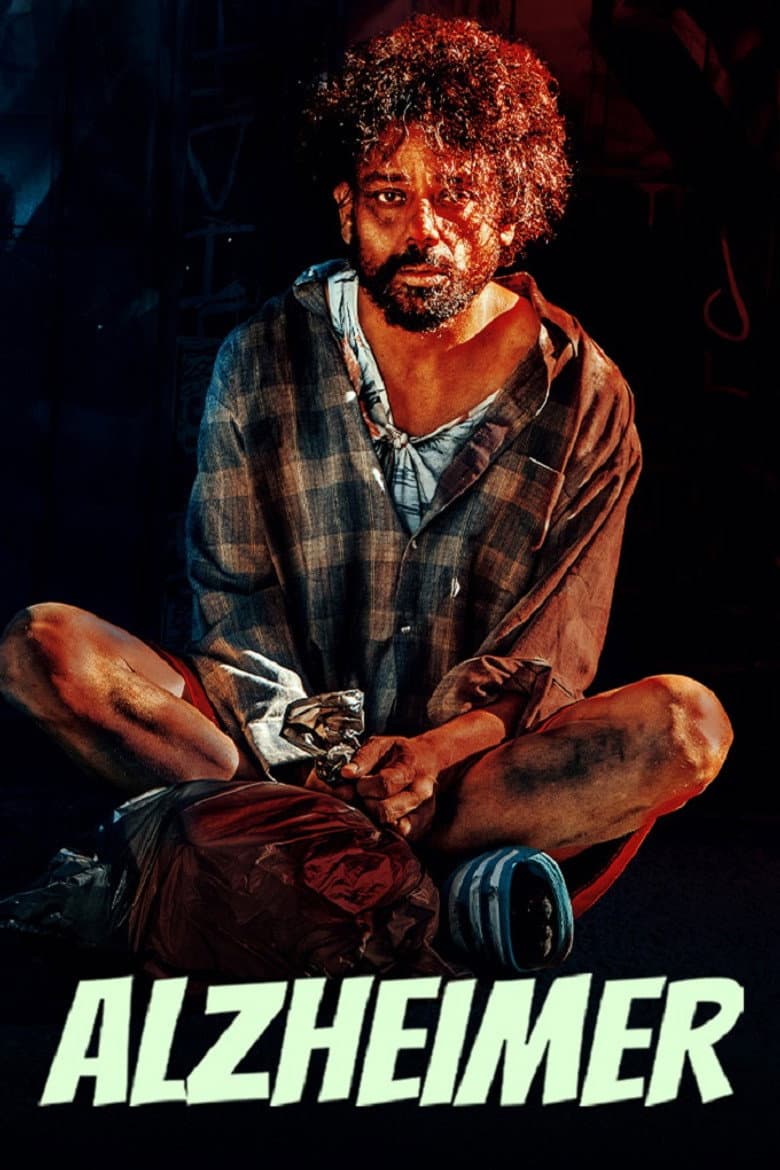
The timing of Rauni's comments is notable given his involvement in the Punjabi-language film "Alzheimer's," which released on August 22, 2024. Directed by Bhinda Aujla, the drama-crime hybrid runs 87 minutes and stars Aujla himself alongside Prateek Singh Rai, Malkit Rauni and Ashok Tangri. The film follows Jasmeet, known as James, who lives in Canada and one day wakes up wounded in a strange place with no recollection of the day's events. The narrative then unfolds as a mystery, exploring what happens to him next. Though the movie is a fictional crime drama, its central theme of memory loss clearly intersects with Rauni's personal experience, lending his recent remarks an added layer of gravity.
It is worth noting that "Alzheimer's" is a Punjabi-language production from the Mollywood industry, not a Malayalam film, despite the overlap in the informal use of "Mollywood" across regional cinema circles. The film carries a TMDb rating of 0/10, reflecting an extremely limited or entirely absent user-voting base rather than any definitive critical assessment. No box-office figures have been reported for the title, and its distribution appears to have been modest, consistent with many independent Punjabi dramas that find their audience through digital platforms and word of mouth rather than wide theatrical rollouts.
Rauni's decision to speak openly about his sister's condition follows a broader trend of entertainers using their platforms to destigmatize neurological illness. Alzheimer's disease affects millions worldwide, and its later stages often bring profound isolation for both patients and caregivers. The image he paints is a heartbreaking one: a woman who still reaches for the phone, still seems to want contact, yet can no longer sustain the exchange. That gap between intention and ability is one that many families will recognize, and Rauni's willingness to share it has drawn sympathy from colleagues and viewers alike.
For those unfamiliar with the film that shares the disease's name, "Alzheimer's" is a compact, 87-minute drama-crime story centered on a Canadian immigrant's disorientation and the mystery surrounding a lost day. The cast includes Bhinda Aujla, Prateek Singh Rai, Malkit Rauni and Ashok Tangri, with Aujla handling directing duties. Its 2024 release places it among a slate of Punjabi independent films that tackle darker psychological and criminal themes rather than the romantic comedies that often dominate the regional market.
Whether Rauni's public comments will translate into renewed attention for the film remains uncertain, but they have already accomplished something more immediate: they have put a human face on a condition that is often discussed in clinical terms. The actor's account does not rely on statistics or medical jargon. Instead, it offers a single, painful detail - a sister who still dials numbers but can no longer speak - and leaves audiences to sit with it.
At a time when entertainment news often circles around box-office numbers and casting announcements, Rauni's message serves as a reminder that the people who make films carry their own unscripted stories. For now, his focus appears to be firmly on his family, and on a sister who, in his words, is simply not well enough to be reached the way she once was.
Source: Filmibeat Malayalam