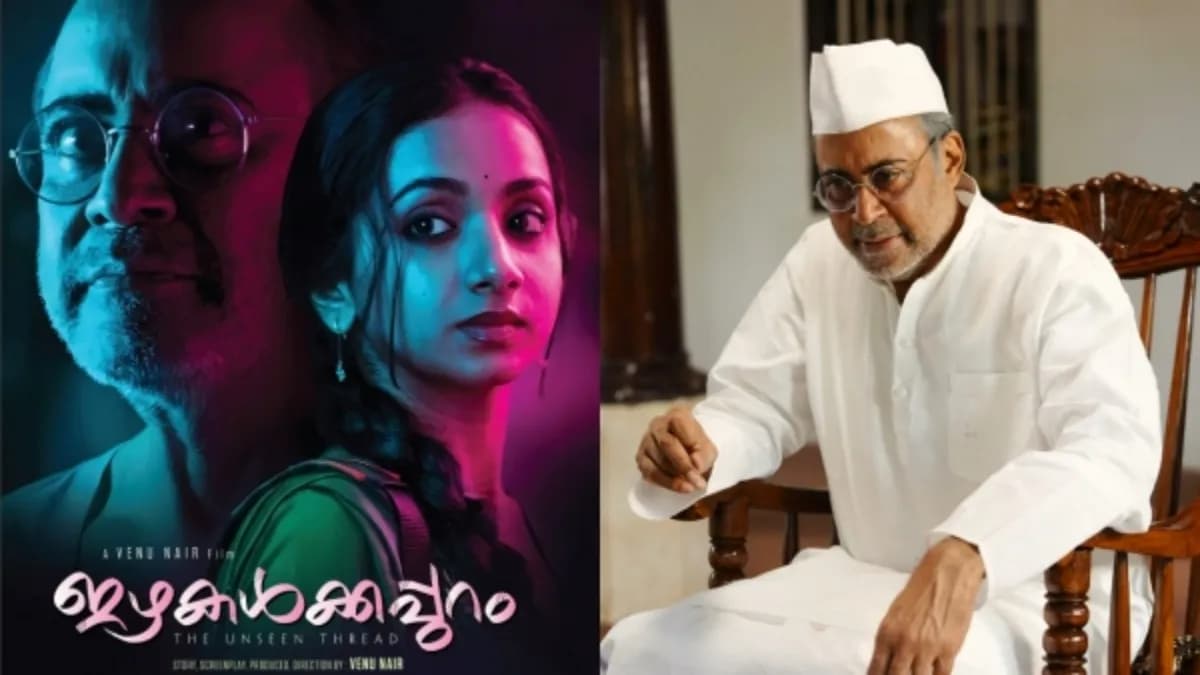
A new Malayalam documentary is set to bring Mahatma Gandhi's philosophy back into public conversation, with "Izhaikalukku Appuram" (Beyond the Threads) scheduled for a theatrical release on October 2. The date carries obvious symbolic weight, falling on Gandhi Jayanti, the annual observance of the leader's birth anniversary. The film's title translates roughly to "Beyond the Threads," a phrase that its makers position as a meditation on the Gandhian vision and a call to rethink it for contemporary times.
Directed by documentarian and activist Suresh Kumar, "Izhaikalukku Appuram" examines how Gandhi's ideas about nonviolence, self-reliance, and community living have been interpreted, adapted, and occasionally abandoned in the decades since independence. Rather than offering a straightforward biographical portrait, the film positions itself as a reassessment - what its director describes as a rethinking of Gandhian thought from the perspective of those who have lived its consequences, not just studied its texts.
A Cast of Activists and Scholars
The documentary brings together academics, social workers, and grassroots organizers from across Kerala and beyond. According to the film's production team, the roster includes historians who have written on the freedom movement, environmental activists who cite Gandhi as an early critic of industrial excess, and community leaders working in tribal and coastal regions of the state. Their testimonies are woven together with archival material, much of it drawn from regional archives and personal collections.
Kumar said in a statement that the project began as an attempt to answer a deceptively simple question: what does Gandhi mean to someone who has never read a word he wrote but whose life has been shaped by the movements he inspired? That question, he added, kept expanding until it became the spine of the film. The film's voiceover narration is drawn from a mix of Gandhi's own writings and letters, along with contemporary reflections from the interviewees.
The title takes on layered meaning in this context. "Threads" can refer to the khadi cloth that became a symbol of the freedom struggle, to the social fabric that Gandhi sought to stitch together across caste and religious lines, and to the connections - or the fraying of them - in modern political life. The documentary leans into this ambiguity rather than resolving it. Production sources say the visual language of the film repeatedly returns to weaving, spinning, and textile work as a metaphor for collective effort.
A Theatrical Release for a Documentary
Choosing to release a Malayalam documentary in theatres is itself a statement. The market for non-fiction film in the region has historically been limited, with most documentaries finding their audience through festivals, university screenings, and streaming platforms. The team behind "Izhaikalukku Appuram" has opted for a theatrical run on a date that guarantees attention, hoping the Gandhi Jayanti holiday will draw viewers who might otherwise never seek out a documentary.
Distributors associated with the release describe it as a limited but deliberate rollout, starting with screens in major Kerala cities. There is no word yet on a wider expansion or on streaming availability, though the producers have said they want the film to reach educational institutions and civic groups after its initial run.
The timing also invites a broader conversation. Gandhi's legacy has been contested from multiple directions in recent years - celebrated by some as foundational to Indian democracy, criticized by others as incomplete or contradictory. A film that explicitly frames itself as a "rethinking" rather than a tribute seems designed to sit inside that debate rather than rise above it. Whether audiences will engage on those terms remains to be seen.
What is clear is that "Izhaikalukku Appuram" arrives with a sense of purpose. Its makers have not positioned it as pure entertainment, and its release strategy reflects that. For viewers in Kerala, October 2 offers a chance to encounter a familiar figure through unfamiliar voices - those of people who have tried, and sometimes struggled, to put Gandhian principles into practice in their own communities.
The documentary runs approximately ninety minutes and carries no formal rating. Its cast includes a mix of first-time and experienced interviewees, none of them professional actors. Further details about screenings and ticket availability are expected from the production team in the days leading up to the release.
Source: Filmibeat Malayalam