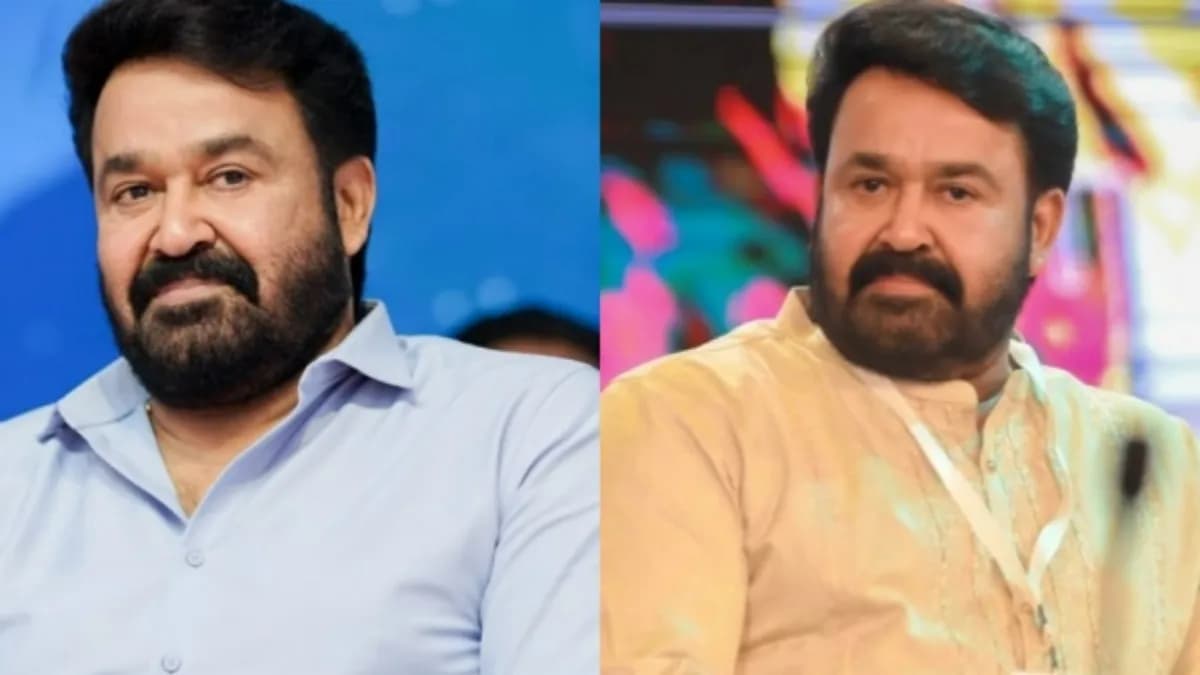
The Malayalam film industry is no stranger to public scrutiny, but a recent remark from a prominent voice in the industry has reignited a conversation about how celebrities process and respond to criticism. The statement, which translates roughly to the idea that one should not carry around things said only to cause pain, and that rushing to reply to every such remark is unnecessary, has resonated with many who follow the personal side of Malayalam cinema. It arrives at a moment when social media has made every offhand comment instantly visible and endlessly analyzable, and when stars are expected to react to everything said about them. The observation instead suggests a deliberate step back from that expectation, framing silence or selective engagement as a form of self-preservation rather than evasion.
The core message is simple but loaded. Not every barb deserves a rebuttal, and treating every provocation as a debate to be won can end up giving more weight to the very words that were meant to wound. In an industry where actors and filmmakers are often pulled into online arguments over reviews, fan wars, or loose remarks, the idea of refusing to engage carries its own kind of weight. The phrasing also speaks to a broader emotional truth familiar to anyone in the public eye: carrying grievances around does more damage to the person holding them than to the person who caused them.
A Wider Conversation About Online Criticism
The remark taps into a long-running discussion within Malayalam cinema about the tone of public discourse. Fan pages, comment threads, and viral clips now amplify criticism far beyond the reach of traditional film journalism, and the people on the receiving end are often expected to respond publicly or risk being seen as aloof. Against that backdrop, the statement reads less like a defensive posture and more like a practical boundary. It suggests that some remarks are offered not as genuine feedback but as provocation, and that treating provocation as feedback can trap a public figure in a cycle of reaction that benefits no one.
It also reflects a shift in how some members of the industry talk about mental and emotional well-being. Actors and filmmakers in Malayalam cinema have become more open about the pressures of visibility, the toll of online scrutiny, and the need to protect one's personal space. This latest statement sits comfortably within that trend, emphasizing that not every critic is owed an answer and that letting go is not the same as conceding defeat.
Why the Observation Is Being Shared
What has made the comment travel is its universality. It is not specific to films, awards, or individual controversies; it reads as general advice about handling unkind words. That quality has allowed it to circulate beyond cinema circles, picked up by readers who see a version of their own workplace or family dynamics in it. For a Malayalam film audience accustomed to following stars' every public utterance, the appeal lies in its calmness. There is no target named, no feud being litigated, just a piece of perspective offered without fanfare.
At the same time, the remark invites a fair counterpoint. Public figures do face legitimate criticism, and a blanket reluctance to engage can occasionally be mistaken for a refusal to be accountable. The statement addresses that implicitly by drawing a line between remarks made to wound and feedback made in good faith. The distinction is doing the real work here, and it is what separates a defensive stance from a considered one. A comment aimed only at causing pain is not a conversation worth continuing; a genuine question is.
What It Signals for the Industry
For an industry that lives and dies by public attention, the statement carries a quieter message about how that attention is managed. Malayalam cinema has a particularly intense and engaged audience, and its stars are often pulled into commentary cycles that stretch on for weeks. The suggestion here is that a measure of distance is healthy, that not every trending topic requires a statement, and that responding to everything can end up diluting one's own voice. That is a notable posture in an era when staying silent online is often read as weakness.
It also points to a generational difference in how the industry handles criticism. Younger actors, in particular, have grown up with social media and approach it with a mix of fluency and fatigue, aware that the same platforms that build them up can turn quickly. The remark, without naming anything specific, acknowledges that fatigue and offers a coping strategy rather than a fight. Whether it becomes a template for others in the industry remains to be seen, but it has certainly given fans something to think about.
The Takeaway
The comment's value lies in its restraint. It does not promise that criticism will stop or that public life will become easier; it simply proposes that some things said to cause pain should be left behind rather than carried everywhere. For a film community that spends much of its time in the spotlight, that is a quietly sensible idea. It is also a reminder that the decision to respond, or not, is itself a form of control, and one that stars can choose to keep. As the conversation around online conduct in Malayalam cinema continues, that sentiment is likely to keep resurfacing.
Source: Filmibeat Malayalam