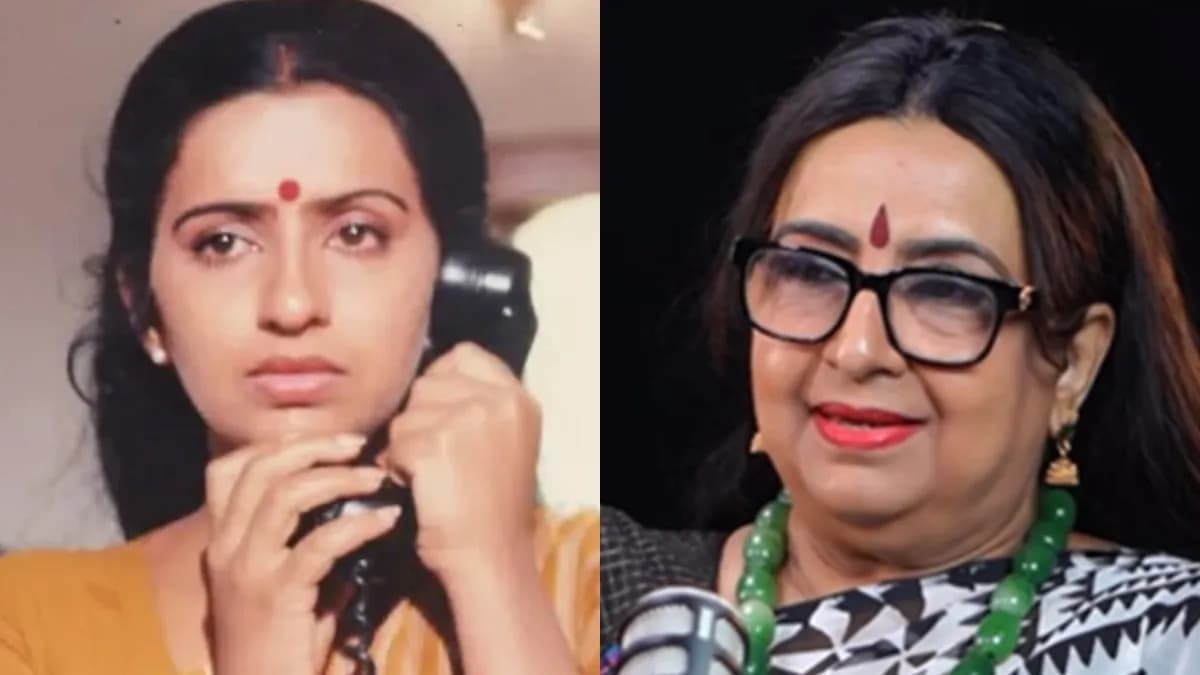
A Malayalam film personality has opened up about a deeply personal chapter of her life, revealing that she was asked to sign a document at the age of twenty - and that she now wishes she had questioned the request instead of simply complying. The remark, which has been circulating widely in film circles here, touches on themes of family authority, youthful obedience, and the cost of unquestioning trust. She made the comments in a recent media interaction, framing them as a reflection rather than an accusation, and the honesty of the admission has resonated with audiences who know her primarily as an on-screen presence.
The statement is unusual for a film industry figure in Kerala, where personal disclosures of this kind are often carefully managed. Here, the tone was one of retrospection rather than grievance. She described a household in which a mother's word carried decisive weight, and she acknowledged that she deferred to that authority without resistance.
A Reflection on Obedience and Its Price
The core of her account is simple. At twenty, she was told to put her signature on a paper. She did so. Looking back, she believes that moment deserved a question, not a signature. The distinction matters because it separates two very different things: respect for a parent and the surrender of one's own judgment. She appears to be describing the second, even while insisting she was acting out of love.
She also made a point of defending her mother's intentions. In her telling, whatever was asked of her was asked by someone who believed she was acting in her daughter's interest. The regret is not about malice received. It is about a habit of compliance that went unexamined for too long - a habit she now recognises as a form of self-erasure.
That framing gives the remark its wider reach. Many families in Kerala, as elsewhere in India, operate on an assumption that elders decide and younger members comply, particularly where women are concerned. Financial documents, contracts, and property papers are frequently signed on trust rather than scrutiny. The actor's comment lands squarely in that territory, and it has prompted discussion about how rarely young women are encouraged to read before they sign.
Why the Remark Caught Attention
It caught attention for two reasons. First, it came from someone whose public image is built on confidence and independence on screen. The contrast between that persona and the young woman she describes - signing whatever was placed before her - is stark and, for many listeners, relatable.
Second, it arrived at a moment when Malayalam cinema is producing more films centred on women's interior lives and on the friction between family expectation and individual choice. Audiences have shown appetite for these stories at the box office, and performers who speak candidly about their own experience add texture to that conversation. The remark is not a promotional line attached to a release. It reads as a genuine aside, which is likely why it travelled.
It is worth being precise about what she did and did not say. She did not name a document, a year, or a circumstance. She did not allege deception. She did not call for estrangement or blame. She said she should have asked a question, and that she did what her mother told her. That is the whole of it - and it is enough to carry weight.
For readers outside Kerala, the cultural specifics may need unpacking. In Malayali households, the mother is often the emotional and administrative centre, managing money, marriages, education, and disputes. Deference to her is not merely expected; it is woven into how families describe themselves as functioning well. To question her in public, even retrospectively, is a mild transgression. To do so while affirming her good intentions is a delicate balancing act, and that is the register the actor chose.
What It Says About the Industry Conversation
The Malayalam film world has become noticeably more willing to discuss the conditions under which young women enter the profession and adult life - contracts, early commitments, and the pressure to be agreeable. This remark sits alongside that trend without being a formal statement about it.
No film, release date, or project has been attached to the comments, and no further detail has been offered. It stands as a personal recollection, delivered plainly. Its value is in the pause it invites: when someone hands you a document and tells you to sign, the question you ask may matter more than the signature you give.
Source: Filmibeat Malayalam