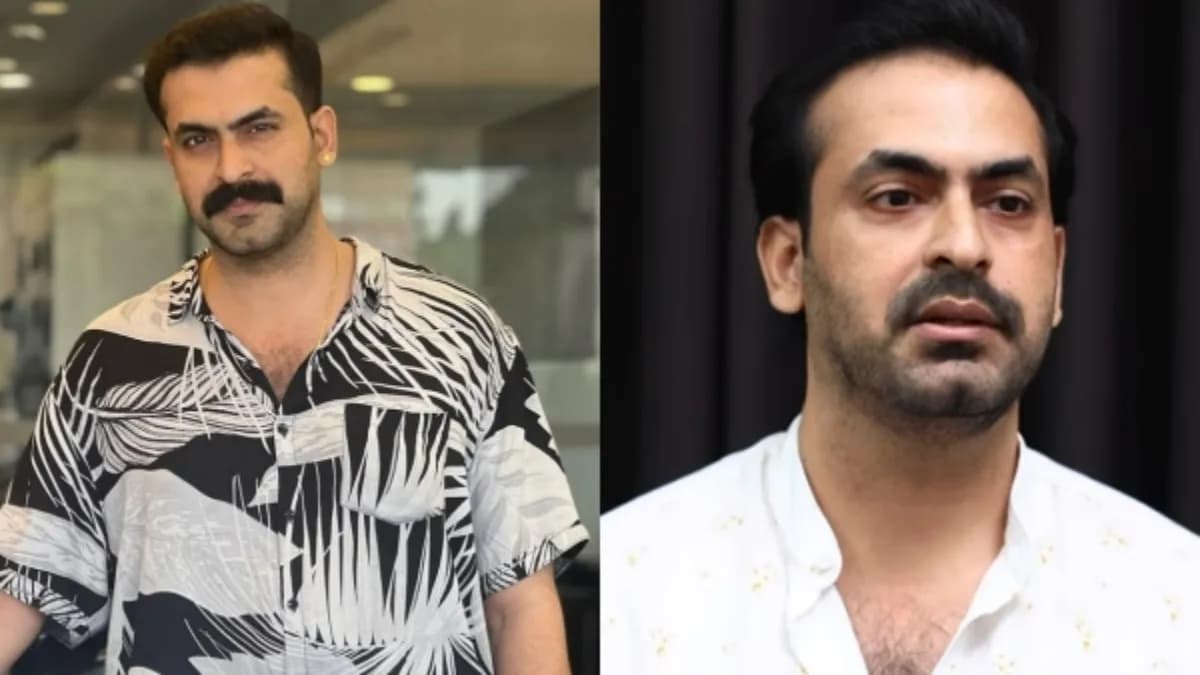
A woman who initially responded to a man's attention with smiles and a friendly exchange of money later filed a police complaint once he began touching her body without consent, and the sequence of events that unfolded at the police station afterward has become the focal point of a widely circulated account in Kerala's entertainment circles. The episode, which has drawn attention across social media and film-industry discussion groups, centres on the gap between how the woman's early conduct has been portrayed and what she actually did once the interaction crossed a line she had not agreed to.
According to the account, the encounter began with what appeared to be a light-hearted exchange. The man offered money, the woman accepted it, and both parties smiled. That opening moment has since been used by some commentators to suggest the woman was a willing participant in whatever followed. But the narrative turns sharply once physical contact enters the picture. When the man's behaviour shifted from conversation and gestures to touching her body, the woman did not treat it as a continuation of the earlier banter. She filed a case.
Why the Police Station Detail Matters
The controversy has intensified around what the woman is said to have done after reaching the station. Reports circulating online indicate that once she was in the presence of officers, she conducted herself in a manner that has become central to the debate - a detail that has been seized upon by both those defending her and those questioning her motives. The exact nature of her actions at the station has been described in varying ways across different retellings, which is part of why the story has spread so quickly and so unevenly.
What remains consistent across the versions is the legal fact: a complaint was registered after the physical contact occurred, not before. That timeline is significant because it undercuts the argument that the woman was seeking a case from the outset. Had she wanted to manufacture a complaint, the reasoning goes, she would not have waited until after accepting money and exchanging pleasantries. The case came only when the man's hands did.
The Money and the Smile as Evidence
Much of the online commentary has fixated on those first few seconds - the note, the grin - as though they settle the question of consent for everything that came afterward. Legally and logically, they do not. Accepting cash and smiling at a stranger establishes nothing beyond that particular moment. Consent to one act, or to a conversation, is not consent to being touched. The woman's decision to escalate only after physical contact began suggests she was drawing precisely that distinction herself, in real time.
This is not a novel legal principle, but it is one that frequently gets lost when a story is reduced to a handful of viral details. The note and the smile make for a memorable opening image. The complaint makes for a less shareable one. The result is that the early, ambiguous moment gets magnified while the actual triggering event - unwanted touching - gets pushed to the background.
What the Case Signals About Public Assumptions
The reaction to the episode reveals a familiar pattern in how such incidents are discussed. A woman's early friendliness is treated as a contract she cannot later revoke. Her decision to involve the police is framed as a betrayal of the mood she helped create rather than a response to behaviour she had not invited. The man's conduct, meanwhile, is often described in passive terms - things "started to happen" rather than choices he made.
The woman's actions at the station, whatever their precise form, appear to have been her attempt to assert control over a situation that had already moved past what she agreed to. Whether that attempt is viewed sympathetically or suspiciously tends to depend less on the facts of the case than on pre-existing beliefs about how complainants are supposed to behave.
For now, the matter rests where it was filed - as a case triggered by physical contact, preceded by a payment and a smile that many have chosen to read as the whole story rather than the opening chapter. The discussion around it continues, but the sequence itself is not in serious dispute: the money came first, the touch came second, and the complaint came third.
Source: Filmibeat Malayalam