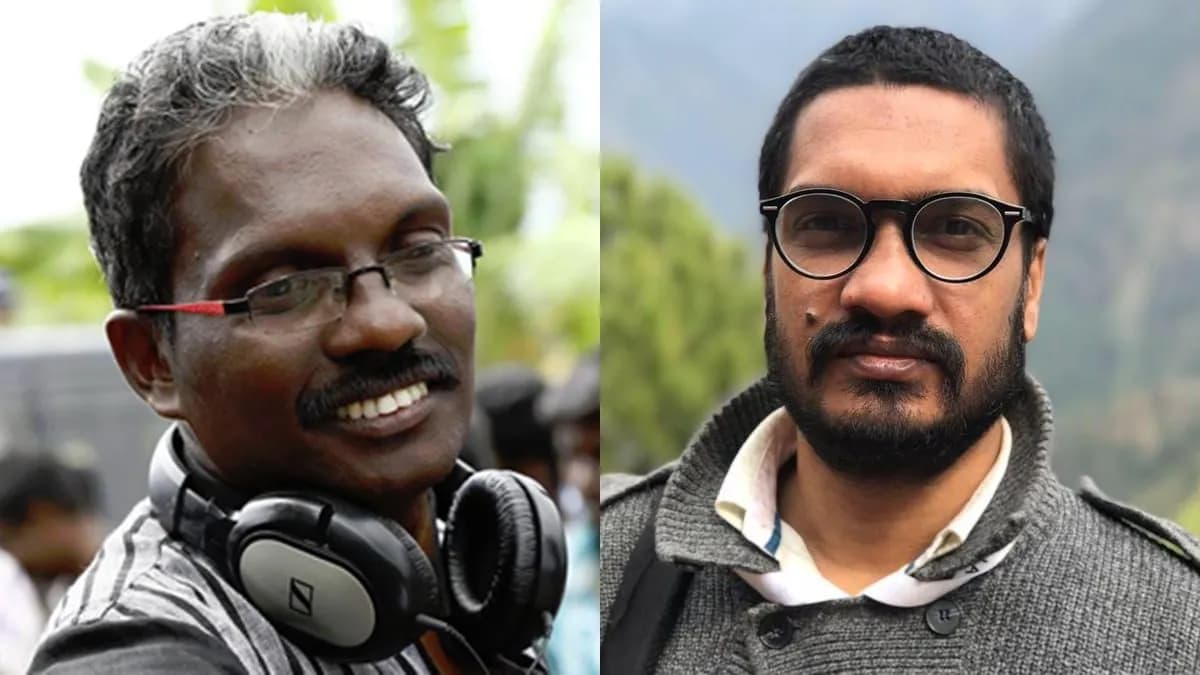
Dr. Biju, the National Award-winning Malayalam filmmaker known for his uncompromisingly political cinema, has publicly expressed regret over allowing his name to be associated with a woman he says is now being humiliated in the public sphere despite her integrity. In a statement that has circulated widely across Malayalam film circles, the director said he rues having agreed to lend his name to the person at the centre of the controversy, describing her as a woman of probity who is being pilloried before the public.
The statement, whose title translates to "An upright woman is being insulted in public; I regret agreeing to put my name forward: Dr. Biju," marks a rare instance of a filmmaker directly addressing a personal and reputational dispute rather than the themes of his films. The director did not hold back in his phrasing, framing the situation as one in which a woman of demonstrated character has been turned into a target of public shaming.
A Director Known for Political Cinema
Dr. Biju, who trained as a teacher before turning to filmmaking, has spent more than three decades in Malayalam cinema. He first drew wide attention with "Saira," his 2005 feature shot largely in Afghanistan, and followed it with a string of socially charged works including "Veettilekkulla Vazhi," "Akashathinte Niram," "Perariyathavar" and "Kaadu Pookkunna Neram." His films have consistently examined displacement, tribal rights, state repression and the lives of those pushed to the margins, earning him a reputation as one of the Malayalam industry's most outspoken political voices.
That background gives his statement added weight. A filmmaker who has built his career on speaking for the voiceless is now speaking on behalf of one specific person, and doing so with a tone of personal accountability rather than distant commentary.
Regret Over Lending His Name
The crux of the director's statement is his admission that he consented to have his name attached to the woman at the centre of the matter, and that he now views that decision with remorse. His regret, as he frames it, is not about the woman herself but about the circumstances his endorsement helped set in motion. By allowing his identity to be linked to hers, he appears to suggest, he inadvertently contributed to a chain of events that has culminated in her public humiliation.
The statement does not spell out the mechanics of the dispute in granular detail, and no verified figures, dates or formal allegations accompany it. What is clear is the director's characterization of the woman: upright, dignified, and undeserving of the treatment she is receiving. The word he chooses carries a moral charge, positioning her as someone whose conduct has been consistent and principled, in contrast to the public campaign he says is being waged against her.
A Familiar Pattern in the Public Sphere
Dr. Biju's intervention lands in a broader conversation about how women in Kerala's public and cultural life are treated when disputes turn personal. Women who speak up, hold positions of authority, or become entangled in controversies frequently find themselves subjected to scrutiny that has little to do with the substance of the matter at hand. The director's statement implicitly invokes that pattern, framing the current episode as one more instance of an upright woman being dismantled in the court of public opinion.
For a filmmaker whose work has repeatedly dramatized the gap between institutional rhetoric and lived injustice, the statement reads as an extension of his on-screen concerns into his own life. It also places him in an awkward position: admitting that his judgment failed him at an earlier stage, even as he now tries to correct course by speaking plainly about what he sees happening.
What Follows
As of now, the director's statement stands on its own, without further elaboration from him or any formal response from those he implicitly criticizes. Malayalam film observers are watching to see whether others in the industry will echo his remarks, and whether the woman at the centre of the controversy will respond publicly. Dr. Biju, for his part, has made his position unambiguous: he considers the treatment of this woman a public insult, and he considers his own earlier willingness to be named alongside her a mistake he now regrets. Whether that admission changes anything for her remains an open question - but it has at least put a prominent voice in Malayalam cinema on record against what he describes as a public shaming campaign.
Source: Filmibeat Malayalam