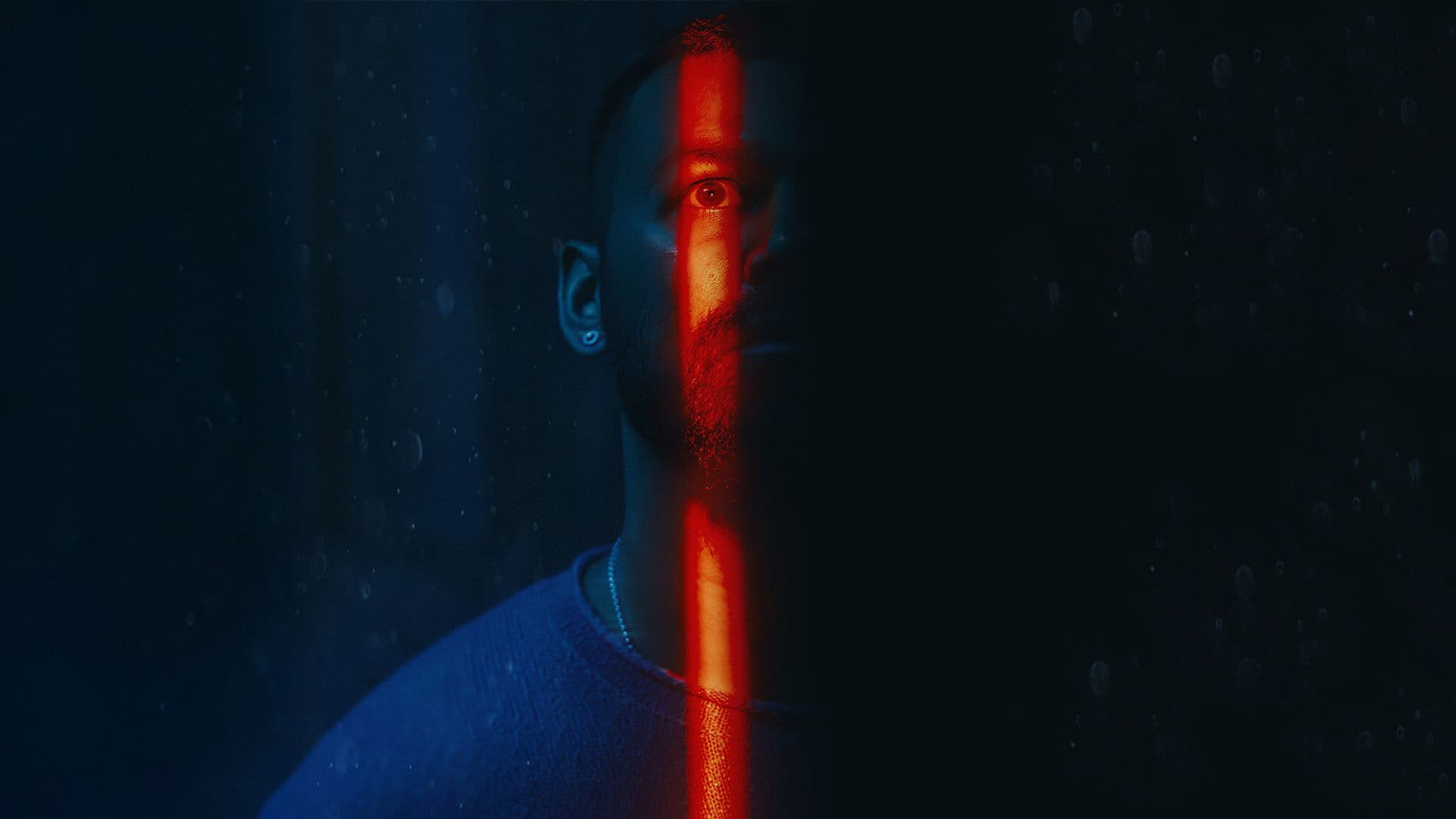
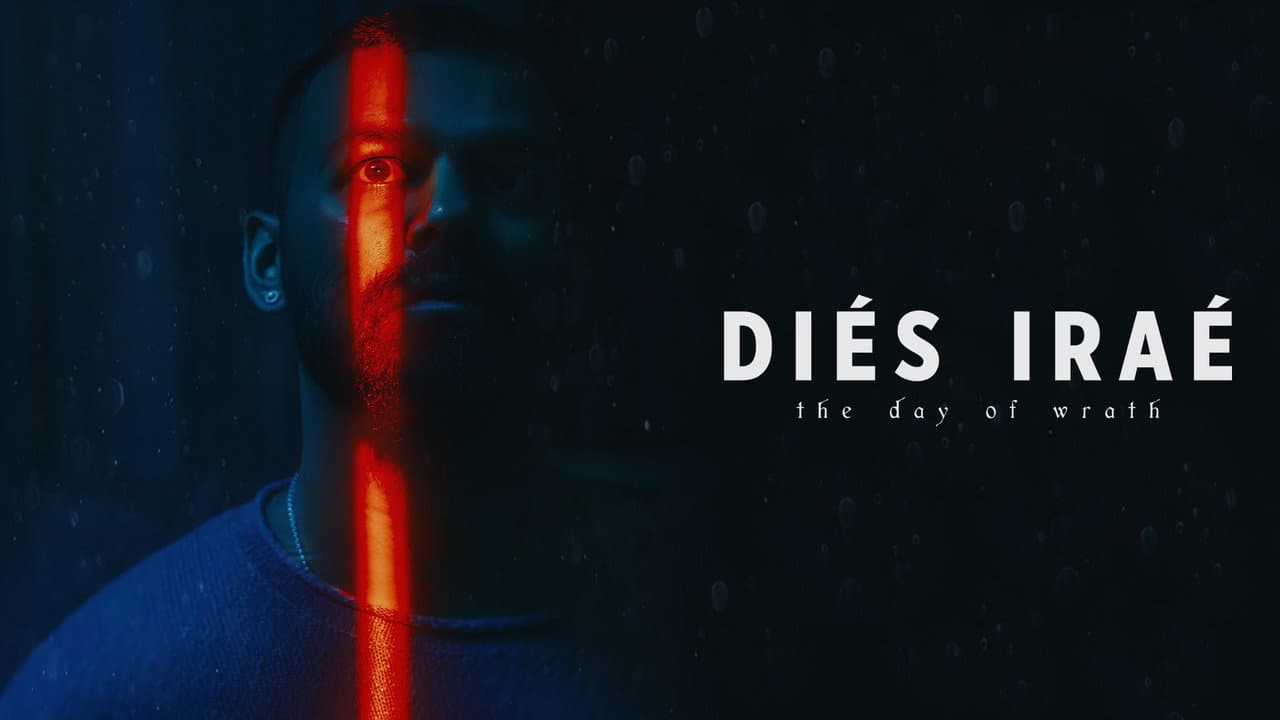
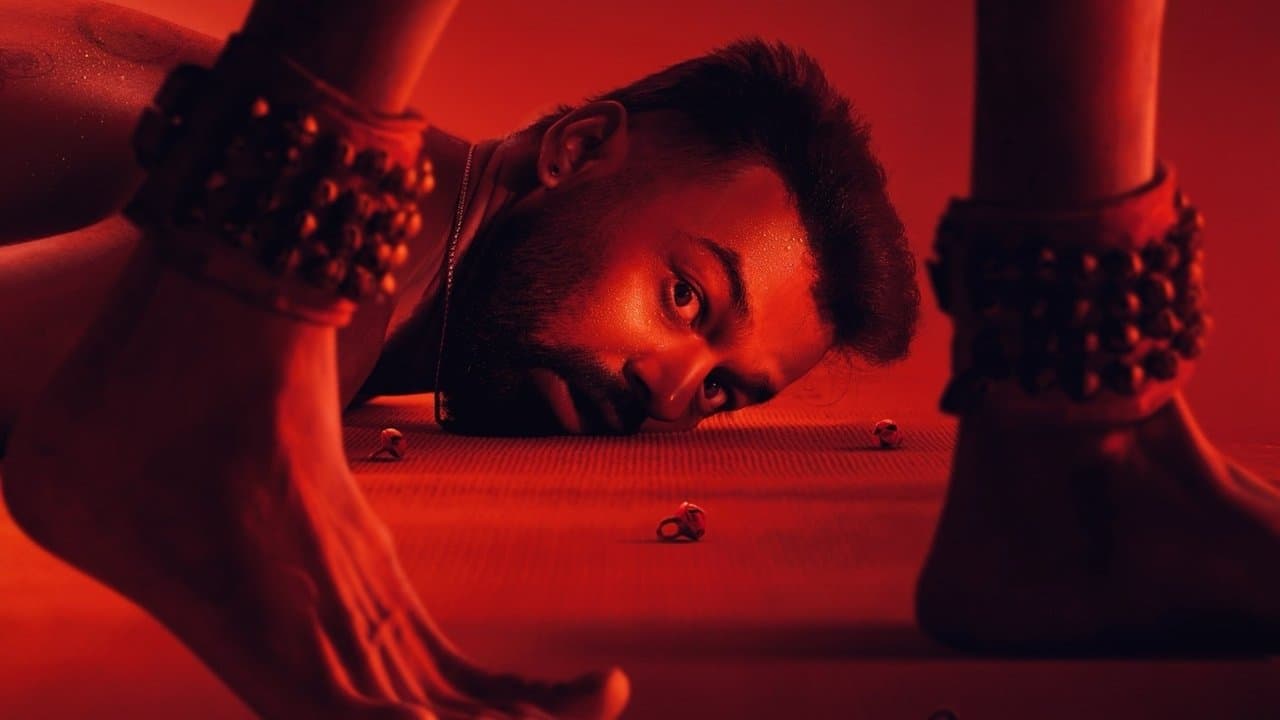
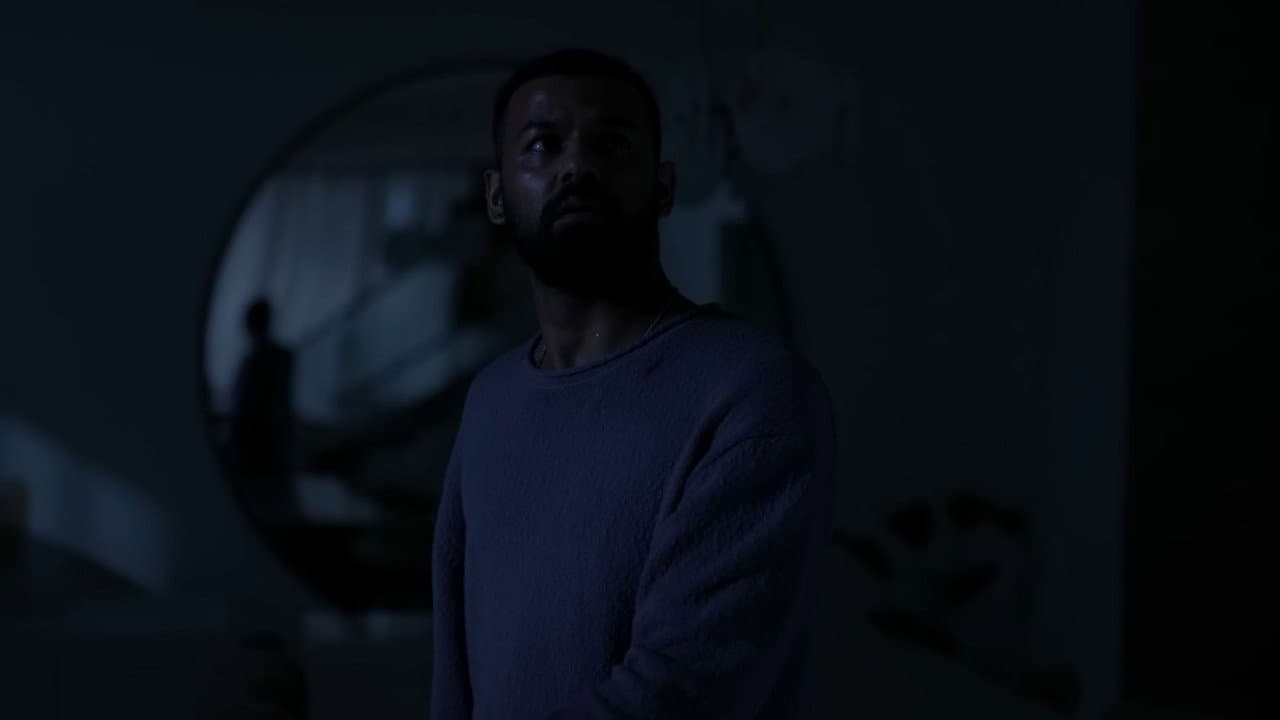
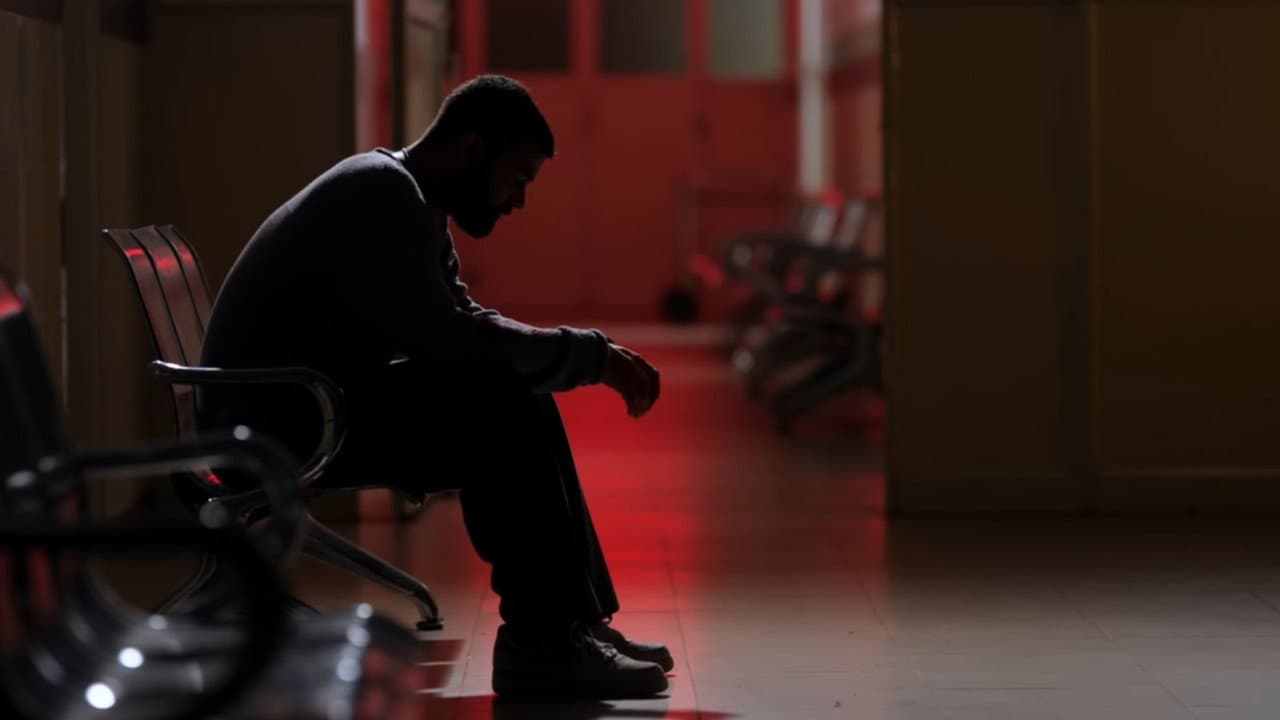
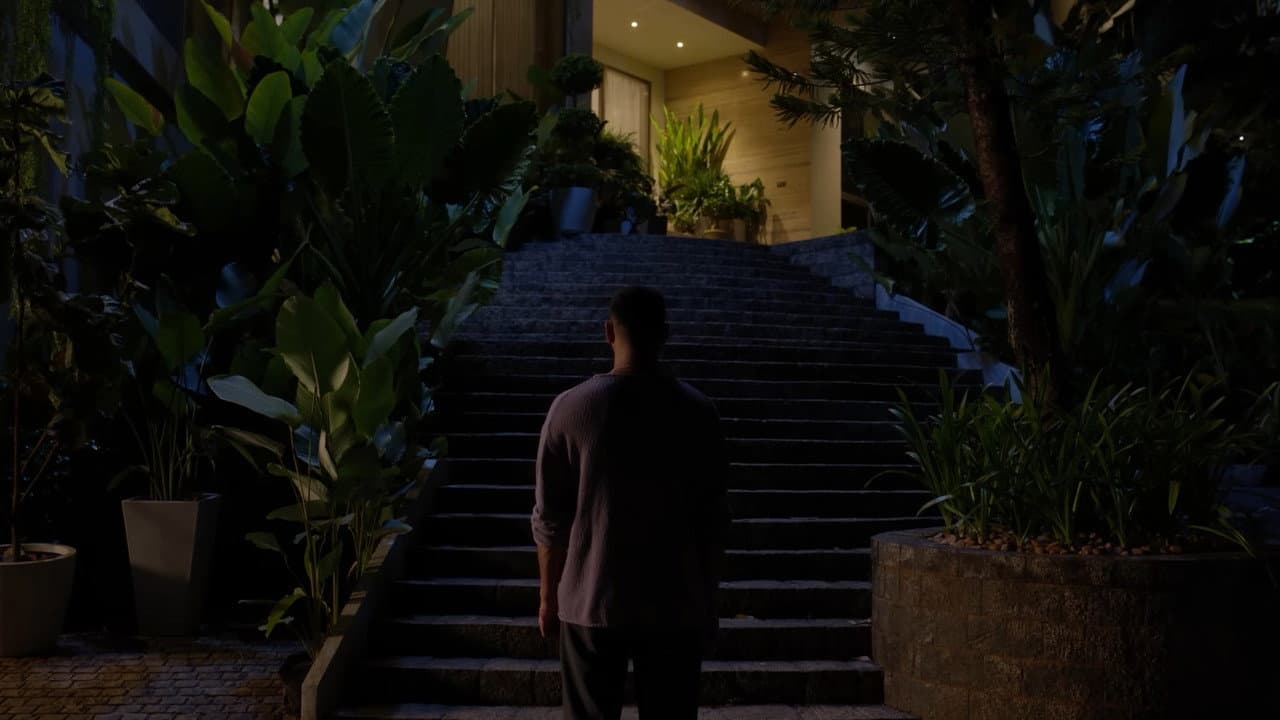
Let’s get the obvious praise out of the way: Rahul Sadasivan is a director who understands composition. “Diés Iraé” is shot with a painterly elegance that elevates even its most conventional moments. The camera lingers in the corners of rooms, teasing the dark spaces between furniture, and the sound design deserves special mention - every creak, every distant footstep, is dialled in with surgical precision. This is a film that trusts its audience to be unsettled by implication rather than excess.
Pranav Mohanlal anchors the film with a performance that feels lived-in and raw. His Rohan is not a hero in the traditional sense; he is a man whose privilege has insulated him from consequence, and the film’s horror forces him to reckon with that. There is a particularly effective sequence - no spoilers - where Rohan, alone in his study, stares at a reflection that does not mirror his own movements. It is a simple trick, executed with quiet terror, and Mohanlal sells the moment without a single line of dialogue.
Gibin Gopinath’s Madhusudhanan Potti is a welcome counterweight - pragmatic, weary, and carrying a sadness that feels ancient. The chemistry between him and Mohanlal is tentative but believable; you buy these two men, strangers from different worlds, forced into alliance. Swathi Das Prabhu as Vinoy brings a sharp, modern energy, though her character feels somewhat underutilized in the film’s second half. Manohari Joy, in a smaller role, delivers a moment of grief so raw that it almost derails the film’s momentum - in the best way.
The screenplay, however, has a problem with escalation. For the first hour, “Diés Iraé” is taut and patient. But as Rohan delves deeper into the mystery, the narrative begins to over-explain. The entity is given a backstory, a motive, a name - and in doing so, it loses some of its terrifying ambiguity. The film trades the dread of the unknown for the comfort of a solved puzzle, and not all viewers will appreciate the trade-off. The climax, though visually ambitious, becomes a bit of a muddle: too many rules, too many characters, too many revelations that feel like they belong in a longer series rather than a single film.
The TMDb rating of 6.429 feels about right. It is a film that earns respect but not quite devotion.