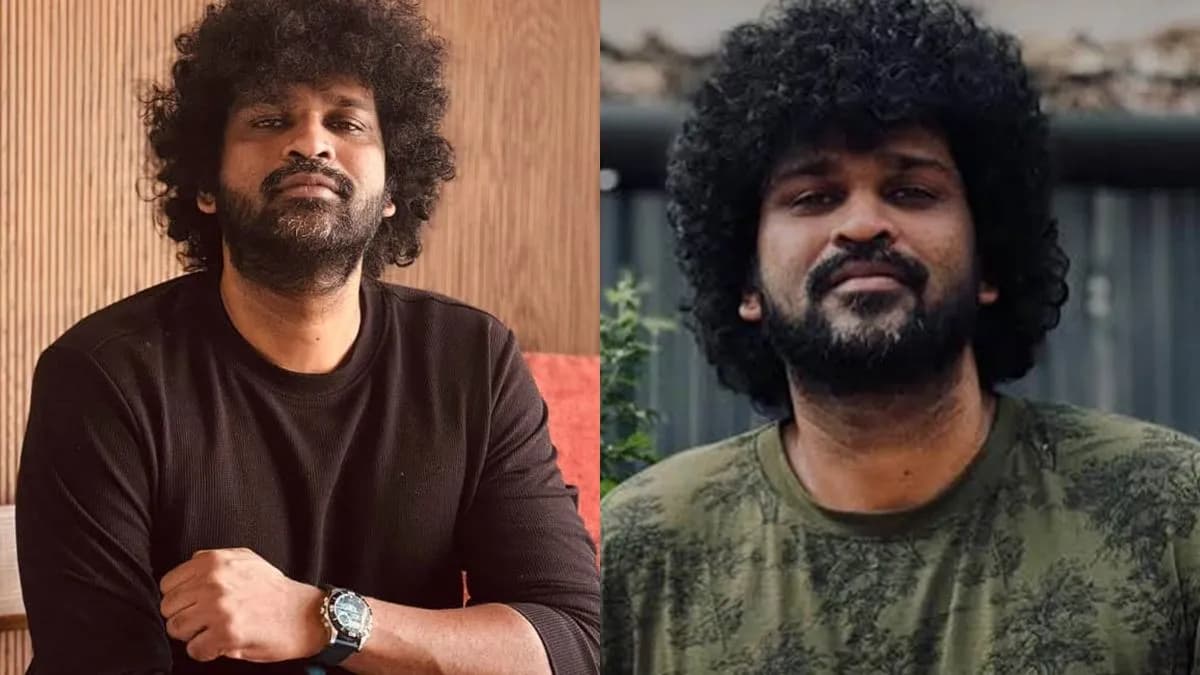
Malayalam actor Ashwanth Kok has opened up about the strange social cost of playing a government school teacher on screen, revealing that his portrayal of the character has turned some of his real-life neighbours against him. Speaking about the role, the actor said the hostility he now encounters in his own locality caught him off guard, and he traced much of the tension to the way small, everyday matters can spiral once a performer becomes identified with a part.
In his remarks, Kok explained that the people around him have begun treating him as an adversary, a reaction he tied directly to the intensity of the character he plays. "I have become an enemy to the people of my place," he said, describing how the line between the screen and the street has blurred for those who know him personally. He added that the friction tends to flare up over trivial things rather than anything serious, suggesting that the smallest misunderstandings carry the greatest weight once public perception takes hold.
The actor's comments offer a window into a familiar Malayalam cinema phenomenon: when a performer commits fully to a part rooted in a recognisable social setting, audiences often carry the fiction home with them. A government school teacher is a figure most viewers in Kerala know intimately, whether from their own schooling or from the lives of relatives and friends. That familiarity can make a fictional portrayal feel like a comment on real individuals, and it can leave the actor who embodies the role navigating reactions from people who never separated performance from personality.
The Weight of a Familiar Role
What makes Kok's situation notable is not any single episode of conflict but the pattern he describes. Tension arriving through "small things" points to a quieter, more persistent kind of pressure than outright confrontation. It is the accumulated unease of being watched, judged and occasionally resented by the very community an actor lives in. For performers who stay rooted in their hometowns rather than retreating to the anonymity of a metro, that proximity can cut both ways, feeding authenticity into their work while extracting a personal toll.
The actor did not frame his experience as a grievance against any individual. Instead, his account reads as an observation about how thoroughly a role can attach itself to a performer's public identity, particularly when the character belongs to an institution as embedded in daily life as the government school system. Teachers occupy a uniquely charged place in Kerala's social imagination, and a character drawn from that world invites strong, sometimes personal, responses.
Why This Resonates Beyond One Actor
Kok's remarks arrive at a moment when Malayalam cinema continues to gravitate toward stories set in schools, villages and small towns, where the stakes are local and the characters feel like neighbours. That creative direction has produced performances that audiences embrace as mirrors. The flip side, as Kok describes it, is that the mirror can be turned back on the actor by the people standing closest.
For now, the actor appears to be taking the friction in stride, speaking about it openly rather than letting it simmer. His willingness to name the hostility suggests he sees it as part of the bargain of playing someone so recognisable, even if the bargain occasionally feels unfair when the disputes are minor.
No verified production details, release information, box-office figures or ratings accompany this statement, and Kok did not attach his comments to any specific upcoming project in the material available. What remains is the actor's own account of a role that has followed him off set, and a reminder that in an industry built on intimate, regionally grounded storytelling, the distance between a character and a community can shrink to almost nothing. For Kok, that closeness has meant gaining a part and, by his own telling, losing a little goodwill among the people he lives among, all over matters far smaller than the reaction they provoked.
Source: Filmibeat Malayalam